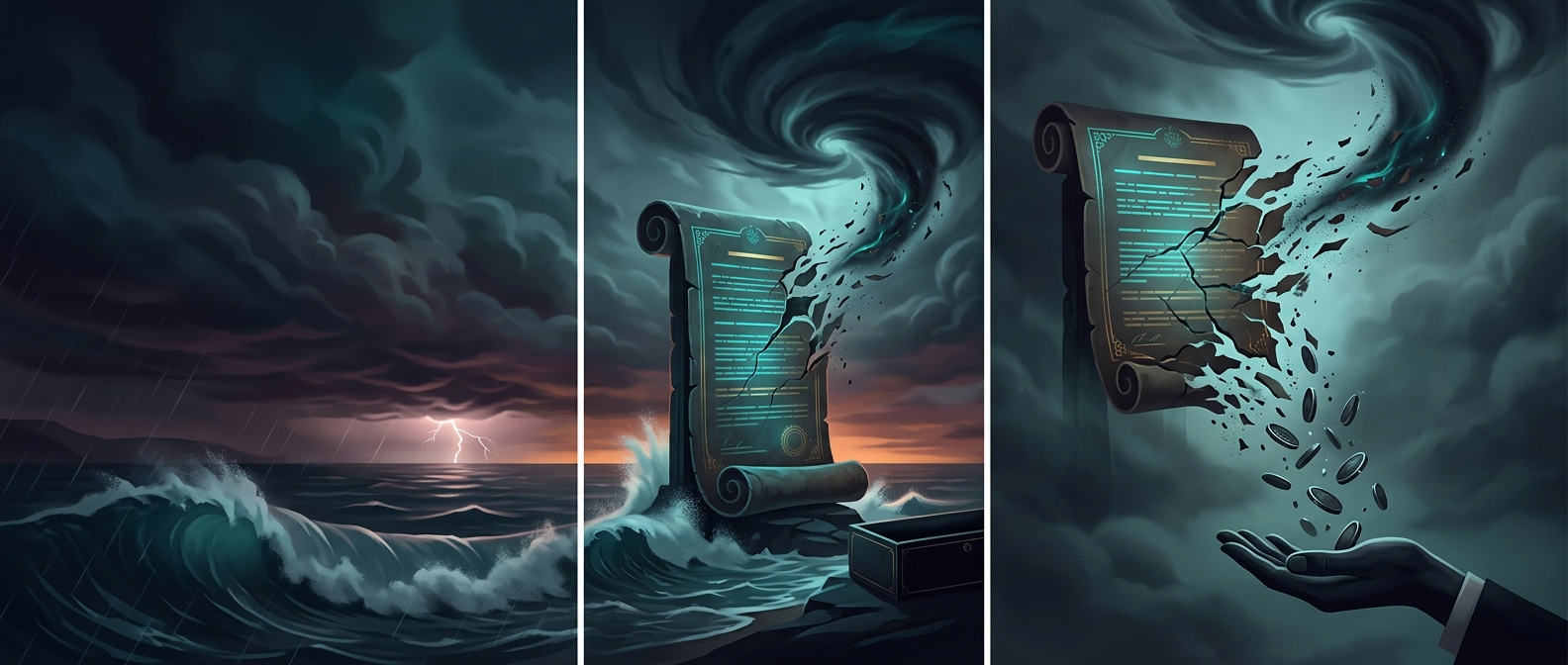
A disaster clause turns a debt bill into a scheduled pause
When a hurricane or other qualifying disaster hits, a government can face two urgent demands at once: pay for emergency response and keep making scheduled debt payments. A catastrophe clause changes the timing of one of those demands. It is written into a loan agreement in advance, so the borrower does not have to negotiate from scratch while dealing with the aftermath.
The clause applies only to the loans that contain it, and only when its stated trigger is met. That trigger may define what counts as a qualifying disaster and how the event must be confirmed. If the conditions are satisfied, Barbados can defer eligible payments for the period and under the terms set out in the agreement.
The payments are delayed, not erased
A pause gives the government cash-flow relief: money that would have gone to creditors can instead help meet immediate public needs and keep essential services operating. But the debt does not simply disappear. The contract determines what happens to deferred amounts, including when repayment resumes and whether interest continues to accrue.
That distinction matters. A payment pause can ease pressure during a crisis, but it does not by itself make a government’s debts affordable over the long term. It is a bridge through an acute emergency, not a grant or a replacement for disaster funding.
Why write the terms before the storm?
Agreeing on the rules beforehand can make relief faster and more predictable for both sides. Barbados gets room to respond without first asking each lender for permission; creditors get a defined trigger and repayment framework rather than an improvised arrangement. The tradeoff is that the protection exists only where the contract includes it—and its value depends on the event meeting the agreed conditions.
The practical point is simple: after a disaster, the clause can move a bill out of the immediate recovery period, when public money is most urgently needed.