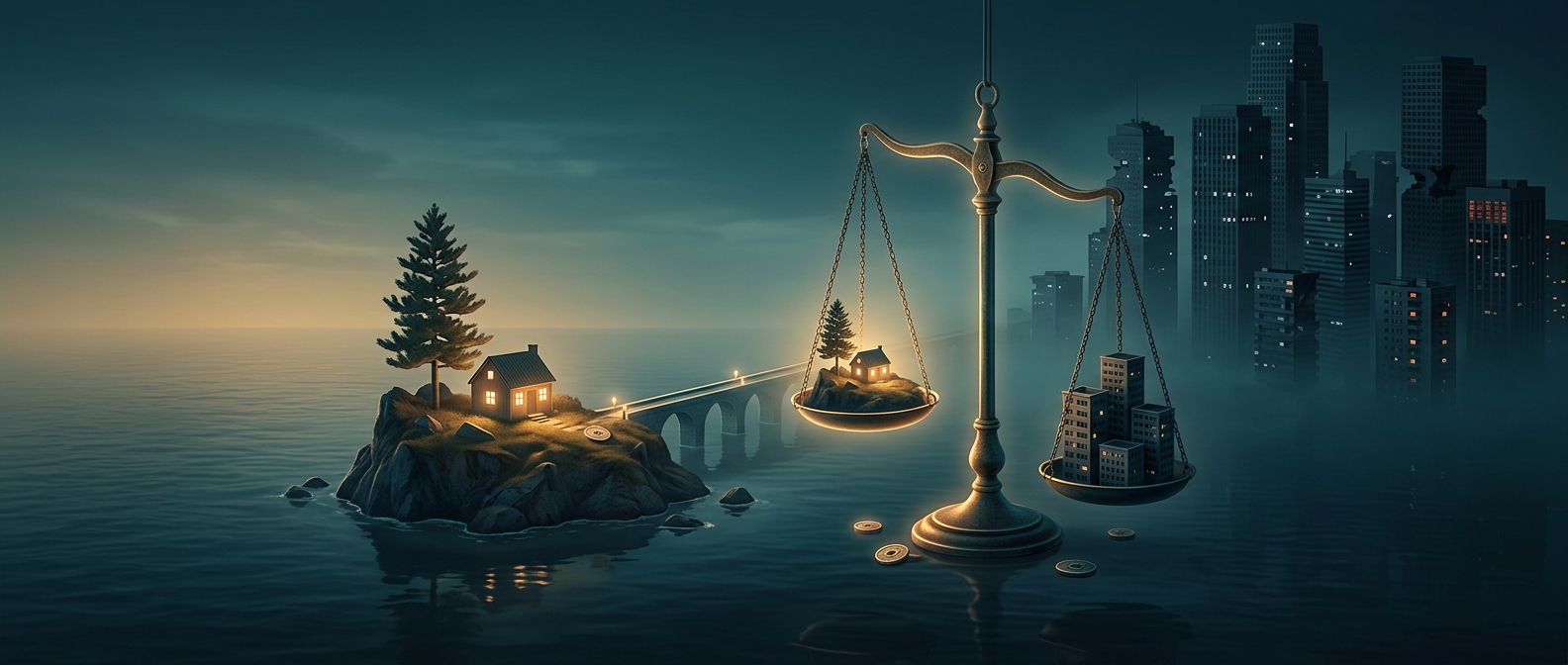
Why an Island Can Cost Less Than an Apartment
A private island’s asking price can describe land without the services that make land easy to use. A city apartment usually comes with access to roads, electricity, water, waste systems, and nearby shops and services. A bare island may offer none of those. Its price is therefore not a direct comparison with a finished home; it is closer to the price of a remote building site whose practical value depends on what can be done with it.
The Hidden Cost of Making It Usable
Getting people and supplies to an island can require a boat, a dock, or both. Electricity may need to come from generators or other independent systems. Fresh water and wastewater disposal may also need their own solutions. Each adds expense, and some improvements may depend on permits or local environmental limits. A buyer can pay relatively little for the land and still face a substantial bill before it functions as a comfortable place to stay.
Those costs also shape what the land is worth to the next buyer. If few people can afford the transport, maintenance, and construction, the pool of potential purchasers is smaller than for a home in a city. That can make an island harder to resell, even if its setting is striking.
The Price Is Only the Starting Point
The bargain works best for someone who values privacy and has the money, time, and appetite to manage isolation. For anyone expecting a ready-to-use retreat, the costs of access and basic infrastructure can erase the apparent savings. The key question is not just what the island costs, but what it will take to make life on it possible.