How Dharavi’s land becomes valuable to developers
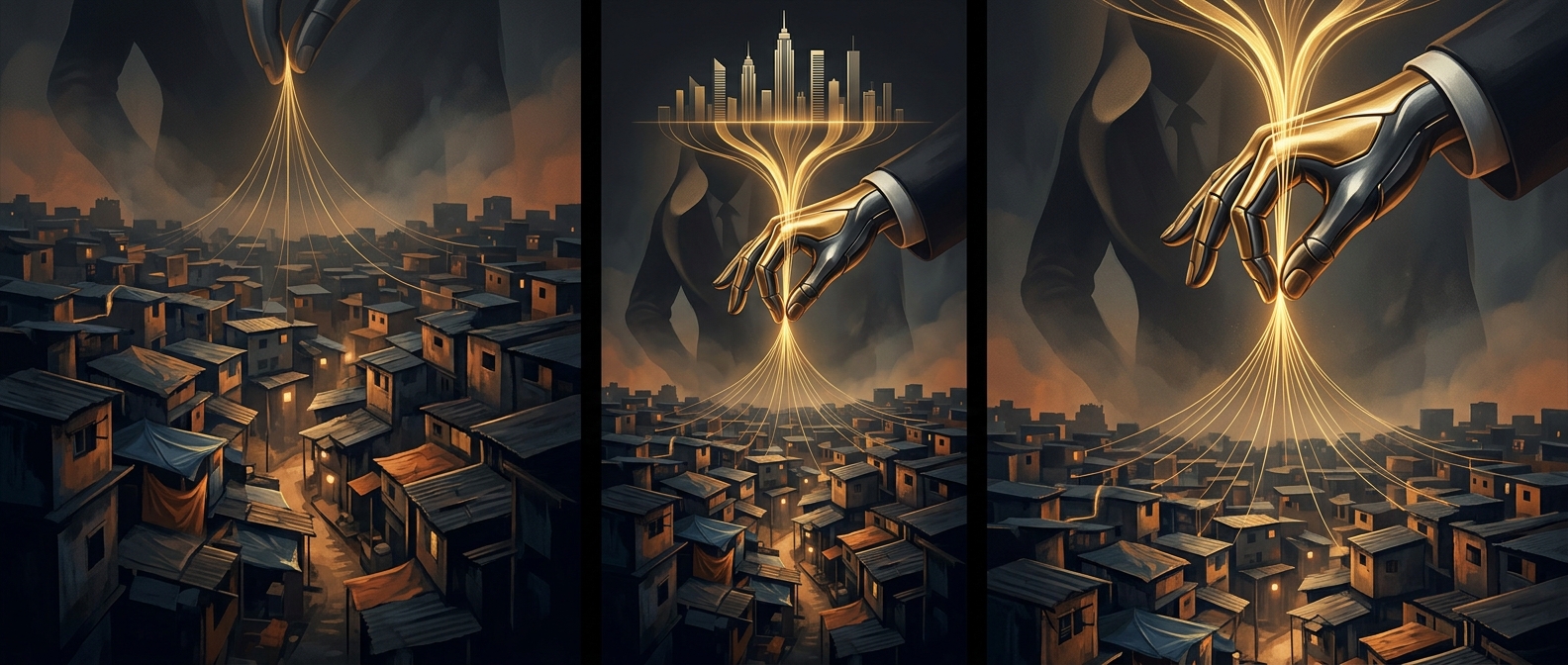
Dharavi’s value is not simply the price of the homes standing there. It comes from the possibility of building much more on a centrally located, densely occupied part of Mumbai. If residents are rehoused in taller buildings, the same site can potentially hold additional commercial space—offices, shops, or other uses that can generate revenue.
That potential is what redevelopment proposals seek to convert into a business deal. A developer may provide replacement apartments to eligible residents and, in return, receive rights to build and sell or lease space elsewhere on the site. Those commercial rights can be worth far more than the cost of the housing offered, which is why the land attracts large-scale investment.
A community is more than its apartments
Dharavi is also a place of work. Small workshops and businesses operate alongside homes, often relying on nearby suppliers, customers, and workers. Moving households into high-rises can change those routines: a flat may replace a dwelling, but it does not automatically provide space for a workshop, easy loading access, or the same street-level customer traffic.
That creates a practical tension in redevelopment. The scheme has to make enough commercial value to pay for construction, while deciding who qualifies for new housing and how residents’ work and community ties will fit into the rebuilt area. The land’s headline value therefore does not mean residents already possess that wealth in cash. Much of the value is a future possibility created by new building rights—and the terms of the deal determine how much of that possibility reaches the people who made Dharavi a functioning neighborhood.