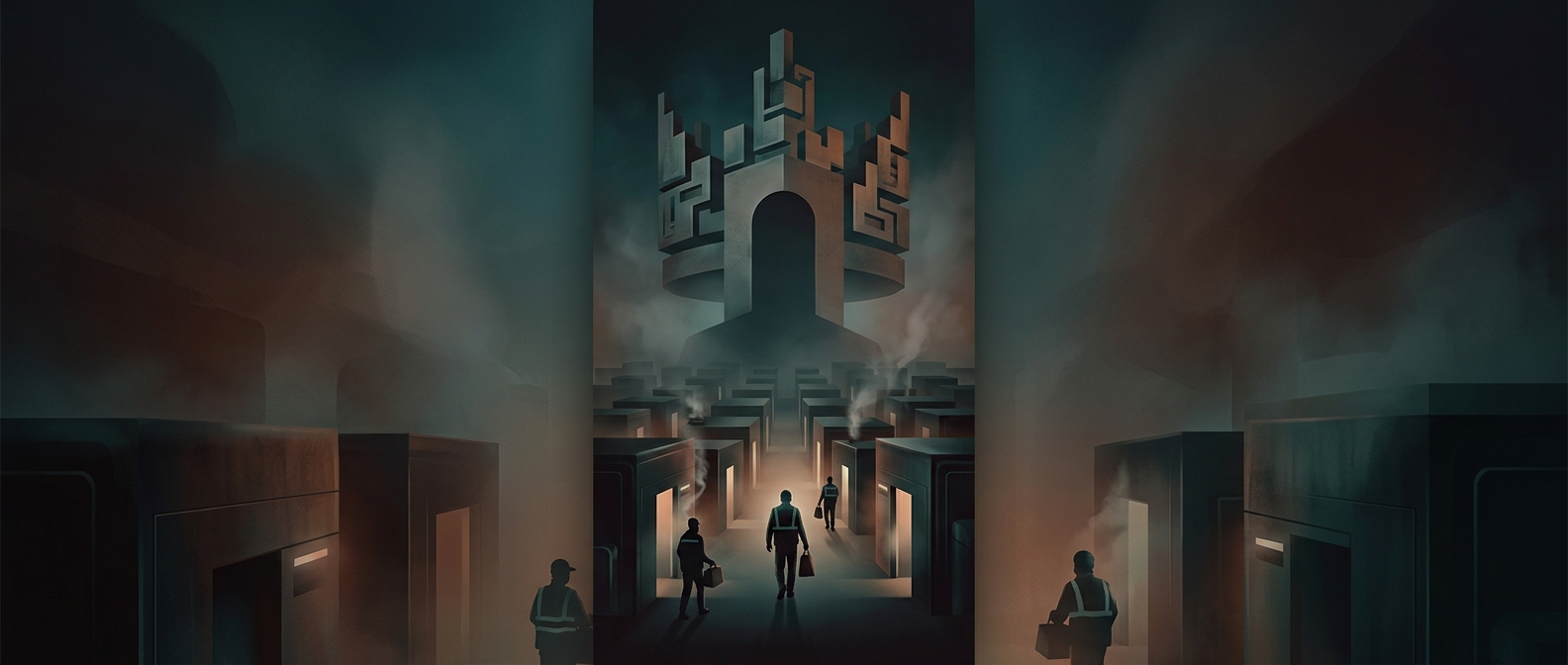
A restaurant built around the order, not the diner
A conventional restaurant pays for space that helps attract and serve people in person: a visible storefront, tables, a dining room, and the staff needed to look after it. A delivery-only kitchen strips away that part of the business. Its valuable space is the cooking line, storage, and a place for couriers to collect orders—not a room customers want to sit in.
That changes which properties make sense. A cheap industrial unit may be poorly placed for walk-in traffic but workable for cooking and delivery. Converting it still requires suitable utilities, equipment, food-safety arrangements, and access for deliveries; the savings come from not building and operating a dining room, not from having no costs.
Many brands, one back-of-house
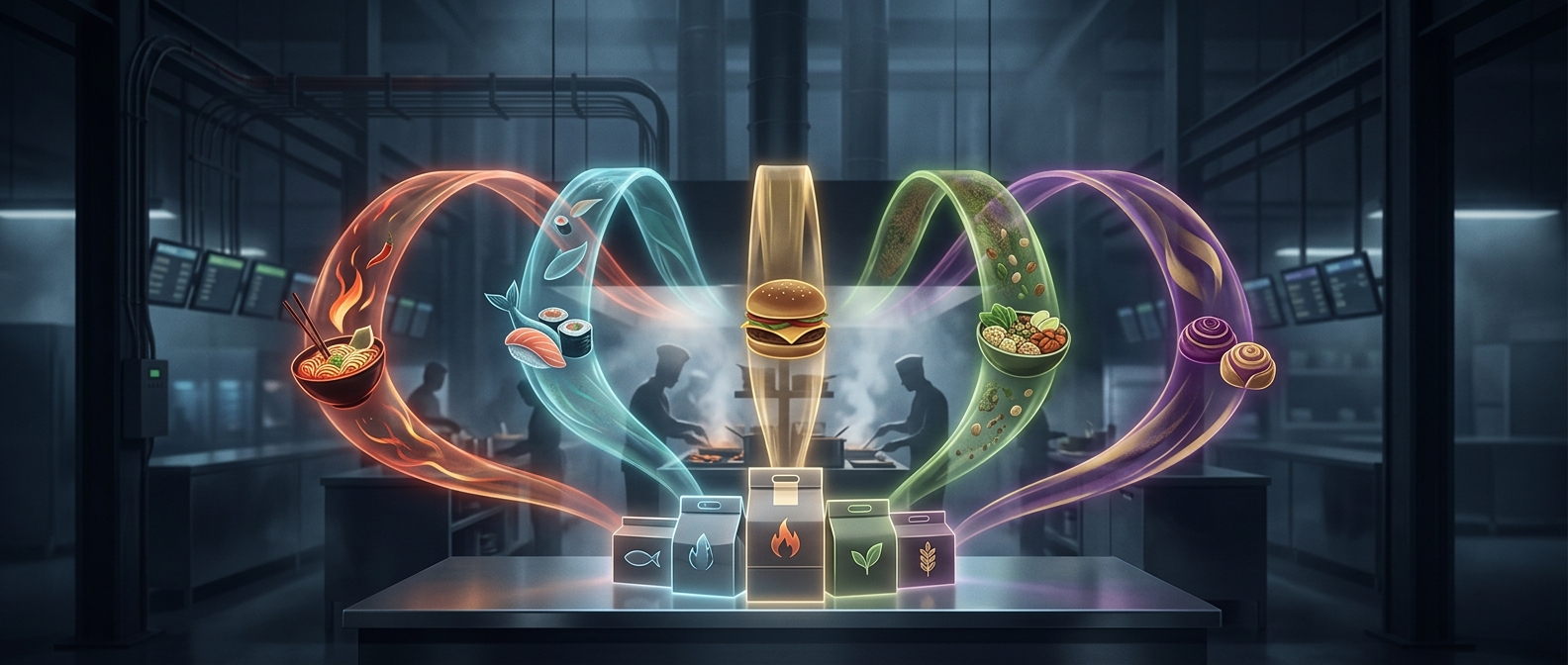
The model can put several food brands under one roof. Customers encounter them as separate choices on delivery apps, while the businesses can use the same kitchen space and, where their menus allow, share equipment, ingredients, or workers. That can make a costly kitchen more productive: it may prepare different kinds of orders without maintaining a separate storefront for each brand.
The tradeoff is that the brands depend on the same physical operation. A rush of orders, a staffing problem, or a kitchen bottleneck can affect several menus at once. And without a dining room or street presence, the business relies heavily on delivery platforms to reach customers and on couriers to complete the experience.
The storefront moves to the screen
For operators, the attraction is a lower-cost way to test or run restaurant concepts in places that would not support conventional dining. For customers, the restaurant appears to be a name and menu in an app; its kitchen may be in an industrial property they would never visit. The business saves space by giving up the storefront—and makes the delivery listing its public face.