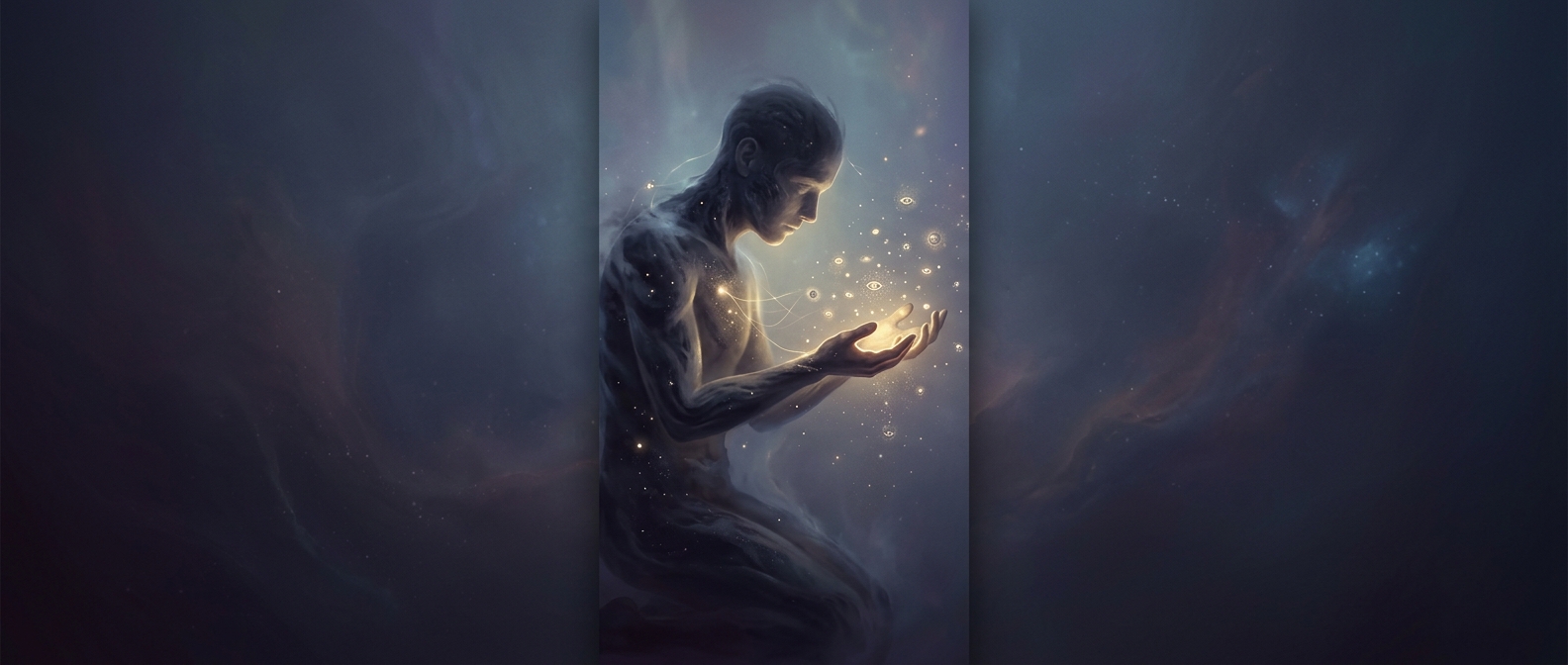
What panpsychism means by “awareness”
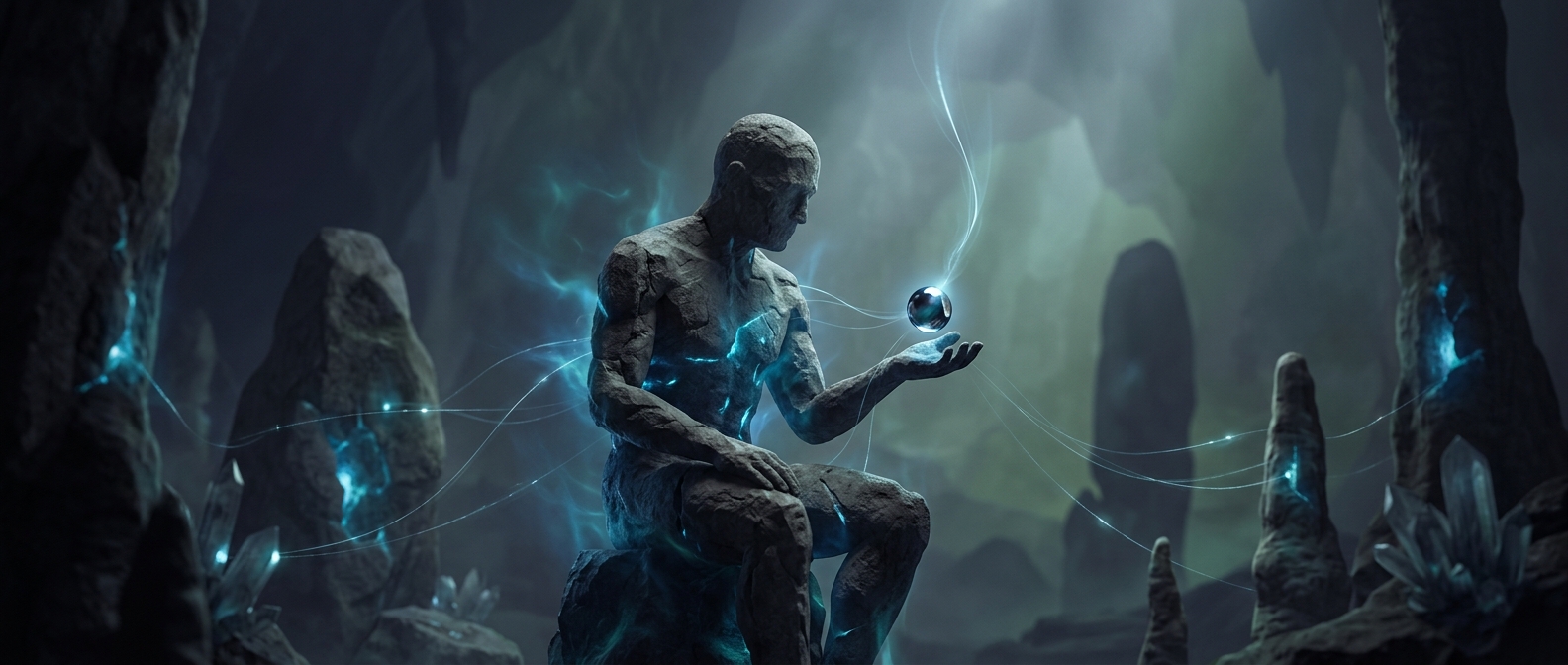
Panpsychism is a philosophical proposal about consciousness, not a claim that ordinary objects think or feel as people do. It suggests that some very basic form of experience is a fundamental feature of matter, rather than something that appears only when matter is arranged into a brain. On this view, a particle would not have thoughts, memories, or a point of view like a human being; its proposed experience would be unimaginably simple.
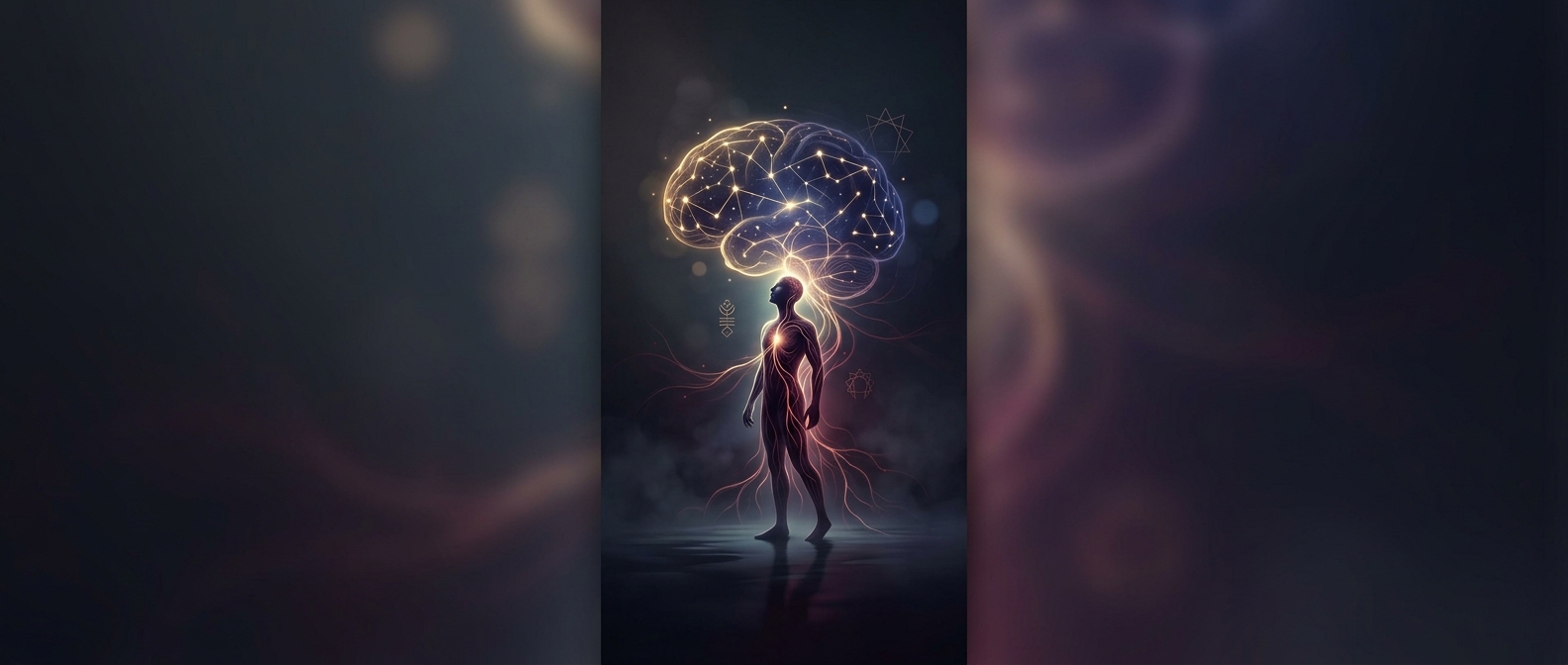
The idea shifts the puzzle of consciousness. Neuroscience can describe how brains process signals and guide behavior, but some philosophers argue that those descriptions do not explain why brain activity is accompanied by an inner experience—what seeing red or feeling pain is like. Panpsychism treats that inner aspect as part of the basic furniture of reality, not a late addition produced from wholly non-experiential ingredients.
The hard question: how do small experiences combine?
If basic parts of matter have rudimentary experience, a person’s unified consciousness must somehow arise from them. But adding many tiny experiences together does not obviously explain why there is one coherent point of view—one person seeing a scene rather than a crowd of disconnected microscopic perspectives. This is known as the combination problem, and it is one of the main challenges for panpsychism.
The proposal therefore does not simply say that a chair has a faint version of a human mind. A chair is made of matter organized in a particular way, and panpsychists disagree about whether that organization could yield any unified experience at all. The chair’s supposed awareness, if the theory is right, would be nothing like noticing someone sit down.
Panpsychism remains a debated metaphysical theory, not an experimentally established finding. Its appeal is that it avoids explaining how experience could emerge from matter assumed to be entirely without experience; its cost is explaining how basic experience could become the unified consciousness we recognize in ourselves.