How Real Events Become a TV Story
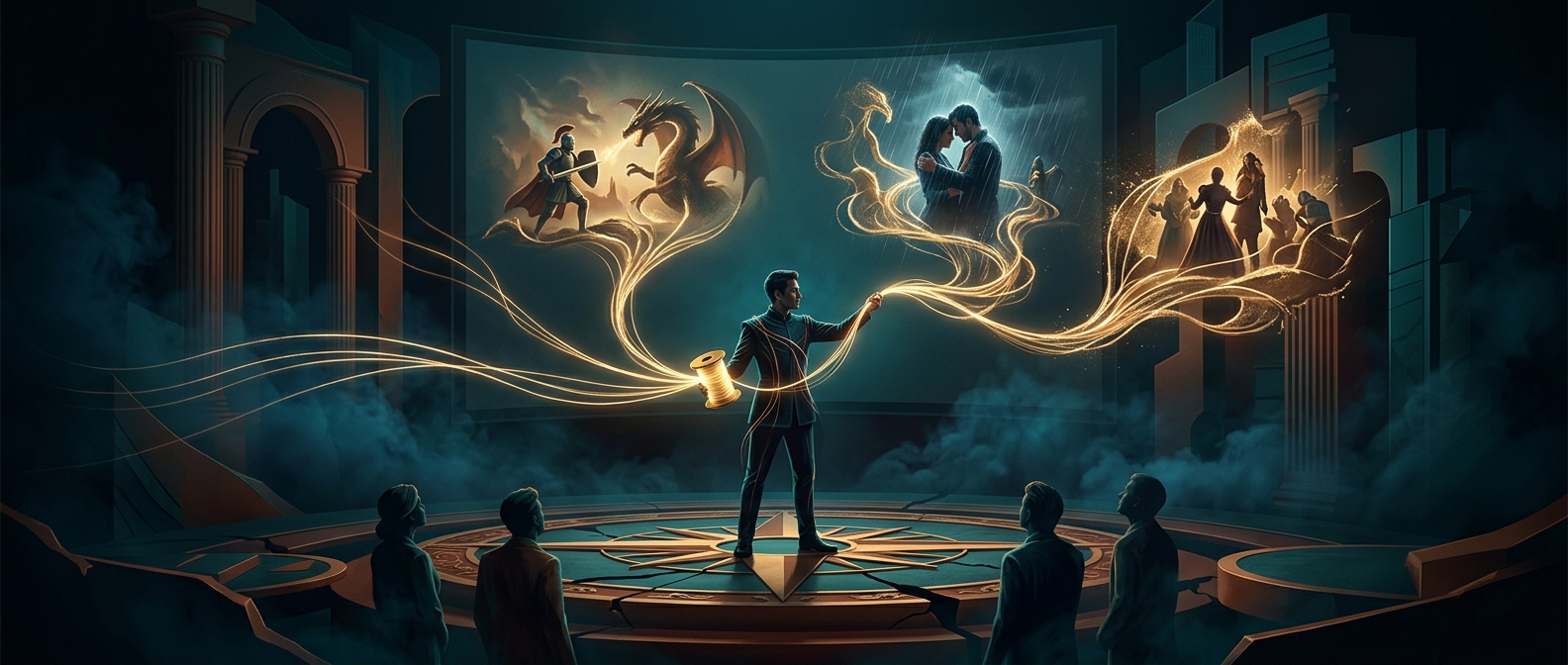
A real-life event rarely arrives in the neat shape of a television episode. It may unfold over days, involve several people, and contain long stretches when nothing visibly happens. Producers have to turn that material into a story with a clear setup, rising tension, and payoff—often within a fixed runtime.
That pressure can change how events appear. Editors may move scenes out of their original order so a reaction follows the moment that seems to explain it. A small frustration can be emphasized because it gives a scene conflict, while a disagreement may be sharpened through selective cuts that remove pauses or soften the surrounding context. The sequence can feel continuous even when the moments were separated in time.
The Difference Between a Prompt and a Script
Some shows also use producers to ask participants about a subject, revisit an incident, or try an activity again for the camera. Such direction can produce usable footage, but it may make a spontaneous-looking moment less spontaneous. In some formats, scenes are reconstructed or repeated; in others, the main events are filmed as they happen and shaped mostly in the edit.
These techniques are not identical, and embellishment does not necessarily mean every event was invented. The key distinction is between what happened and how the program arranges viewers’ access to it. A sequence can preserve real people and real conflicts while making their timing, intensity, or apparent cause more dramatic.
Why the Framing Matters
Once a disagreement is presented as the turning point of a relationship or a minor setback as a crisis, viewers may remember that framing as part of the event itself. Watching with the editing in mind helps separate the underlying occurrence from the story structure built around it.