A stopper begins with a living tree
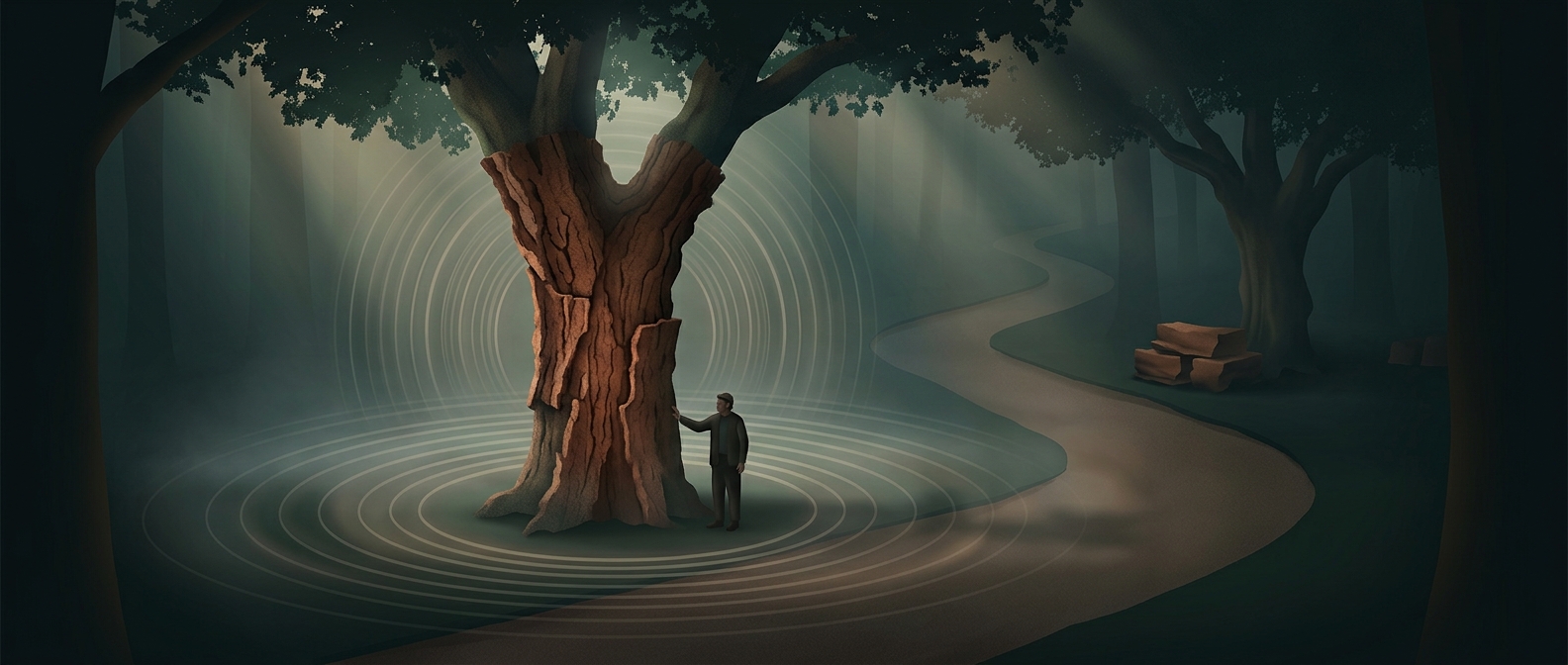
Cork is not cut from a trunk like lumber. Harvesters peel away the oak’s outer bark in broad sections, taking care not to damage the living layer beneath it. The tree stays standing and grows a new covering, so the harvest is renewable—but only on the tree’s timetable. The long wait before a usable crop means a grower cannot simply plant more oaks and quickly increase supply.
Time shapes the economics
A cork oak is a slow-growing asset: land and labor are committed years before the bark can earn money. Harvesting also depends on skilled workers, who use hand tools to separate the bark without cutting too deeply. That makes output difficult to scale quickly when demand rises. A poor cut can harm the tree, while taking bark again before it has recovered would risk future harvests.
Once removed, the bark is typically stacked and left to season before it is processed. It is then sorted and cut into stoppers; only bark with suitable structure becomes natural cork for wine bottles. The price of a cork stopper reflects not just the piece of bark, but a production cycle measured in decades.
The tradeoff behind the closure
That slow cycle helps explain why cork competes with closures that can be manufactured from other materials on shorter schedules. Cork’s advantage is a material grown on trees that remain alive after harvest; its constraint is that supply cannot respond rapidly. Each stopper is therefore the end of a chain that began long before the bottle was filled.