The expedition Symmes wanted Congress to send
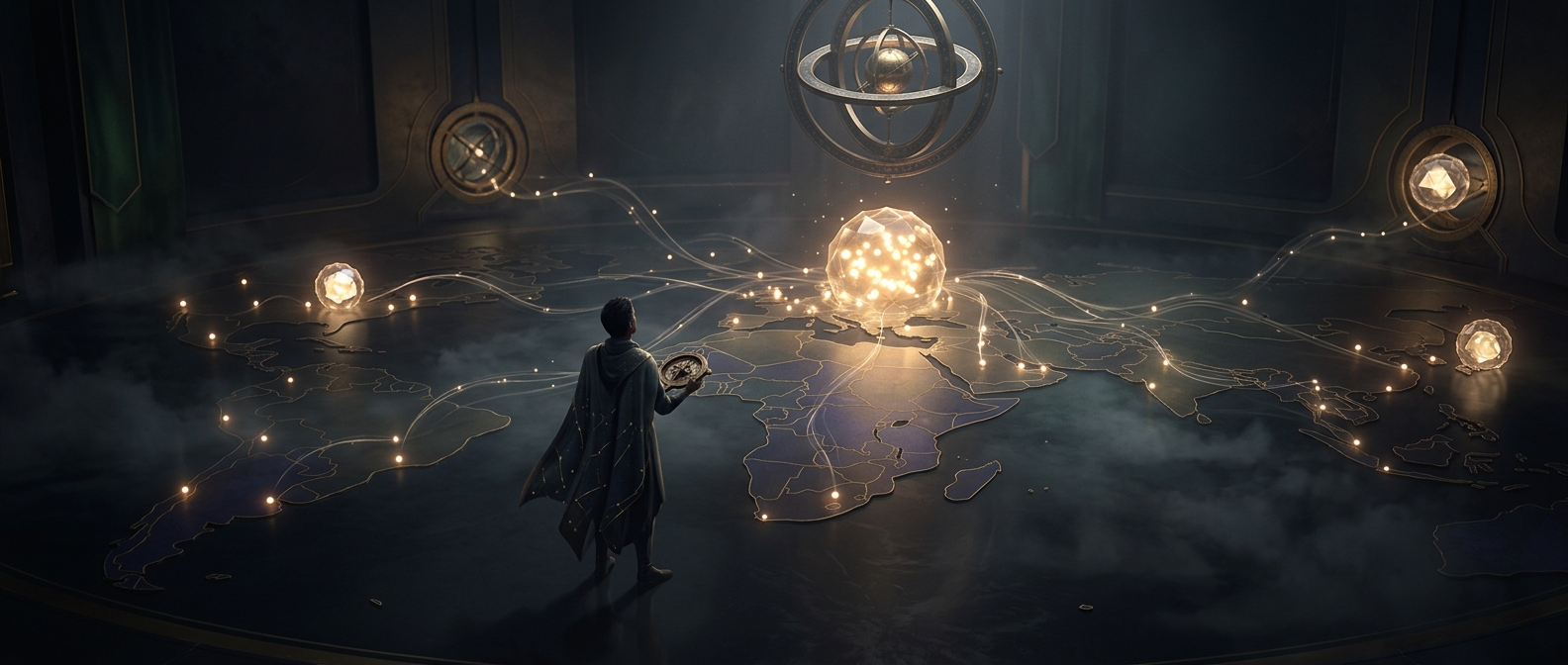
John Cleves Symmes Jr. turned an extraordinary claim about Earth into a public campaign. He argued that the planet was made of nested, hollow shells and that enormous openings at the poles led inside. In his imagined inner world, sunlight and climate could support land and inhabitants—not merely empty space.
In 1822, Symmes petitioned Congress to support an expedition toward the North Pole to look for the opening. A petition could put an advocate’s proposal before lawmakers, but it did not guarantee government backing. Congress did not fund the journey, so the expedition he sought never set out.
How a speculative idea gained an audience
Symmes promoted his proposal through lectures and printed arguments, giving listeners a concrete destination to imagine: travel north, pass through the opening, and reach a hidden world. That vivid itinerary helped make an abstract theory a public cause. He also attracted supporters who carried the idea beyond his own speeches.
But enthusiasm was not evidence. Symmes offered no reliable observations demonstrating a polar entrance or inhabited inner continents. The theory belonged to a period when much of the polar regions remained unexplored, yet unexplored territory did not establish that a passage into Earth existed.
The difference between advocacy and discovery
Symmes’s congressional appeal is striking not because it launched a federally financed voyage—it did not—but because he tried to turn belief into an official expedition. His campaign shows how a confident speaker could bring a fringe proposal into public debate without persuading the government to pay for it. The imagined opening remained a destination in lectures, not a place any expedition found.