When customary rights became a public grievance
For villagers, “common” land did not necessarily mean land owned by everyone. It often meant fields or pastures where local people had customary rights to graze animals, gather fuel, or otherwise make a living. Those rights could be crucial to a poor household: losing access to pasture might mean losing the animals that supplied food or income.
Enclosure changed how land was used by marking it off for more exclusive control. For landowners, that could make farming more profitable or manageable. For people who relied on shared access, fences and restrictions could turn a familiar resource into a locked-out livelihood. Kett’s rebellion drew force from this conflict, alongside wider complaints about local power and the treatment of ordinary people.
A rebel court beneath the oak
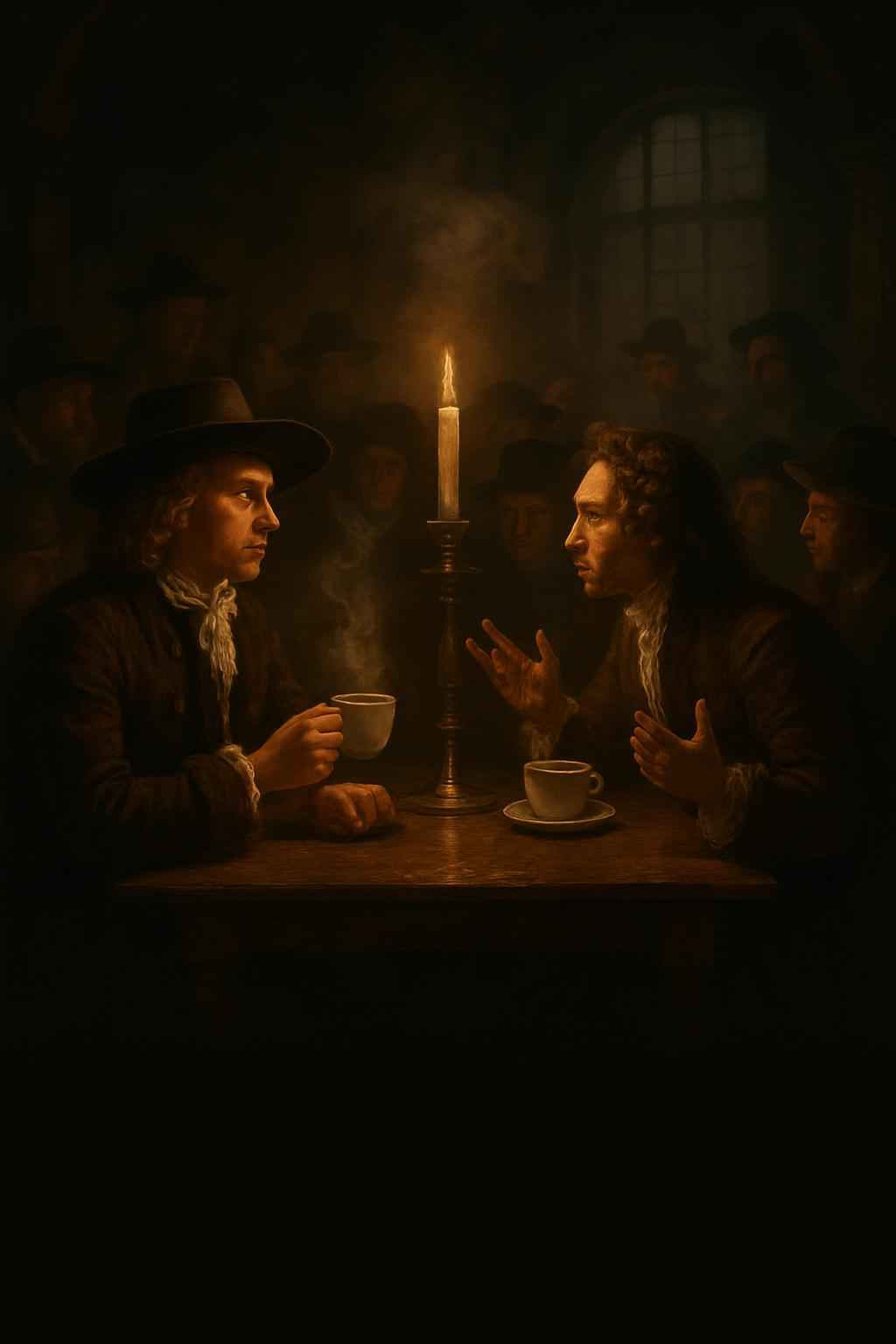
The revolt did more than oppose particular landowners. By gathering in force and setting up a court beneath an oak, the rebels created a visible alternative to the authorities who normally decided disputes. Trying captured nobles there made the reversal unmistakable: men accustomed to exercising power locally were made answerable before a crowd of people with little formal authority.
Norwich’s capture carried the same message on a larger stage. The rebels briefly controlled a major city, demonstrating how quickly a dispute rooted in rural livelihoods could challenge established rule. Their court was not a lasting replacement for royal justice, but it showed that the rebels meant to press their claims collectively rather than petition quietly as isolated villagers.
The limits of a local uprising
The crown ultimately had the soldiers and authority to restore control. Once the rebellion was defeated, Kett was hanged, and the brief experiment in popular justice ended. But the episode exposed a basic imbalance: customary access could sustain a community for generations, while decisions about land were increasingly made by those powerful enough to fence it off.
That is why the oak court remains such a striking detail. For a short time, people who had been shut out of decisions over their livelihood sat in judgment over the local elite.