Why military code names could surface in a crossword
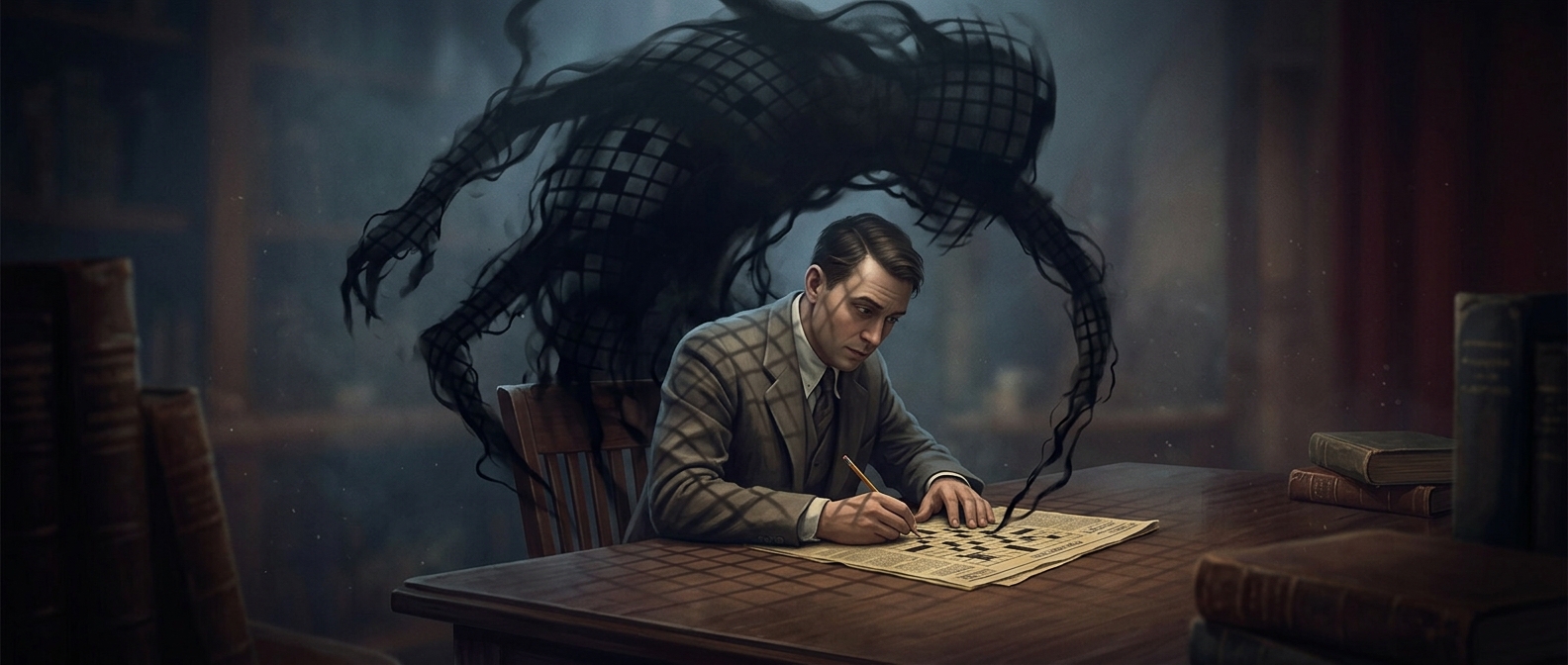
A crossword setter works with words that fit a grid as well as clues that make them solvable. That creates a small but real collision with military code naming: code names often need to be pronounceable, memorable words, while crossword answers tend to draw on the same familiar vocabulary.
During the Second World War, some crossword answers in a newspaper matched code words associated with the Allied invasion of Normandy. The overlap looked alarming because the answers appeared before the military operation, and a puzzle can seem like a way to pass information in plain sight. Editors were questioned as a result.
A suspicious pattern, built from ordinary words
The apparent signal was stronger than any single match. A word such as “Omaha” or “Overlord” could occur for an innocent reason, but several answers linked to the same operation made coincidence harder to accept at first glance. Investigators had to consider whether someone with access to the code names was leaking them through the puzzle.
The central explanation was less dramatic: the words had been chosen independently for the crossword. Code names and puzzle answers both favor usable, familiar words, so their vocabularies can overlap. A grid also narrows a setter’s choices; once a word fits the crossing letters, a seemingly unusual answer may be the most workable one.
The episode shows how context can transform an ordinary word into apparent evidence. In a puzzle, it is just an answer that fits. In wartime, the same answer can look like a message—especially when several happen to point toward the same military plan.