Why Crosswords Sometimes Reach for Obscure River Names
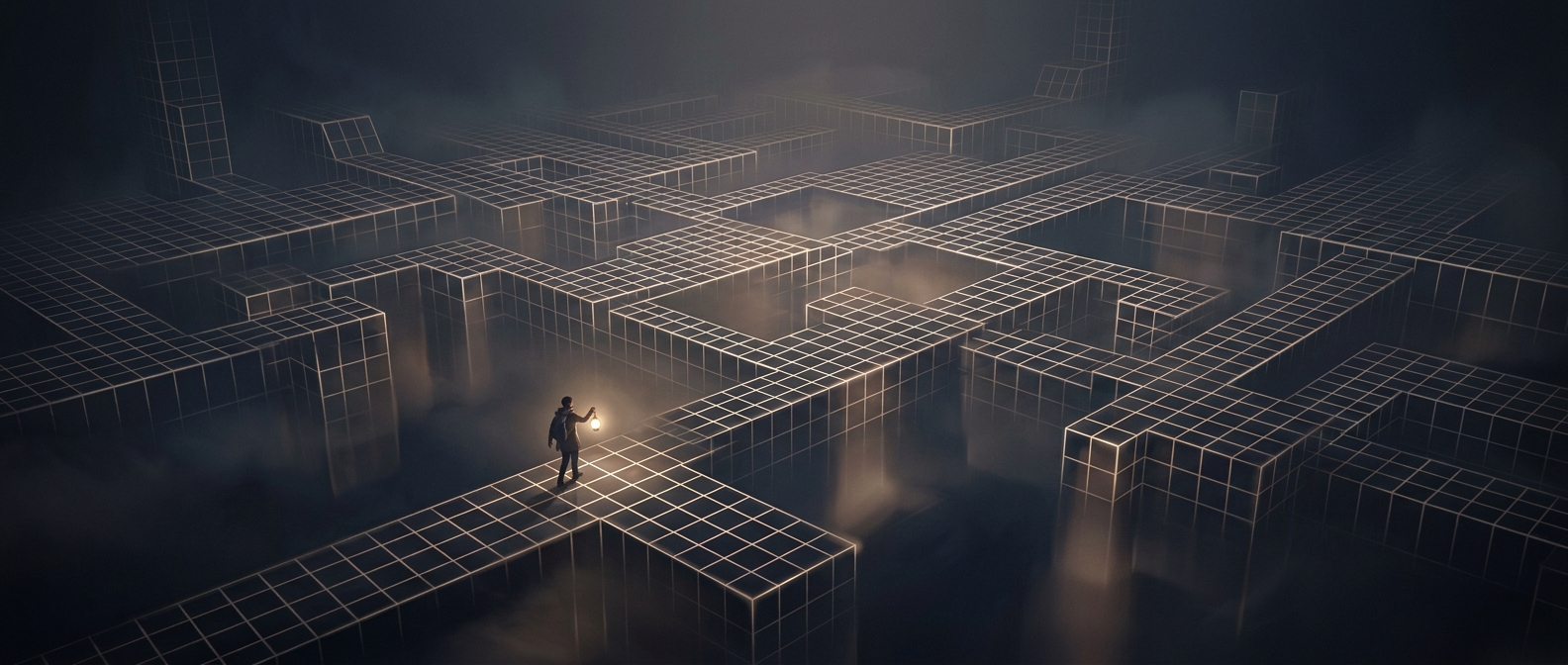
A crossword grid is a network of intersecting answers, not a collection of independent questions. Every white square belongs to an across answer and a down answer, so a letter placed in one slot also commits the solver to a letter in another. That interlocking is what makes the puzzle satisfying—and what makes construction difficult.
The Grid Can Box a Constructor In
Black squares divide the grid into slots of fixed lengths. A constructor has to fill those slots while keeping the crossings workable; a short answer may need to fit several neighbors at once. Familiar words do not always line up with the available lengths and letters. A less familiar place-name, such as a river, can fit a stubborn slot and let the surrounding answers fall into place.
That tradeoff is why a puzzle may include an entry that feels more like a scrap of trivia than a word anyone would use in conversation. It is not necessarily there because the constructor thinks the name is important. It may be a piece in the grid’s architecture.
Crossings Turn Guessing Into Deduction
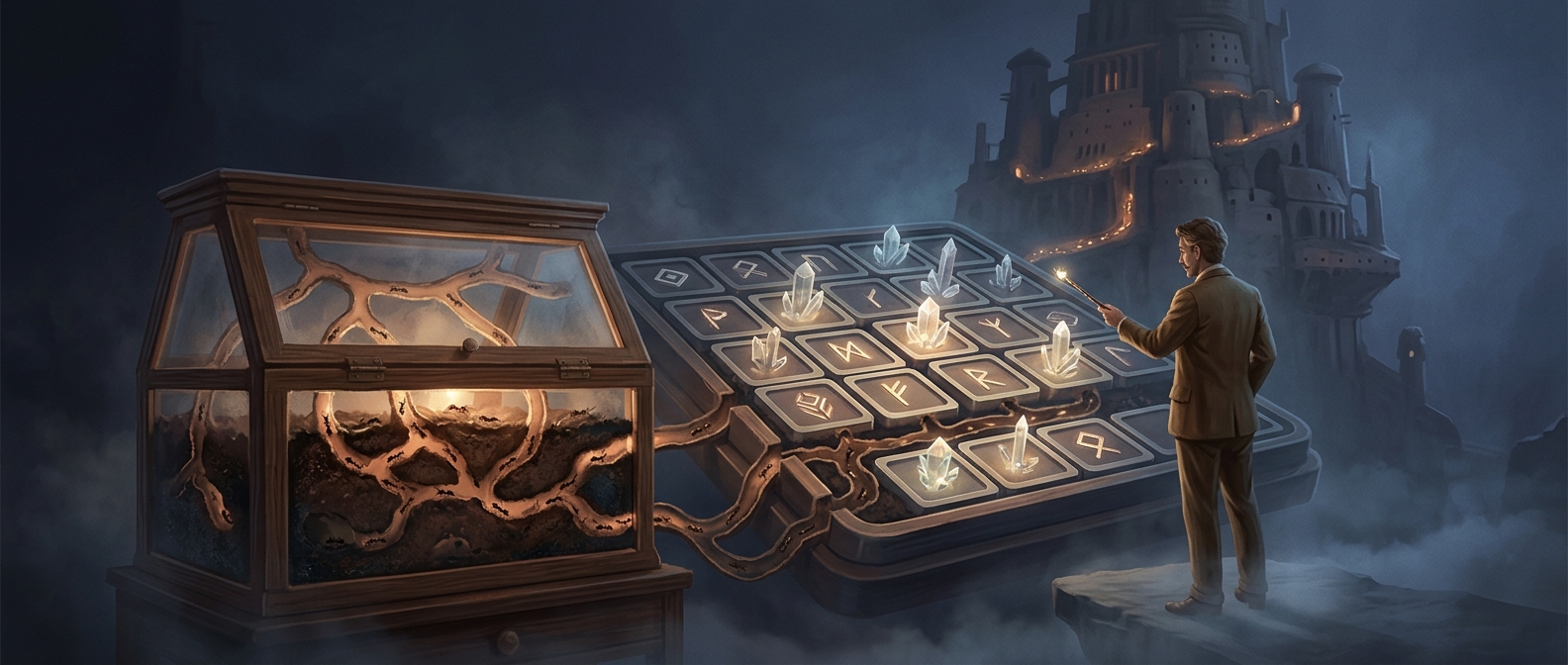
An obscure answer is rarely meant to stand alone. If you do not know the river, answers crossing it can supply enough letters to narrow the possibilities. But one mistaken guess can send several crossings off course, because the same letter participates in two answers. The grid gives you help, while also making each uncertain entry matter.
So the odd name has a practical role: it tests whether the solver can use the whole network rather than relying on one clue at a time. A blank that seemed to demand a geography lesson may become clear once its neighbors are solved.