Why a drowning victim may not wake up quickly
Drowning is a breathing emergency, not a matter of water that can simply be shaken or pressed out. As breathing fails, the body is deprived of oxygen; the brain and heart can be injured before the person looks dramatically different. A few seconds of coughing or movement do not show that oxygen levels have recovered.
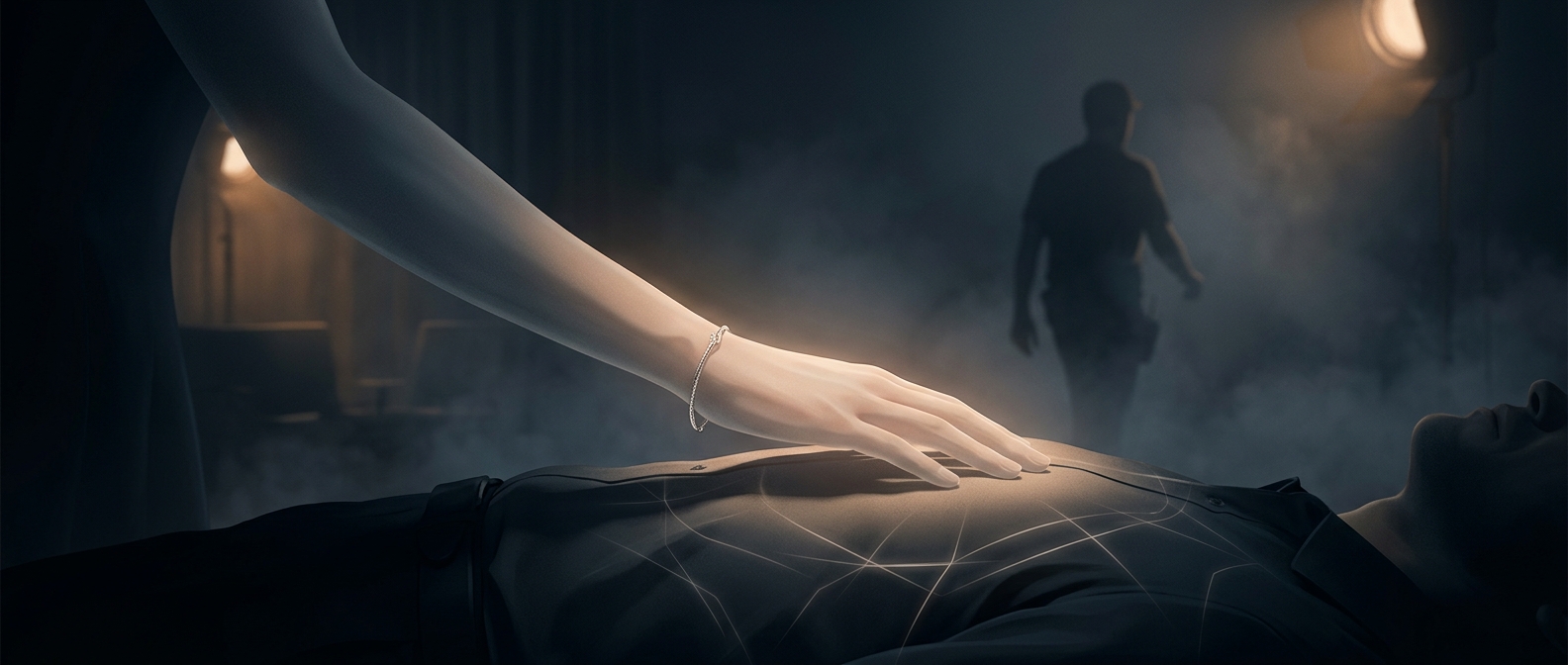
Water can enter the airways, but trying to force it out delays the help the person needs. The urgent problem is getting oxygen moving again. That is why resuscitation focuses on CPR, including rescue breaths when possible, rather than pressure on the chest or collarbone to make water come up. Call emergency services and follow the dispatcher’s instructions; only attempt a rescue from the water if you can do so without putting yourself in danger.
The movie version skips the hard part
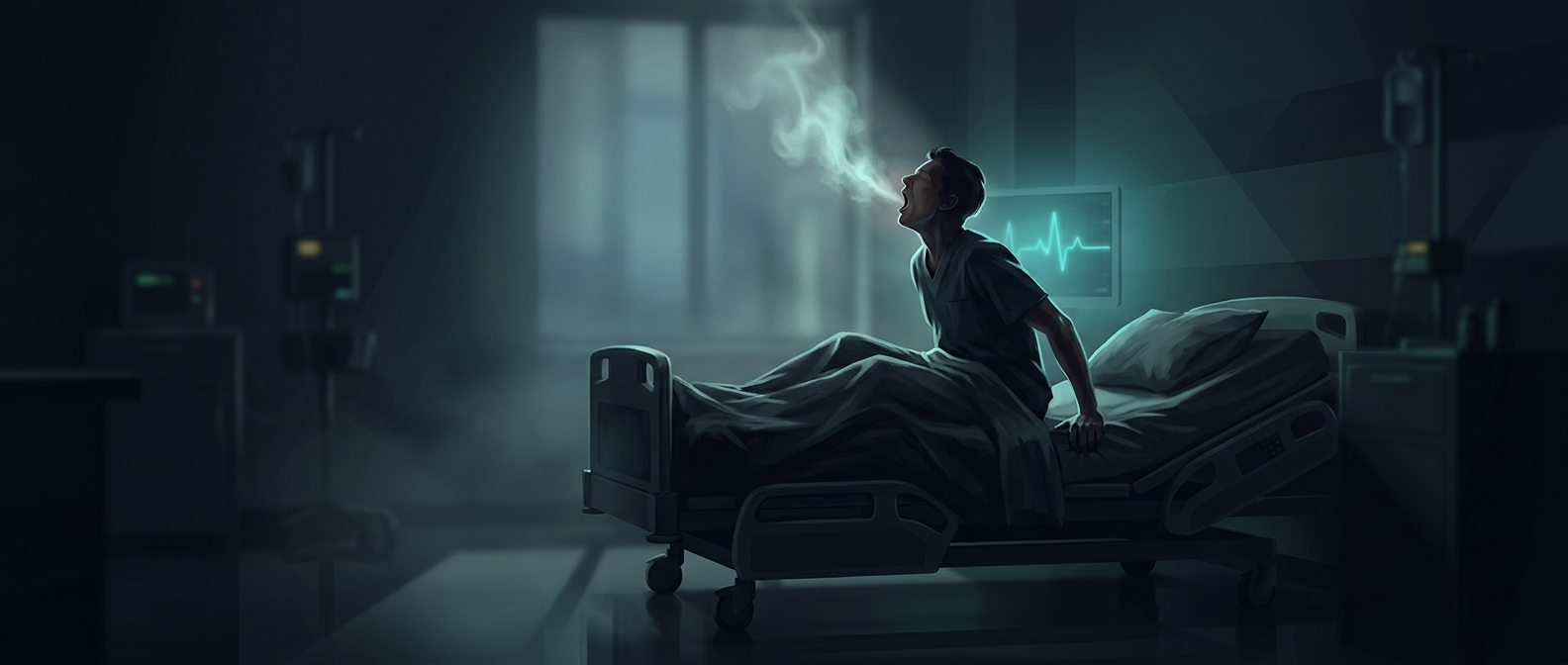
On screen, a victim often coughs up water and returns to normal almost at once. In real life, someone who has stopped breathing may need sustained resuscitation and emergency medical care. Even if they begin breathing or seem alert after rescue, they can still have breathing problems and should be assessed by medical professionals.
The dramatic image of water pouring from the mouth is misleading because it makes expelling water look like the treatment. In practice, time spent trying to drain someone can take time away from CPR and emergency care. The crucial turn in the scene is not a sudden cough: it is restoring breathing and circulation, then getting the person medical help.