Why the Slap Works on Screen
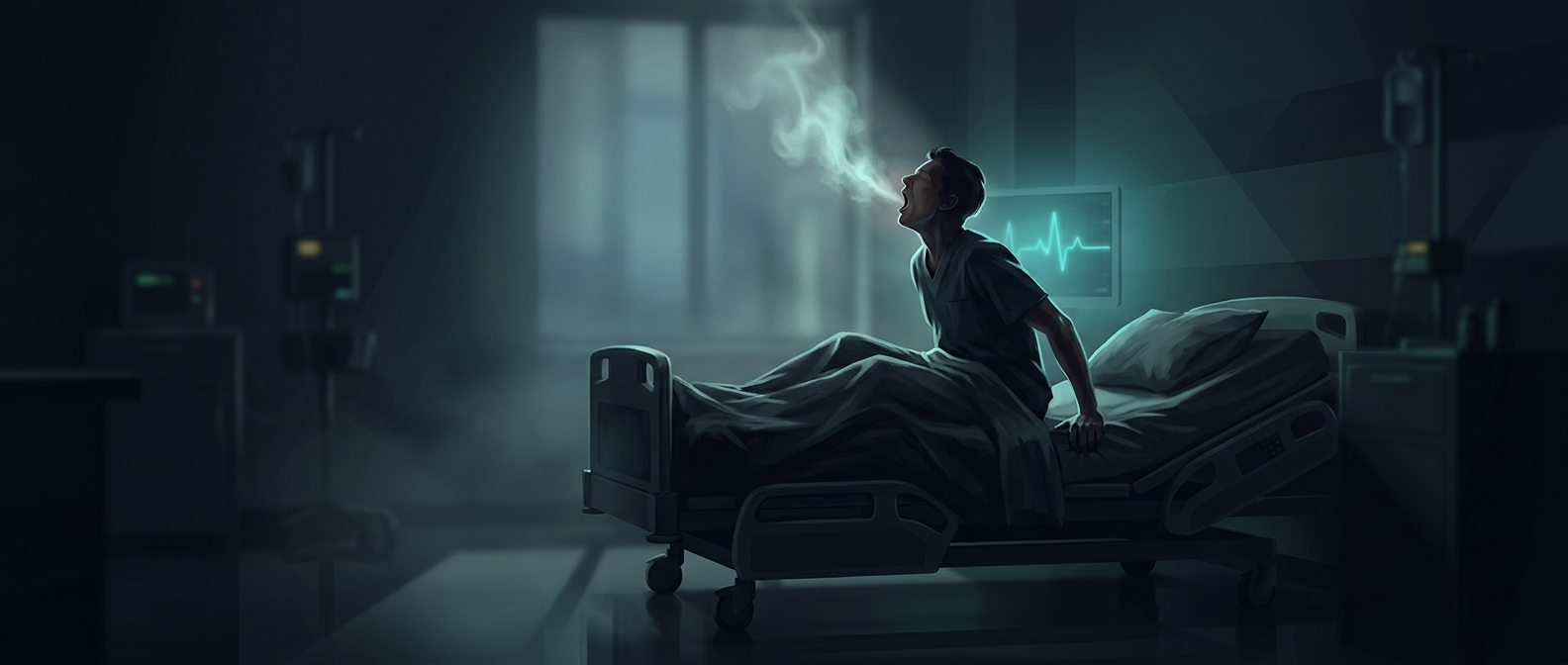
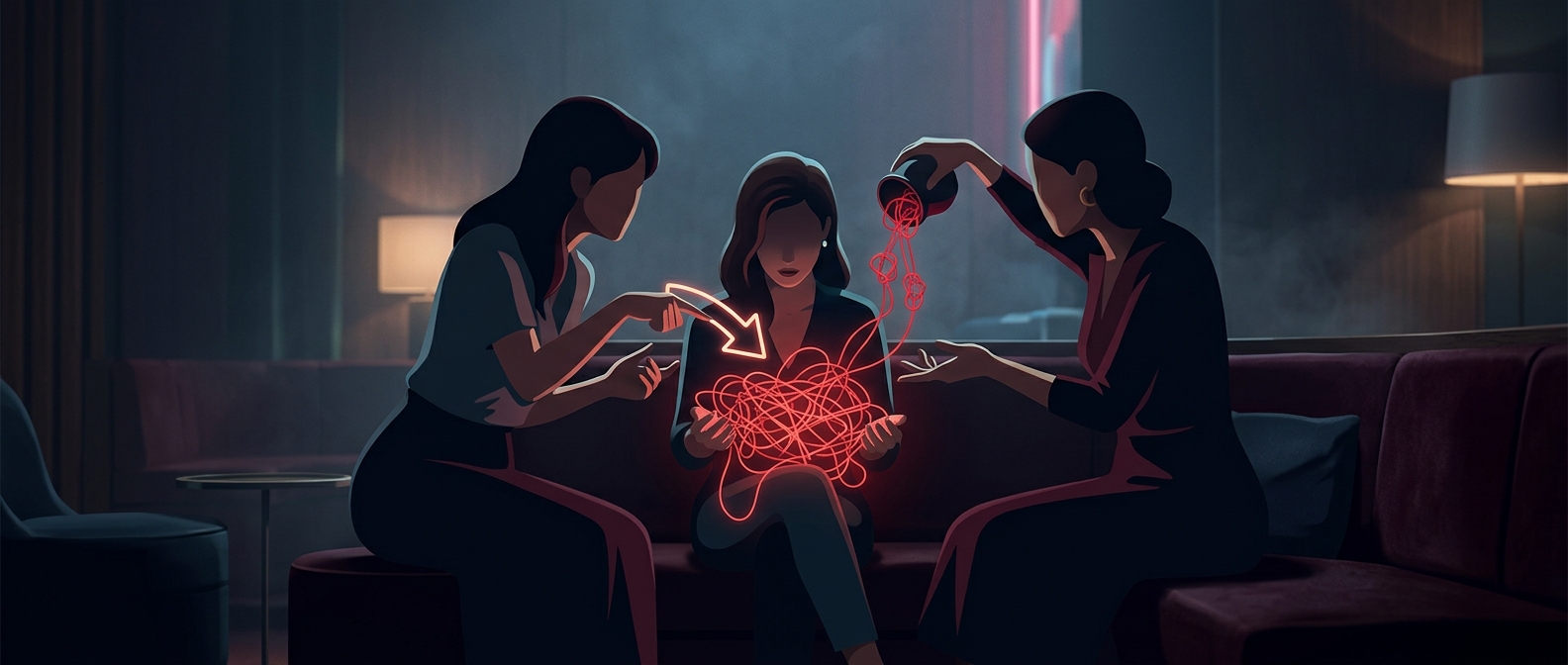
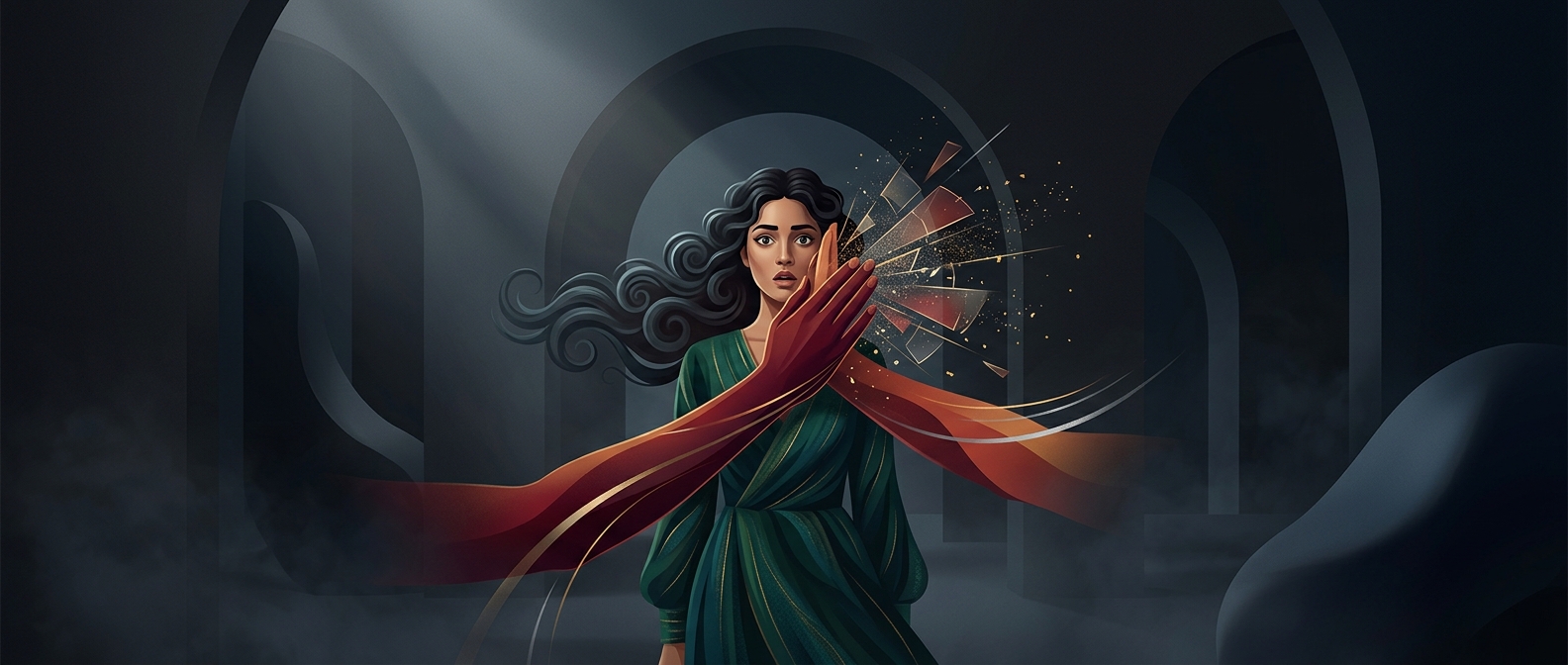
A panic attack is difficult to film because its central action is happening inside someone: fear surges, attention narrows, and bodily sensations such as a racing heart or breathlessness can feel overwhelming. A slap turns that invisible crisis into a single, unmistakable event. The audience sees a sharp interruption, hears it, and can read the character’s reaction immediately.
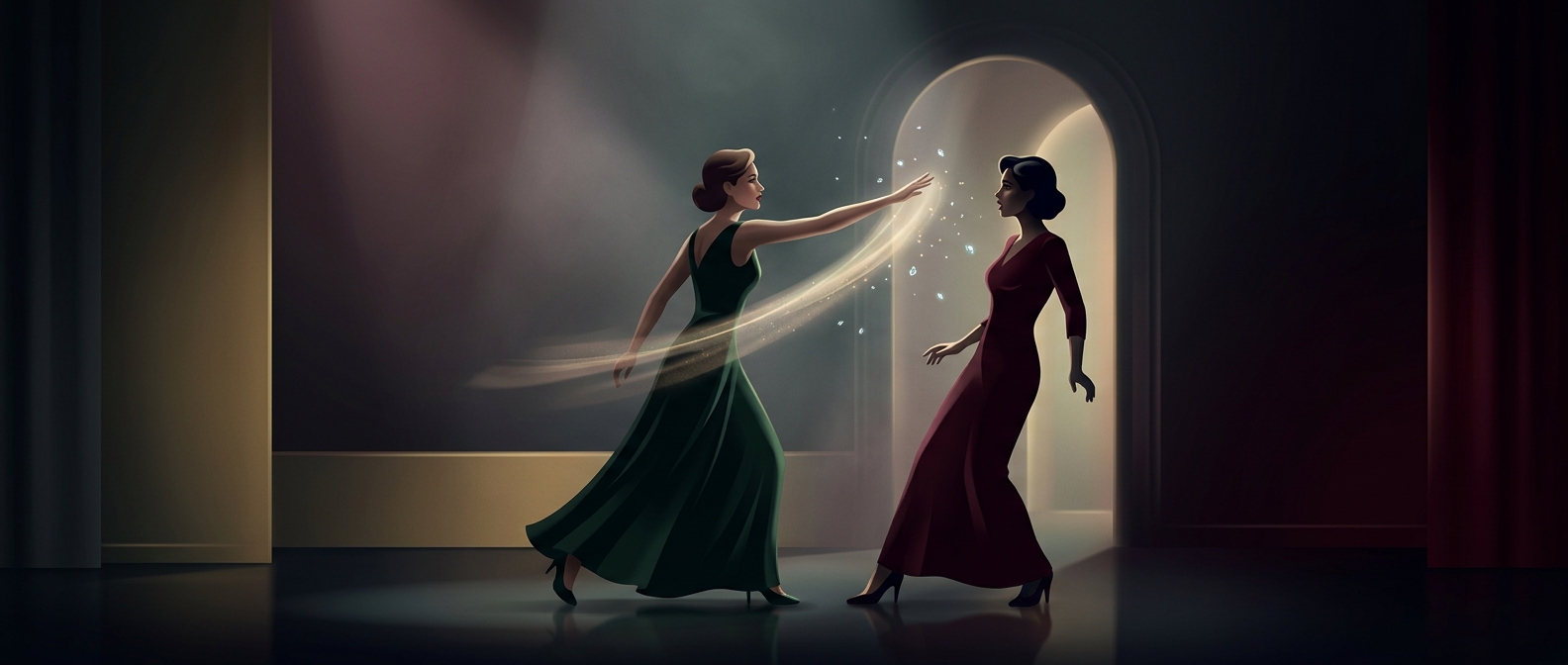
It also gives another character a decisive role. Instead of waiting beside someone in distress, they do something dramatic—and the scene can move on as soon as the stricken character looks up. That makes the slap a compact storytelling device, not a realistic account of how panic ends.
A Sudden Shock Is Not a Reset Button
A slap may startle someone or redirect their attention for a moment, but that is not the same as resolving panic. The attack does not operate like a frozen machine that can be jolted back into normal function. A painful or threatening touch could add fear, confusion, or distress, especially when the person is already feeling out of control.
In real life, a more useful response is generally to stay calm, offer reassurance, and ask what would help rather than imposing a dramatic intervention. Some people may find simple grounding—bringing attention back to what they can see, hear, or feel—helpful, but no single technique works for everyone.
The Cost of the Shortcut
The trope compresses a complicated experience into a clean before-and-after: one blow, then clarity. That can make panic look like something an outsider can switch off, and can suggest that a person in crisis needs force rather than support. Its appeal is cinematic precision; its limitation is that real distress rarely obeys a cue timed for the next scene.