The slap is staged for the camera, not the face
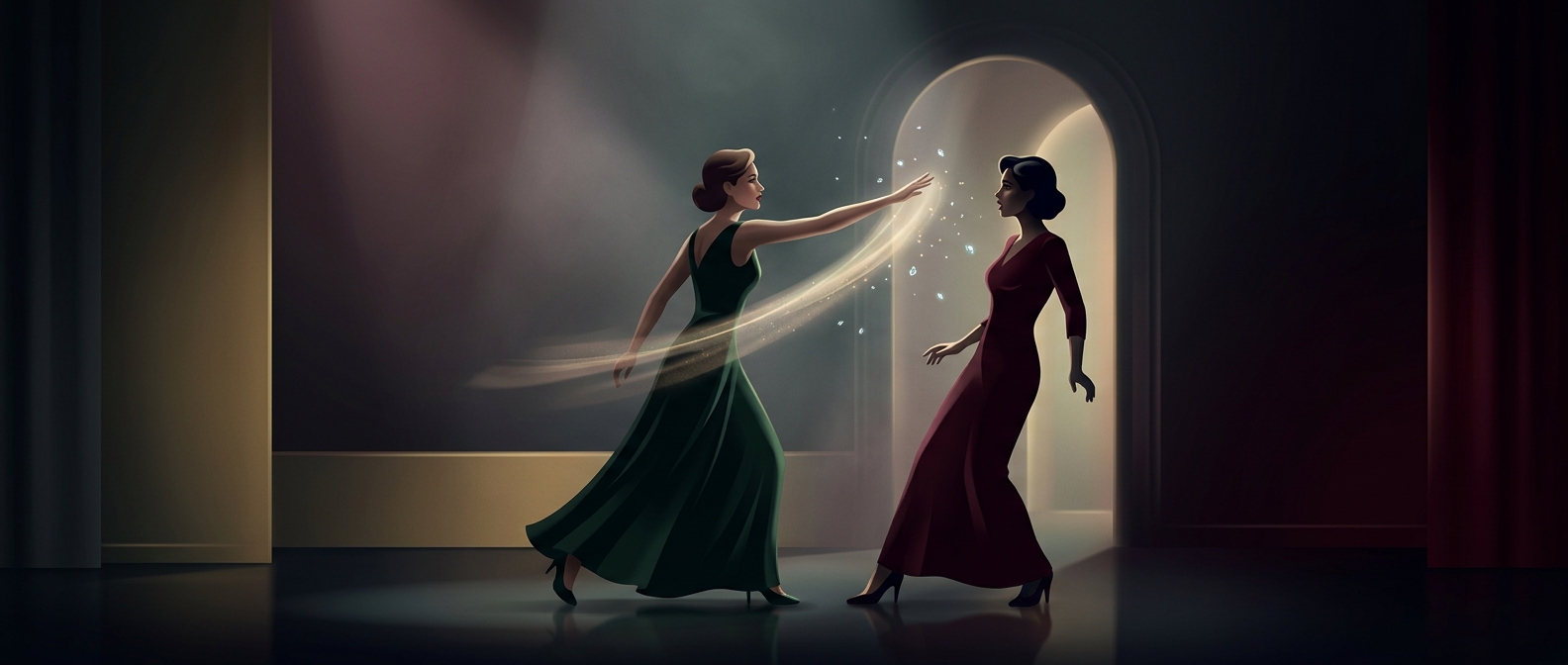
A screen slap has to read instantly as a sharp impact without actually striking anyone. In one common technique, the actors keep their faces apart: the person delivering the slap claps their own hands together just out of the camera’s view, while the other actor jerks back on cue. The clap supplies a crisp sound at the moment the audience sees the apparent hit.
Timing makes the illusion believable
The performers coordinate three things: the arm’s path, the clap, and the reaction. The hand appears to travel toward the other actor, the off-camera clap lands at the apparent point of contact, and the recipient’s flinch makes the force feel real. If those beats drift apart, the slap can look like a miss with an unrelated sound effect.
Camera position helps conceal the gap between the actors. A close angle can make a hand passing in front of a face look as if it touched, even when the performers are separated. Editing and added sound can reinforce the effect, but the movement still has to look convincing in the shot.
The impact the audience perceives is assembled from timing, framing, sound, and reaction—not necessarily from a hand striking a face. That lets a scene feel sudden and forceful while keeping the contact itself out of the picture.