The schedule is built for speed
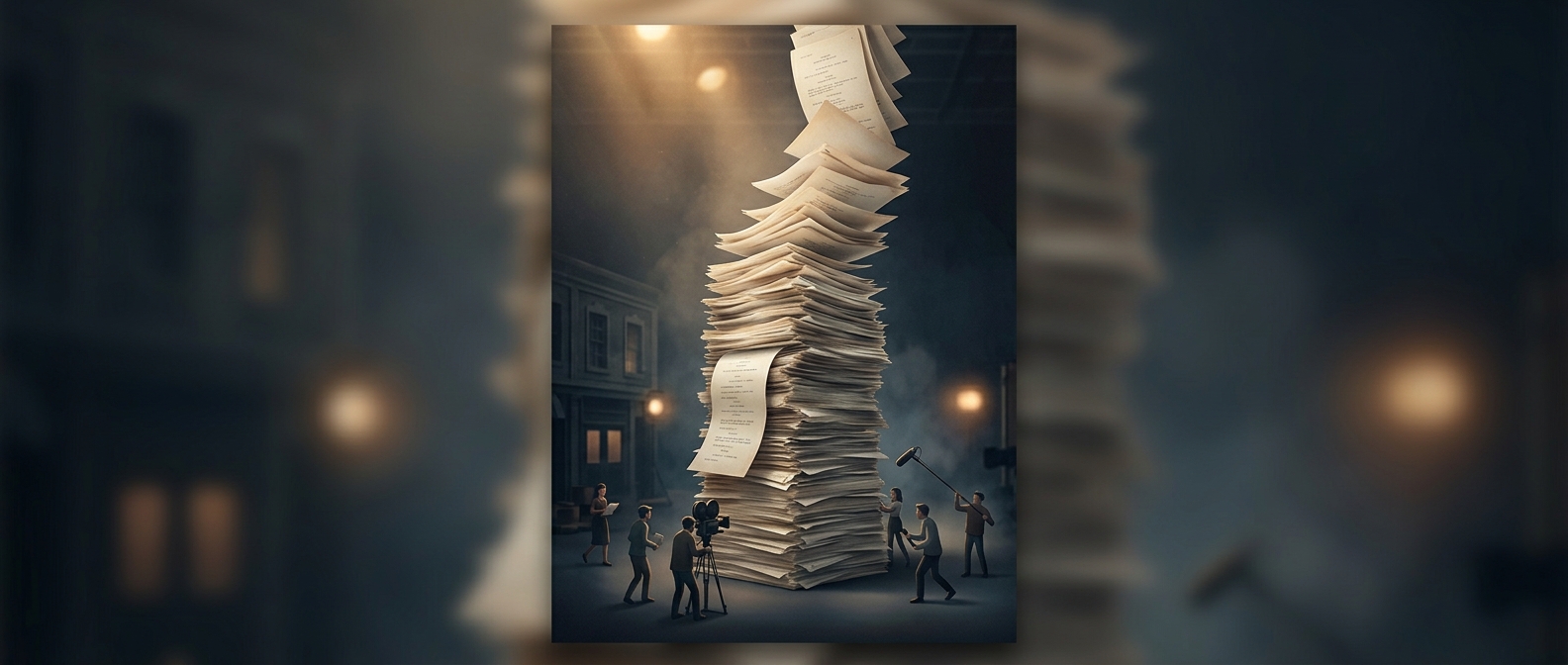
A soap opera’s story unfolds in daily installments, but the production does not film those installments as viewers watch them. Scenes are grouped by practical needs—often by set and cast—so actors may shoot moments from different episodes in the same stretch of work. The finished sequence is assembled later, making a brief, tightly organized shoot feel like a much larger run of drama.
Familiar sets reduce the reset time
Much of the action returns to a small group of standing sets, such as a home, hospital, or café. Once a room is lit and its cameras are positioned, the crew can move through several scenes there before changing locations. Actors arrive knowing the blocking—the planned movements and positions—while directors and camera operators work from a prepared shot plan. That leaves less time for lengthy rehearsals or repeated takes than a production with a slower schedule might allow.
Why small mistakes can survive
The pace shifts effort upstream: scripts, props, and scene plans must be ready before filming begins. On set, a flubbed line or awkward movement may be corrected quickly, but a minor imperfection can also remain if repeating the scene would disrupt the schedule or create continuity problems. Editors then select usable material and join scenes into episodes.
That efficiency is part of the form’s design, not simply a shortcut. A scene that takes only a short time to record can still carry a major plot turn; the production’s challenge is to keep the story moving while making each moment clear enough to land on screen.