Why “new” looks wrong on screen
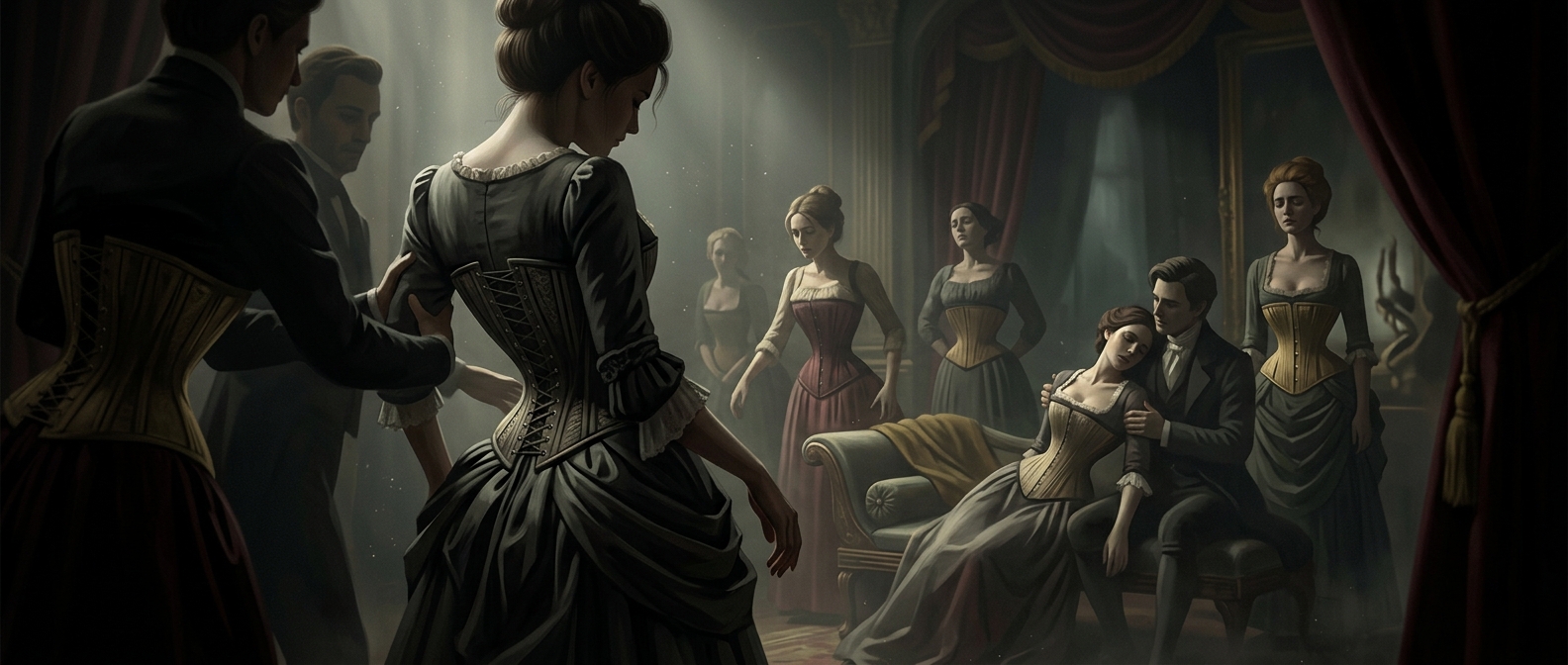
Fresh clothes often look conspicuously fresh under bright film lighting. Even a character’s first day in a wilderness or disaster story may need to feel as though it follows weeks of hard use. Costume aging, sometimes called distressing, changes the garment’s surface so it fits the character’s circumstances before the camera sees it.
Wear is built from the outside in
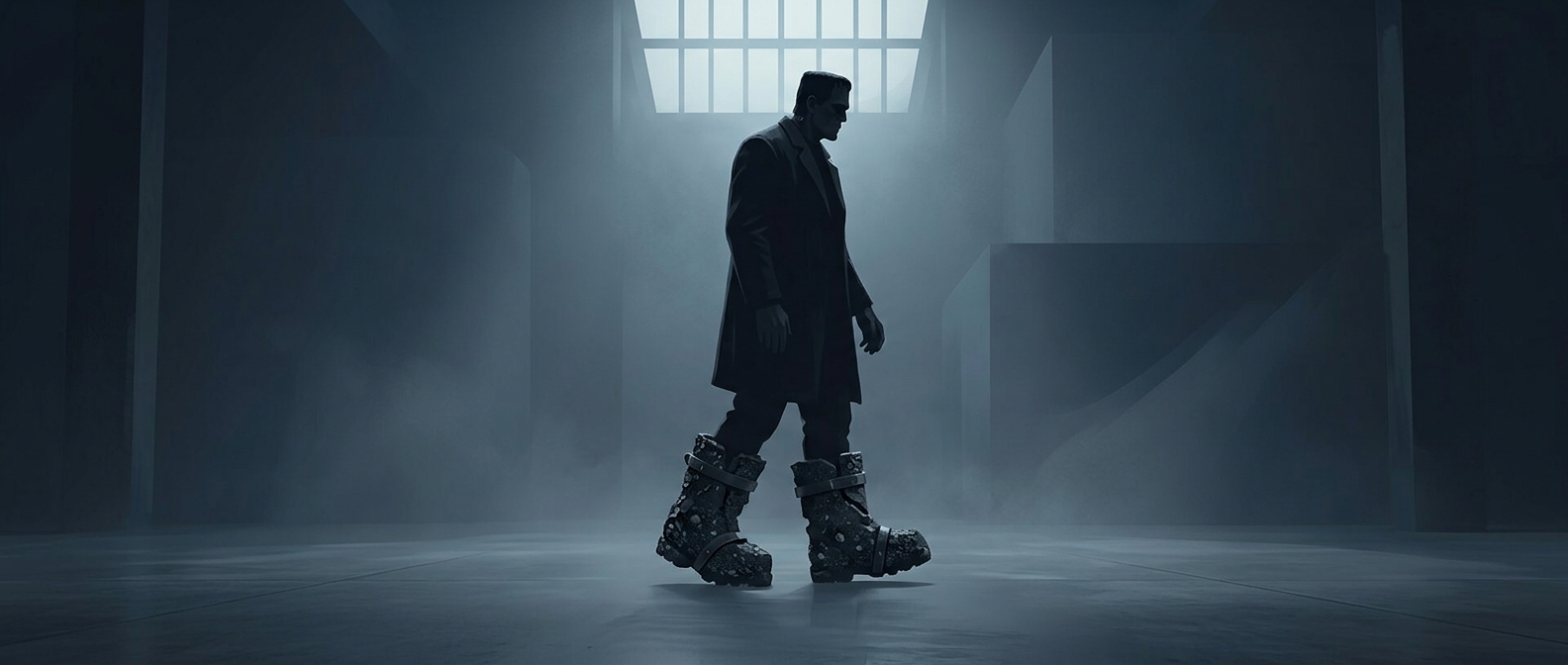
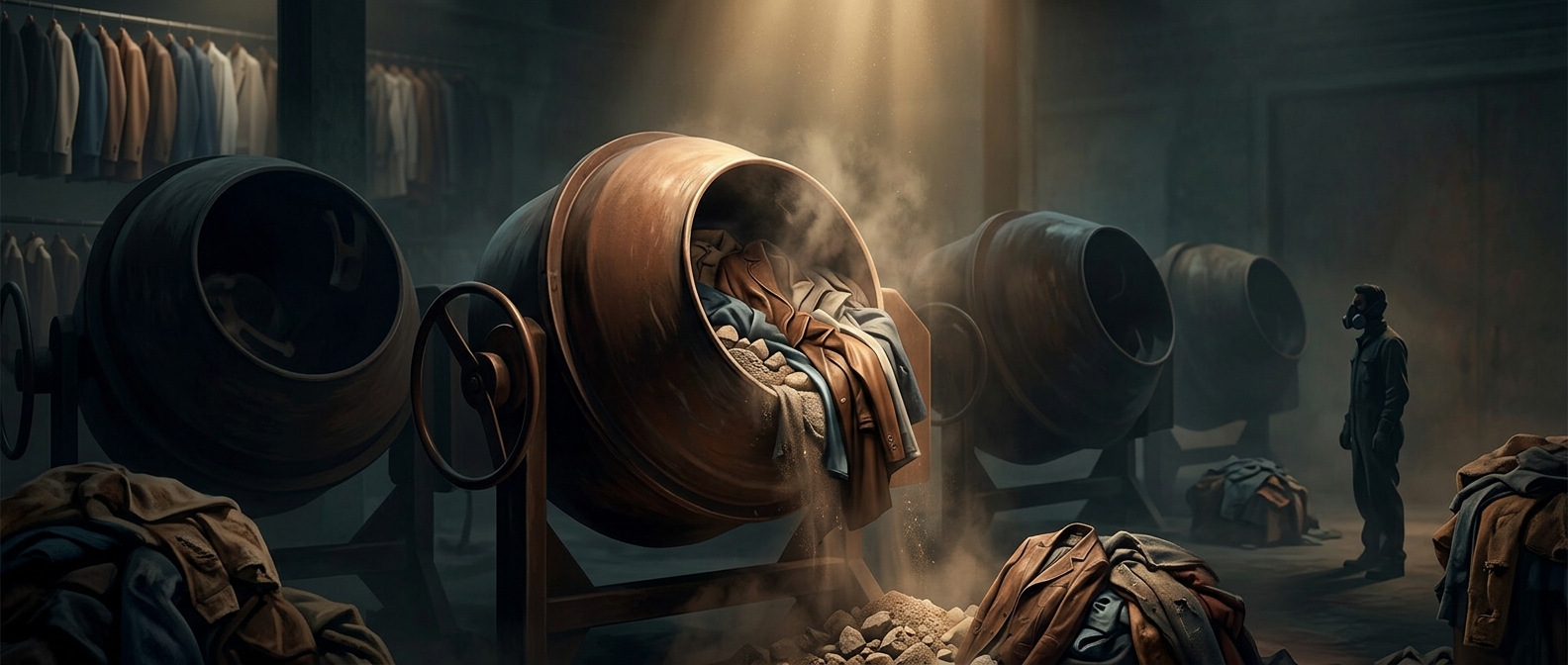
In an industrial mixer, rocks scrape and strike fabric as the clothes tumble. That friction softens the surface and can create scuffs, fading, and uneven wear—the small irregularities that make a garment seem handled rather than straight off a rack. The goal is not simply to make everything look dirty: a uniform coating of grime can look artificial, while wear in a few believable places suggests use.
The crew has to judge how much damage the material can take. A sturdy fabric may tolerate rough treatment; a delicate one could tear or become unusable. Since the process is hard to reverse, wardrobe teams can test garments and build up the effect rather than risk wrecking a needed costume in one go.
The same wear has to survive every take
A distressed costume is also part of visual continuity: the details need to stay consistent when a scene is filmed from different angles or repeated later. If a sleeve looks heavily abraded in one shot and nearly new in the next, the mismatch can distract from the story. Aging clothes before filming lets the crew decide where the wear belongs and reproduce it, instead of relying on accidental damage during production.
That is why a brand-new garment may be deliberately roughed up: on screen, controlled wear can make a character’s hardship readable at a glance.