Why a Tight Costume Can Become a Physical Problem
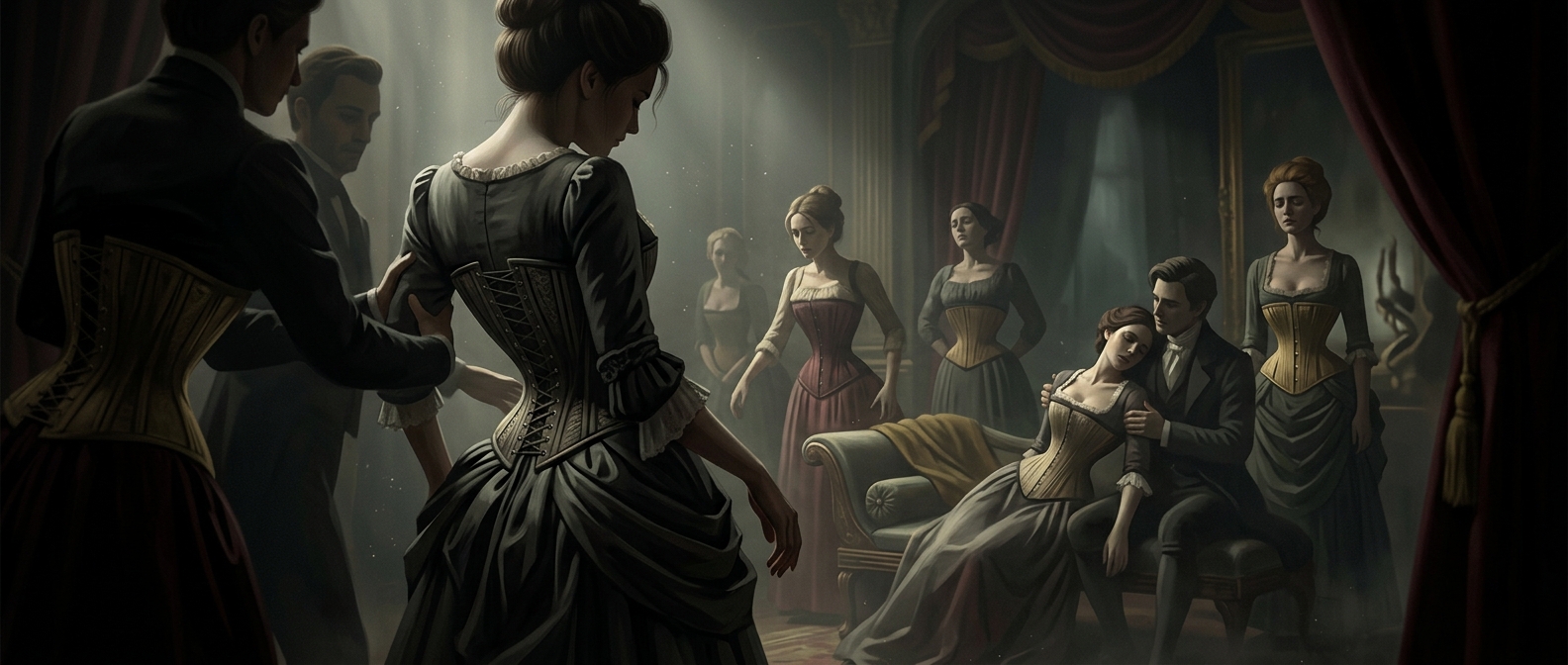
A tightly fitted corset can limit how freely a performer’s abdomen and lower ribs move. That matters because breathing is not just a matter of drawing air into the chest: the diaphragm, a broad muscle beneath the lungs, normally moves downward as the lungs expand. Restriction can make deep, comfortable breaths harder, especially during strenuous scenes or long takes.
Fainting usually involves more than one factor. Heat, standing still, fatigue, dehydration, and stress can all make a person more likely to feel lightheaded. Under hot studio lights, the body sends more blood toward the skin to shed heat. If blood pressure then falls, less blood briefly reaches the brain, and the performer may lose consciousness.
The Costume Is Part of the Production’s Safety Plan
A screen costume need not reproduce the tightness of a historical garment to look convincing. Costume teams can use supportive construction and adjustable fastenings, while performers and wardrobe staff can arrange breaks and loosen the garment between takes. The goal is to preserve the intended silhouette without making the actor hold an uncomfortable fit for longer than necessary.
If someone becomes faint, filming stops so the person can sit or lie down and recover; continuing a take is less important than preventing a fall or a more serious heat-related problem. The practical lesson is that period appearance is designed for the camera, but the body wearing it still has to breathe, move, and stay cool.