Why a fantasy army needs so much synthetic hair
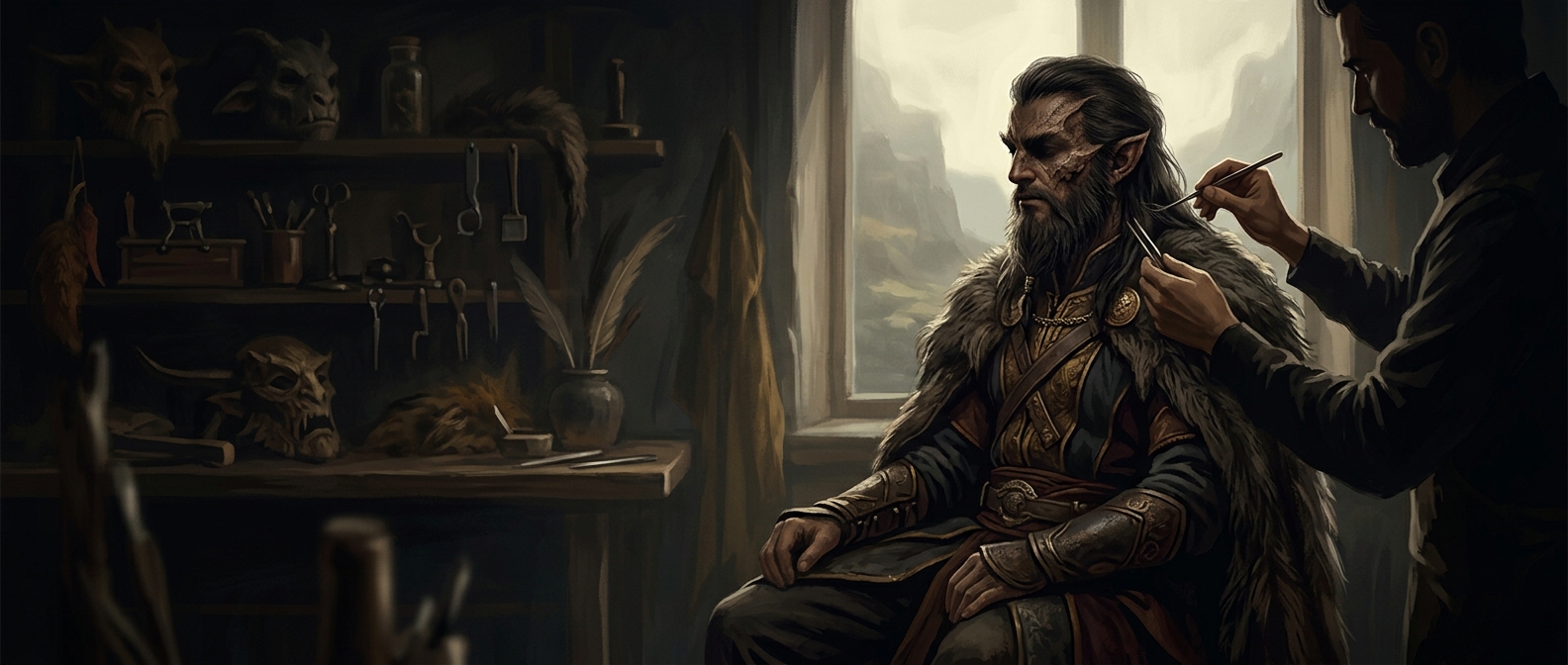
A crowd scene may show thousands of warriors, but each performer needs a hairstyle that reads clearly on camera and fits the production’s visual design. Braids are especially useful: they create a recognizable silhouette, help distinguish a fictional culture, and can be repeated across background performers. A production making 10,000 braids is therefore buying a bulk commodity, not just a few specialty props.
One production can ripple through the supply chain
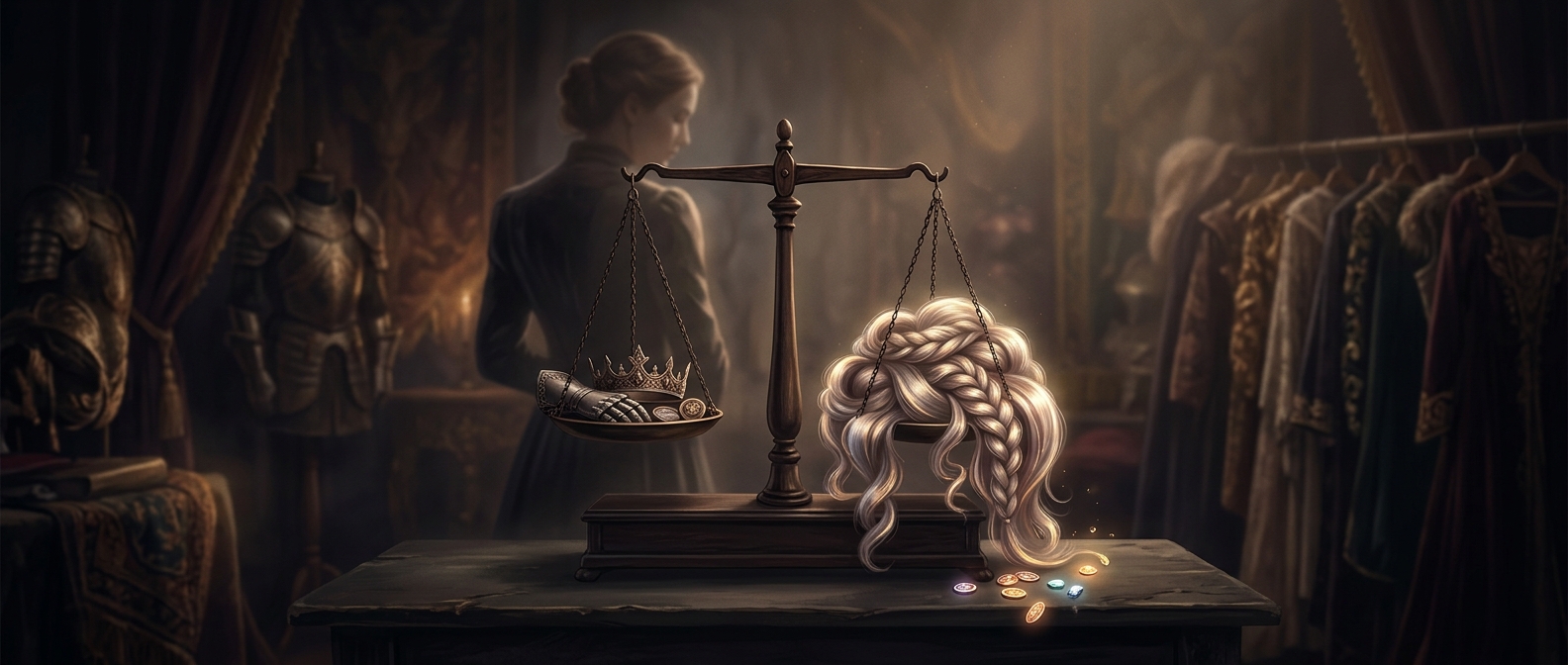
Synthetic braids are assembled from hair-like fibers sold through wholesalers, who supply wigmakers, salons, costume departments, and other buyers. Those sellers keep stock on hand, but inventory is divided among colors, lengths, textures, and fiber types. A large order can quickly exhaust the particular products that match a production’s needs—and may draw down broader stocks if the department has to combine several matching batches.
When wholesalers have less available, ordinary buyers may face fewer choices or higher prices as they compete for replenishment. The pressure can extend beyond the exact braid used on screen: similar fibers and colors may serve many customers, so a sudden purchase can affect adjacent products too.
The hair department has to plan like a buyer
Costume and hair teams can reduce the risk by sourcing early, testing materials, and choosing a look that can be made from reliably available stock. They also need enough spare pieces to replace braids damaged during long shoots. The creative decision—what an army looks like—can become a real procurement decision, with consequences for suppliers and customers far outside the fictional battlefield.