Why life at La Rinconada feels physically different
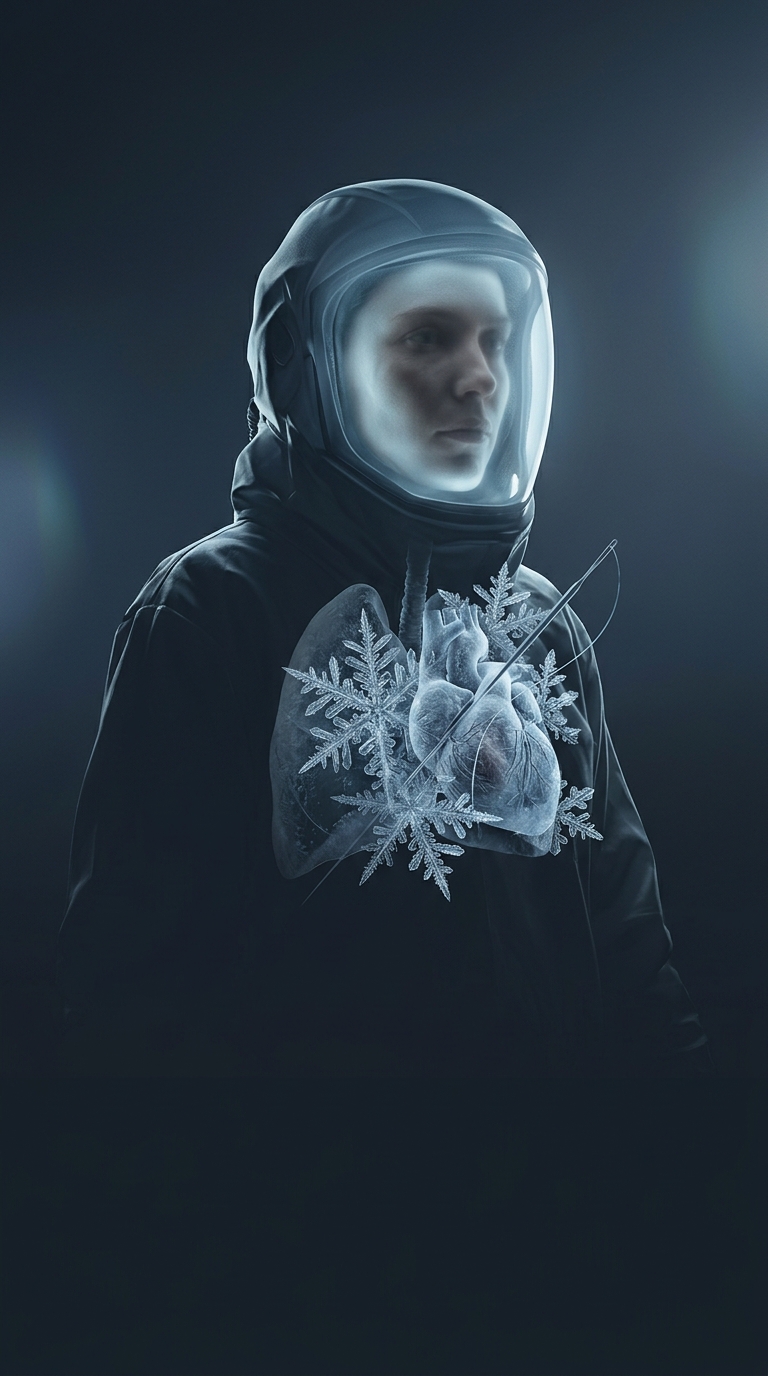
At La Rinconada’s elevation, the air still contains about the same proportion of oxygen as air at sea level. What changes is the pressure: with less pressure pushing air into the lungs, each breath delivers substantially less oxygen to the body. The result is altitude hypoxia, a shortage of oxygen that can make ordinary exertion feel demanding and leave newcomers short of breath or fatigued.
Over time, the body can adapt in part by making changes that help carry oxygen around. Acclimatization takes time, though, and it does not make the thin air disappear. Walking uphill or doing strenuous work remains more taxing than it would be at lower elevations.
The tradeoff behind a high-altitude town
La Rinconada’s growth is tied to gold mining. That work gives people a reason to live in a place where the altitude and harsh conditions make daily life difficult. But a settlement built around a remote, high mountain economy faces practical limits: water must be obtained and managed, and waste cannot simply be carried away through ordinary household pipes when there is no sewer network.
Those limits are not just an inconvenience. Without running water and sewage infrastructure, residents must rely on other ways to secure water and handle waste, making basic sanitation a persistent challenge. The town’s elevation is therefore more than a dramatic number on a map: it shapes how people breathe, work, and meet everyday needs.