Why a Story Can Fit Around the Rest of the Day
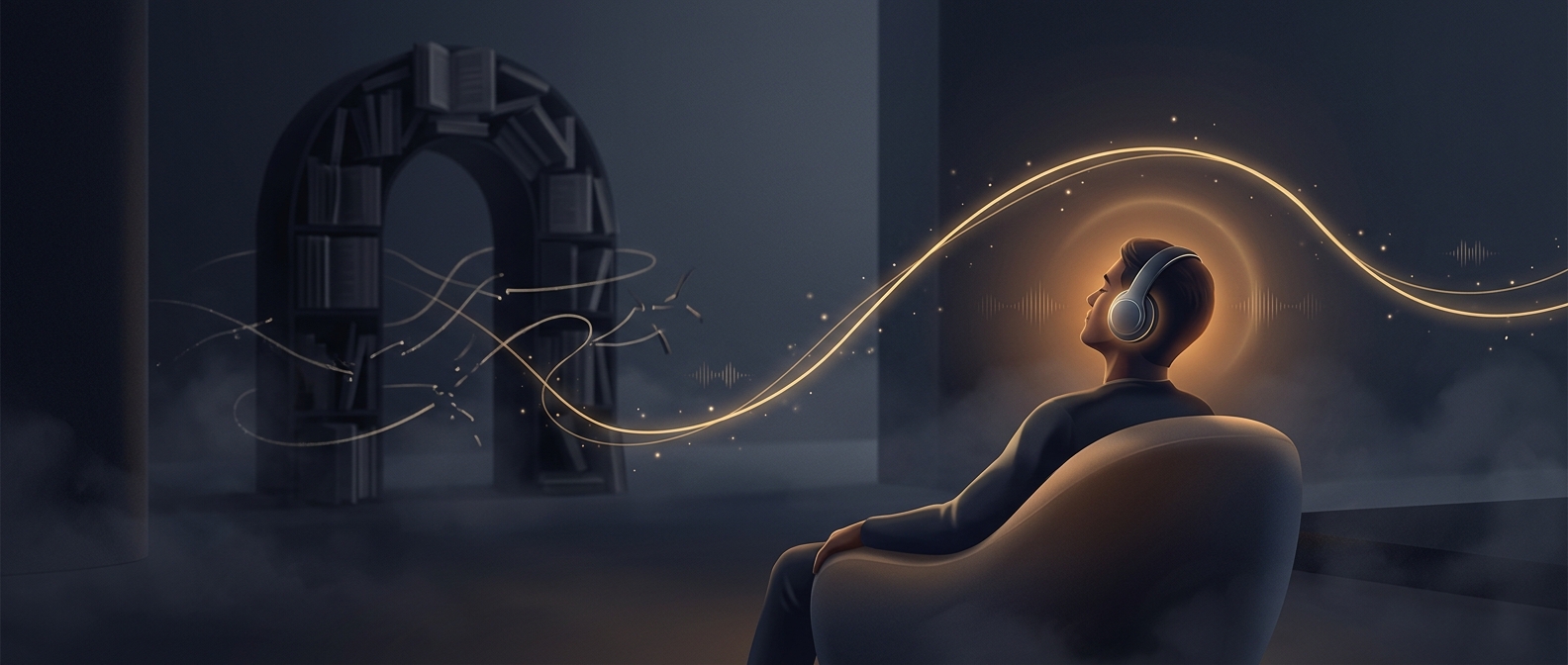
Listening changes the conditions under which a story reaches you. A printed page waits while your eyes move across it; a narrator carries the words forward in time. That makes an audiobook easier to combine with a familiar, low-attention task, but it also means the story can move on while your mind is elsewhere.
The distinction matters because listening is not attention-free. Following a plot still requires the brain to hold onto characters, connect events, and interpret tone. A routine walk or household chore may leave room for that work; a conversation, a complicated route, or anything needing close concentration may not. When a scene becomes hard to follow, pausing or replaying a passage is the audio equivalent of rereading a paragraph.
The Narrator Supplies More Than Words
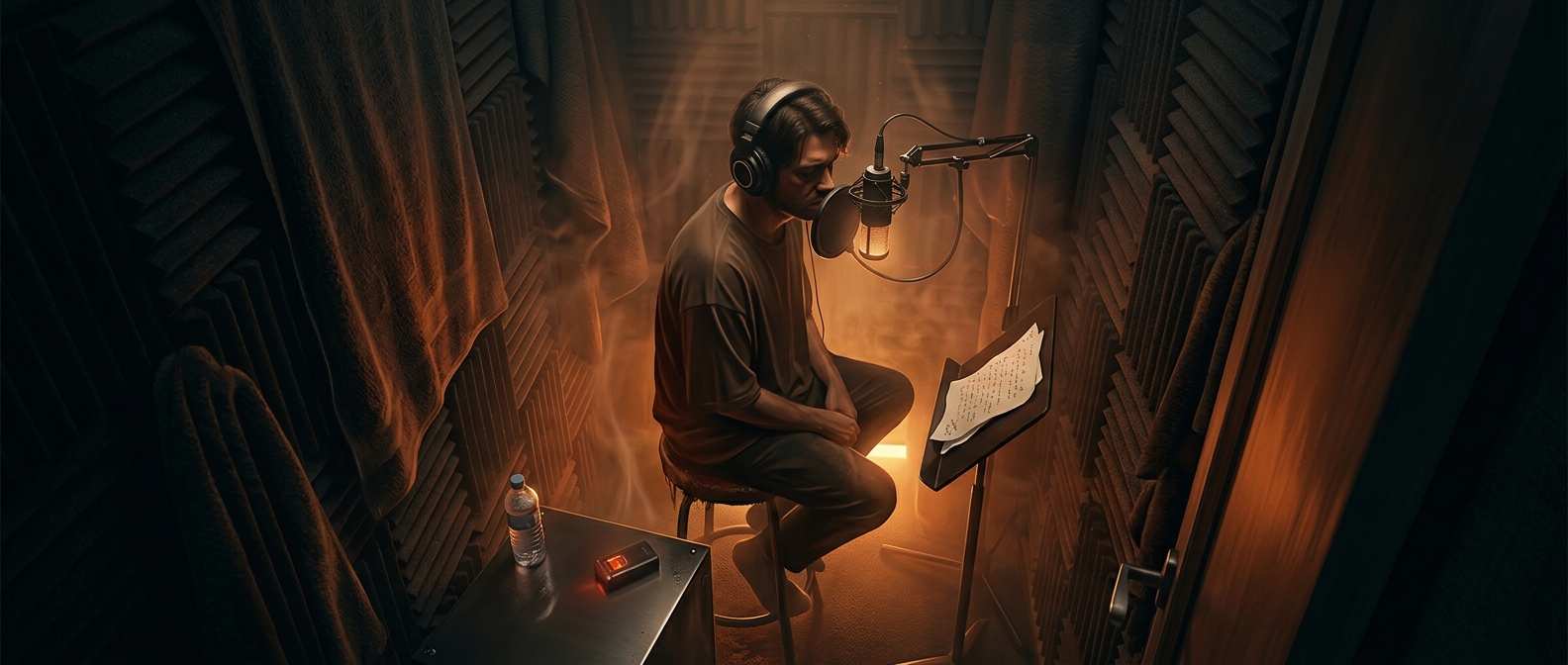
A narrator turns punctuation, dialogue, and description into sound. Pauses can make a change of scene easier to hear; shifts in pace or voice can help distinguish speakers and signal mood. Those choices give listeners cues that a silent page leaves to the reader’s imagination. They also shape the experience: a performance can make a character vivid, while a distracting delivery can pull attention away from the writing.
Audio has a different kind of friction, too. Readers can scan ahead, linger over a sentence, or jump back with a glance. Listeners generally have to adjust playback or wait for the passage to come around again. The format is therefore especially well suited to a steady, unfolding performance—not necessarily to every text or every listening situation.
A Different Route Into the Same Story
For listeners, the practical gain is not that a book demands no effort, but that its effort can be paired with time that might otherwise be unusable for reading. The tradeoff is divided attention: the hands can be busy while the mind remains with the story only when the other task leaves it room. That is why the same audiobook can feel effortless on a familiar walk and frustrating at a busy intersection.