Why a superhero’s death can sell more comics
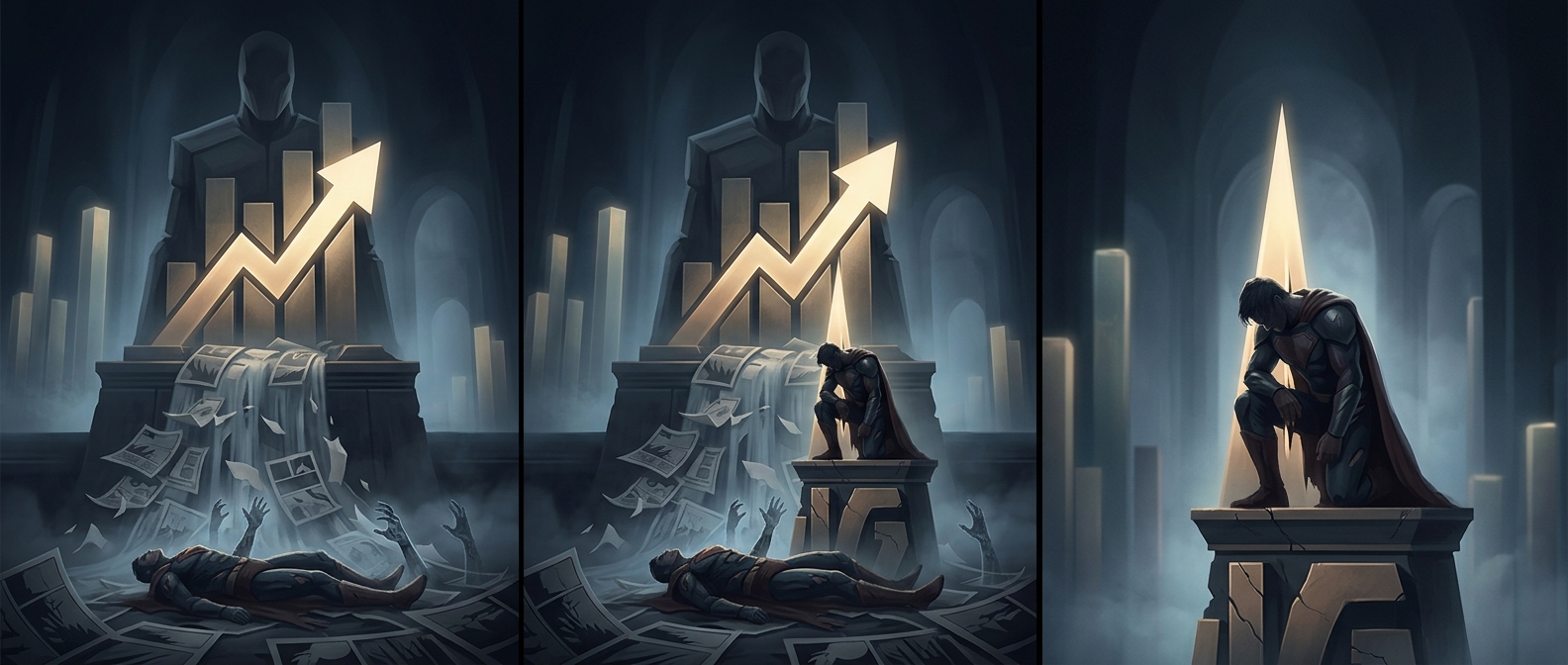
A character’s death gives a monthly series an unusually clear event: readers know something major has happened, and the issue becomes a milestone in the story. Publishers can promote that issue as a turning point, drawing in lapsed readers and people who might not normally follow the series. In a medium built around ongoing installments, a dramatic change can briefly make one issue feel essential.
The cover becomes part of the sales pitch
Variant covers—different cover designs for the same issue—let a publisher offer collectors several versions of a release. A heavily promoted death can make those covers feel like souvenirs of a moment, while retailers may order more copies in anticipation of demand. The plot twist and the marketing reinforce each other: the story creates urgency, and the range of covers gives collectors another reason to pay attention.
A lasting shock, without a permanent loss
Superhero comics often rely on a continuing cast and shared fictional worlds. Killing a popular character can create immediate consequences for friends, teams, and readers, but a later return lets the publisher keep using a character with an established audience. That makes death a powerful, if risky, storytelling device: if readers see it as a meaningful change, it can renew interest; if the return comes too quickly or feels routine, future deaths may carry less weight.
The commercial advantage is that the publisher can sell both the moment of loss and, later, the moment the character comes back—while the story’s emotional impact depends on readers believing the loss matters in between.