When a drawing schedule becomes a physical load
A comic page is not one continuous drawing. It is a string of small, precise actions: sketching, inking, correcting lines, lettering, and adjusting details. When a creator must repeat those actions across many panels on a weekly deadline, the hand and wrist may get little time to recover between sessions.
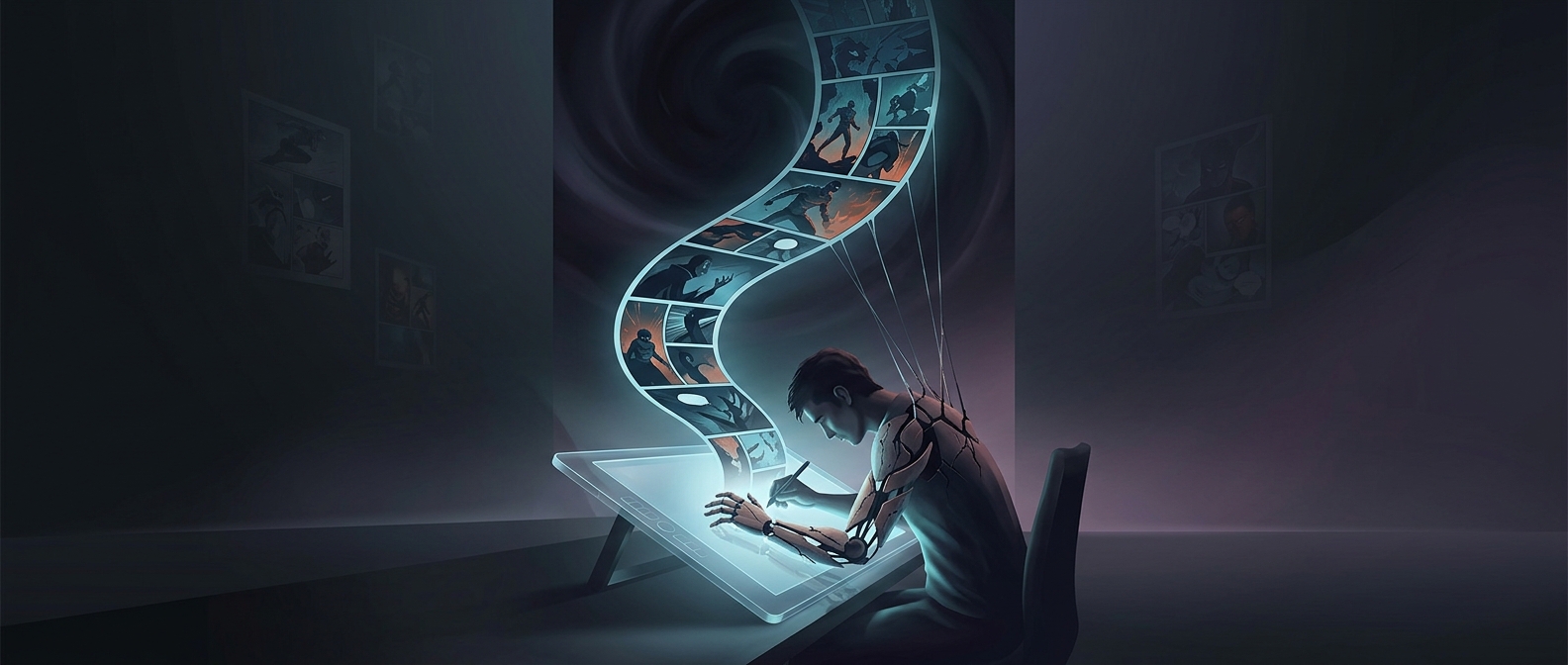
The strain comes from repetition and duration. Drawing often calls for controlled finger and wrist movements, while the arm and shoulder may stay in nearly the same position. Hours of that work can irritate muscles and tendons—the tissues that move and connect the hand—especially when creators push through discomfort to finish pages. Pain, stiffness, or tingling can make the next session harder, turning a temporary ache into a persistent problem.
Why the deadline can deepen the strain
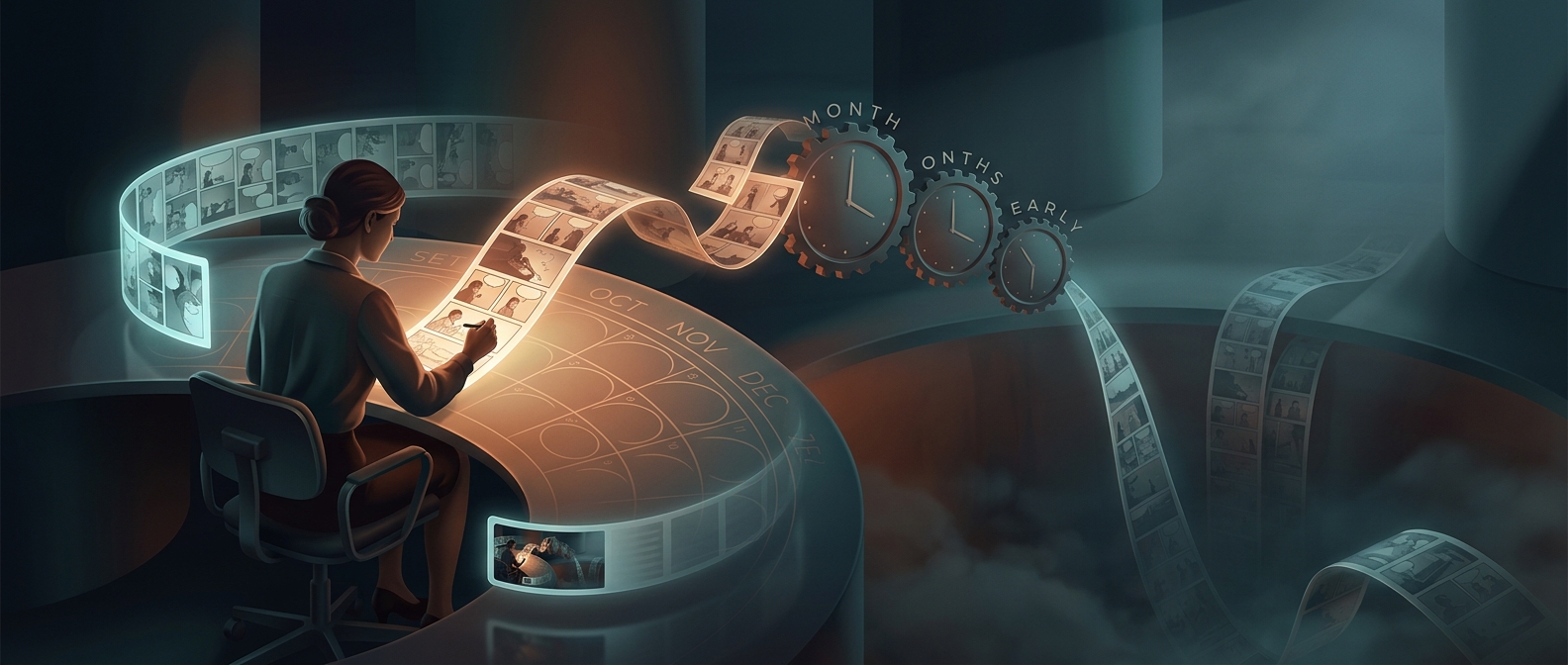
A weekly schedule limits the room to slow down. If a creator falls behind, the immediate pressure is to spend longer at the drawing desk, not to give an overworked hand a break. That can create a punishing loop: discomfort reduces speed, catching up requires more work, and the extra work leaves less time to recover.
Digital tools do not automatically remove the problem. A stylus may replace a pen, but it still requires repeated hand movements and sustained attention. Likewise, changing tools or posture can help some people, but no setup can compensate fully for an unrelenting workload.
The cost reaches beyond the wrist
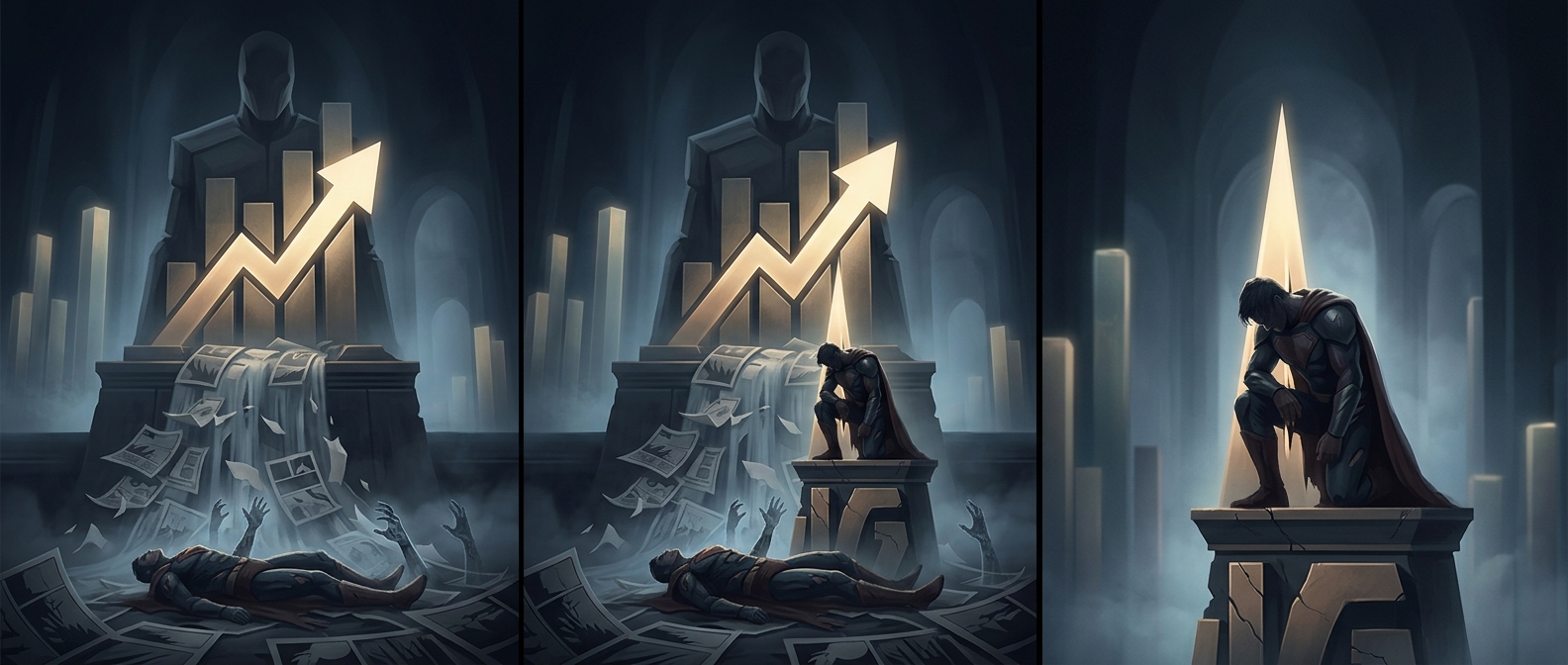
Persistent pain can interfere with the very fine control comic art depends on. And when production becomes a cycle of deadline pressure, fatigue, and recovery squeezed into spare hours, burnout can follow—not simply from drawing, but from having little control over when the work stops. The practical consequence is stark: a schedule built around finished pages can put the creator’s ability to make those pages at risk.