The scroll controls the reveal
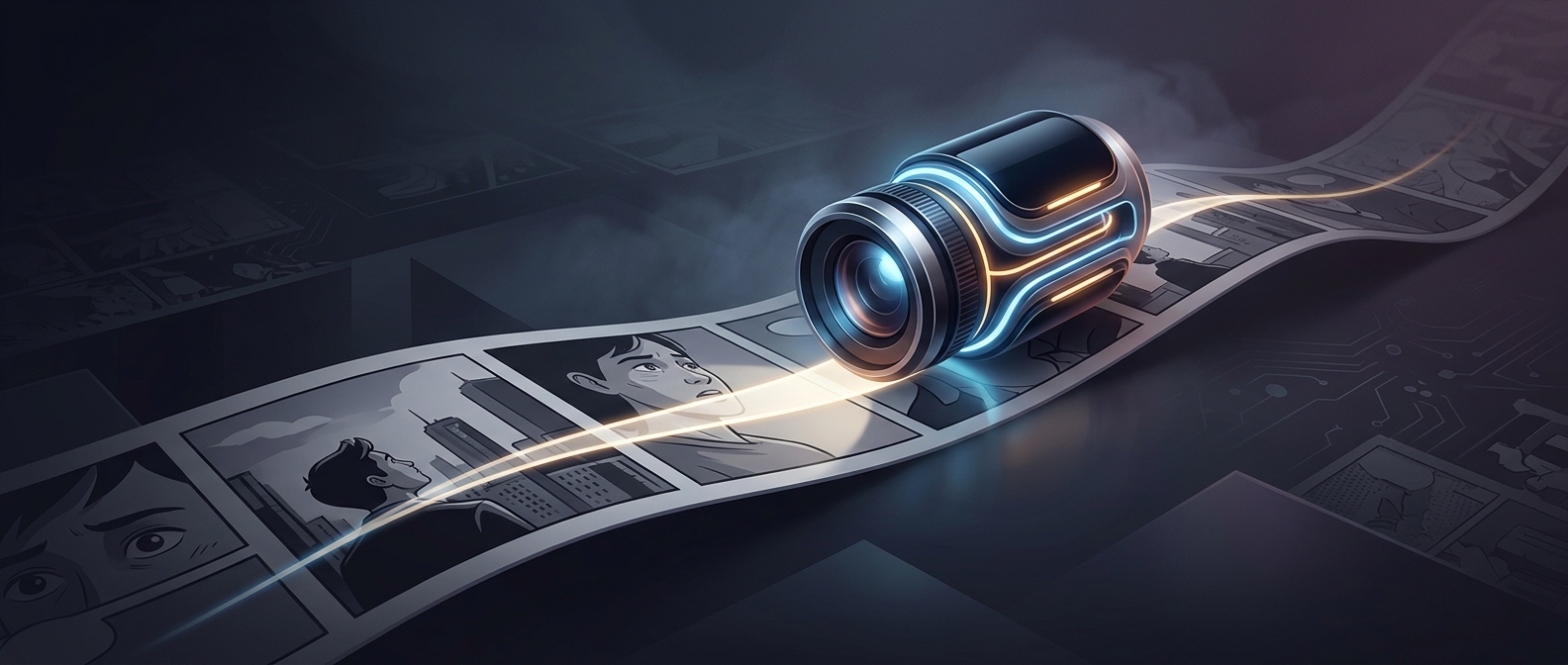
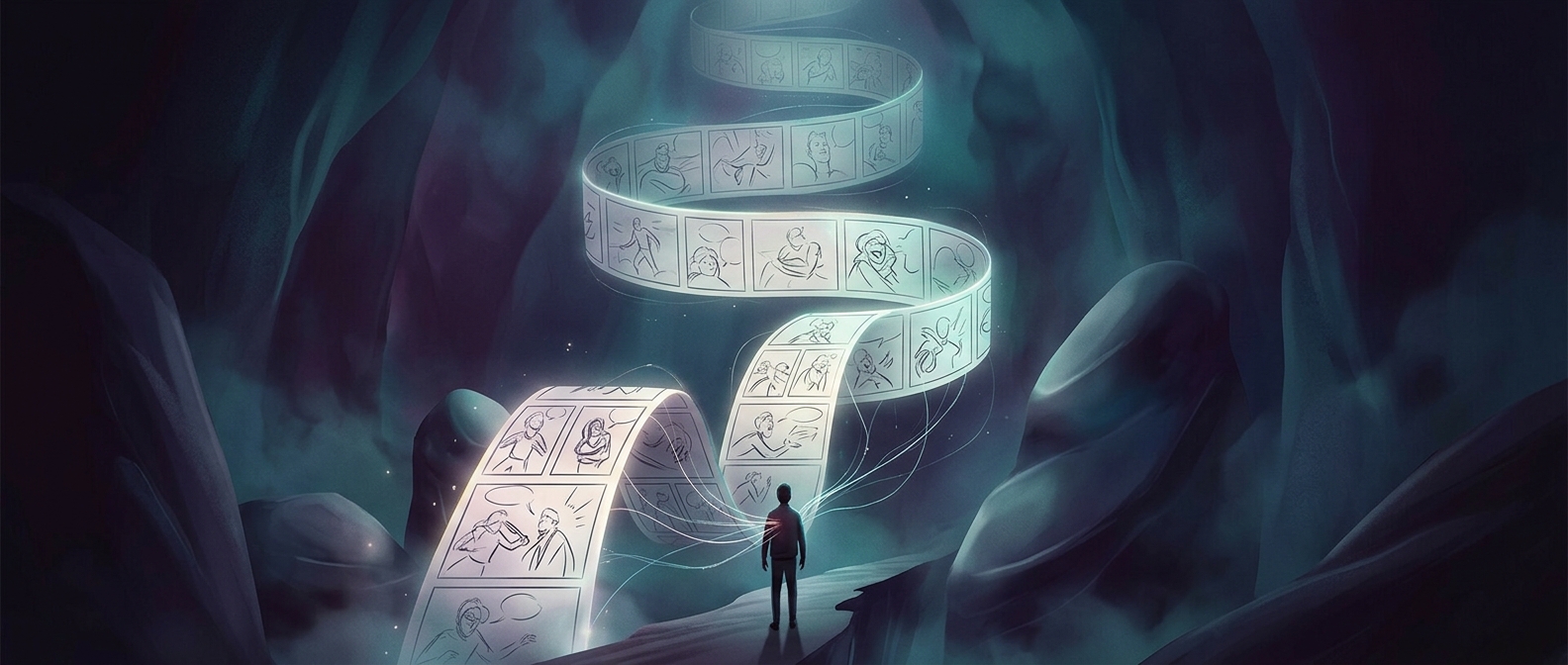
A printed comic gives readers a physical pause at the edge of a page: they turn it, then see the next spread. A vertical webcomic replaces that boundary with a stream. As a reader swipes, the next panel enters the screen a little at a time, so the creator can control when a face, reaction, or surprise comes into view.
That control depends on spacing as much as drawing. A creator can leave a long stretch of blank screen between panels to slow the reader down, or place panels close together to make an exchange feel brisk. A sudden image appearing after a swipe can work like a small reveal—even though the reader is doing the turning with a thumb rather than a page.
One screen changes the composition
On a phone, a traditional page may shrink until its details are hard to see. Vertical comics instead build a sequence for a narrow screen: panels can be stacked, stretched, or separated by empty space. The tradeoff is that readers may not see several panels at once. They get a more legible, step-by-step flow, but less of the page-wide overview that lets them compare images immediately.
Why one more swipe is easy
Page turns create natural stopping points; a continuous feed does not. If a scene ends near the bottom of the screen, the next swipe may already bring the next beat into view. There is no clear physical break to signal that a chapter—or a reading session—has ended. The same format that gives creators fine control over pacing also makes stopping less obvious, which is why a short comic can feel like one more swipe away from being finished.