How Comics Make a Moment Happen Between Panels
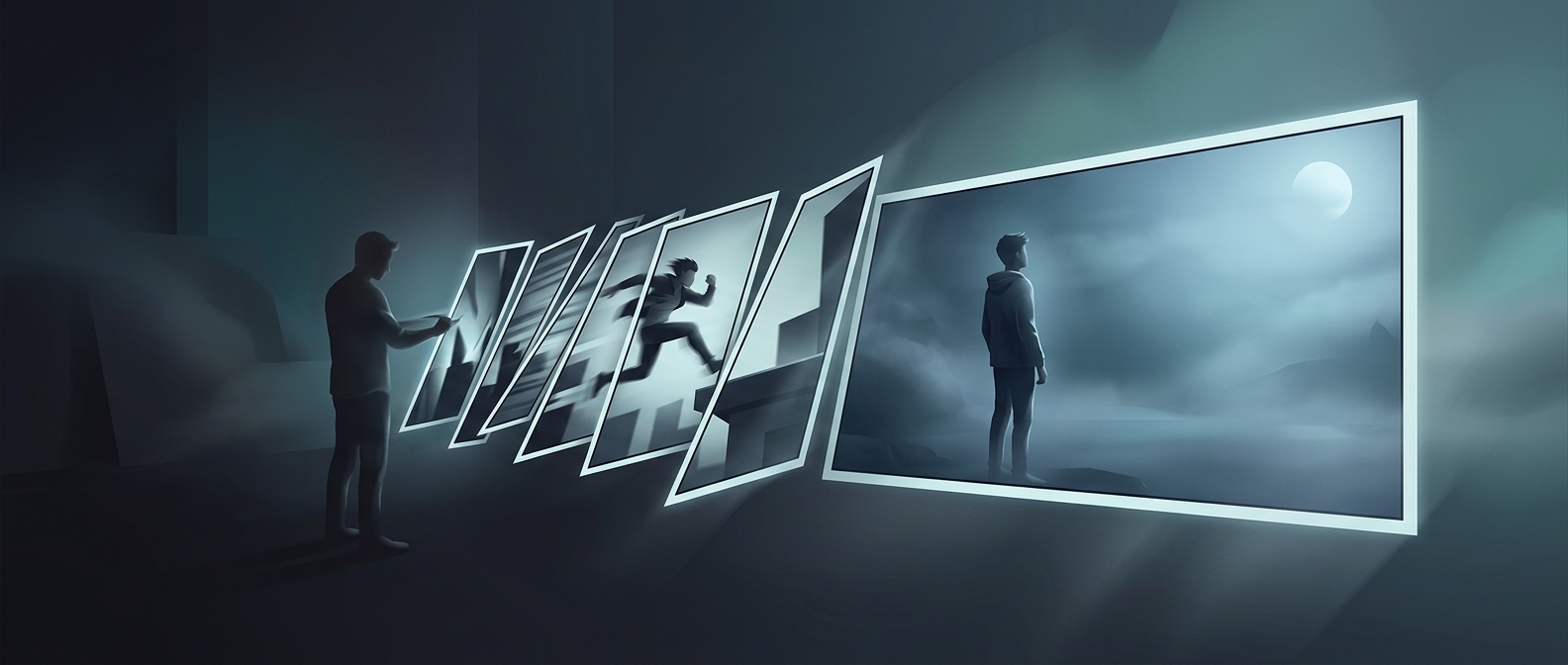
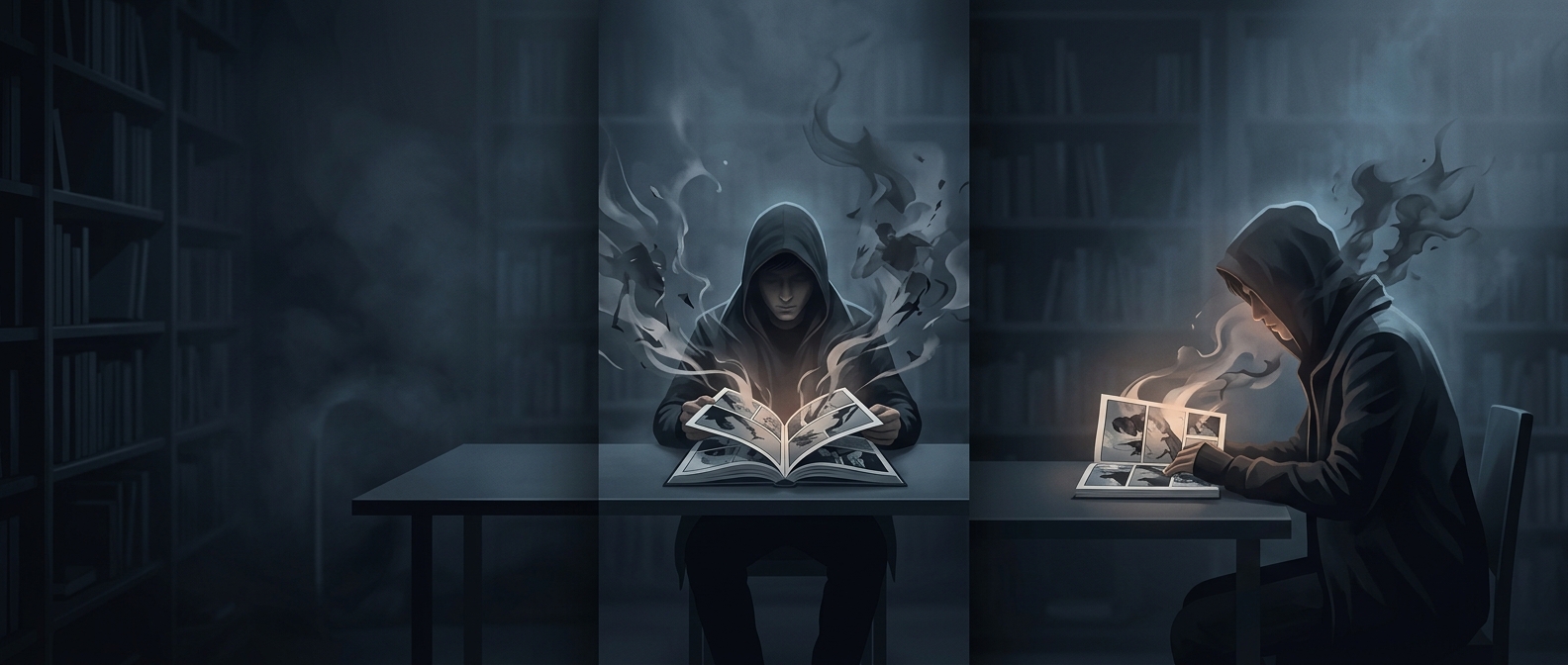
A comic does not need to draw every instant of an action. It can show a character raising a fist in one panel and the aftermath in the next, leaving the reader to connect the two. The empty space between panels is often called the gutter. It is not simply missing information: it gives the reader a small job to do.
That mental step—understanding a continuous event from separate images—is sometimes called closure. The panels provide clues, such as a changing pose, a startled expression, or a new mark on a wall. The reader supplies the movement and impact that cannot fit inside either still image.
The Omission Shapes the Violence
What the artist leaves out can be more unsettling than a fully drawn blow. A cleanly visible action gives the eye a fixed event to inspect; a gap lets the reader imagine its force, sound, and consequences. Because that imagined version comes from the reader, it can feel intensely personal—even when the comic never depicts the most graphic detail.
The technique also gives creators control over emphasis. A close-up before the gap can build dread; a quiet image afterward can make the result land. Changing the size of the panels or the space between them can slow the reader’s passage through the page, stretching the pause before the consequence appears.
Readers Become Part of the Sequence
This is why comics can suggest an action without showing it outright. The artist chooses the evidence and the timing, while the reader constructs the missing instant. The result is a sequence that exists partly on the page and partly in the mind—so sometimes the most disturbing image is the one the comic never draws.