A Memory Card That Could Play Games
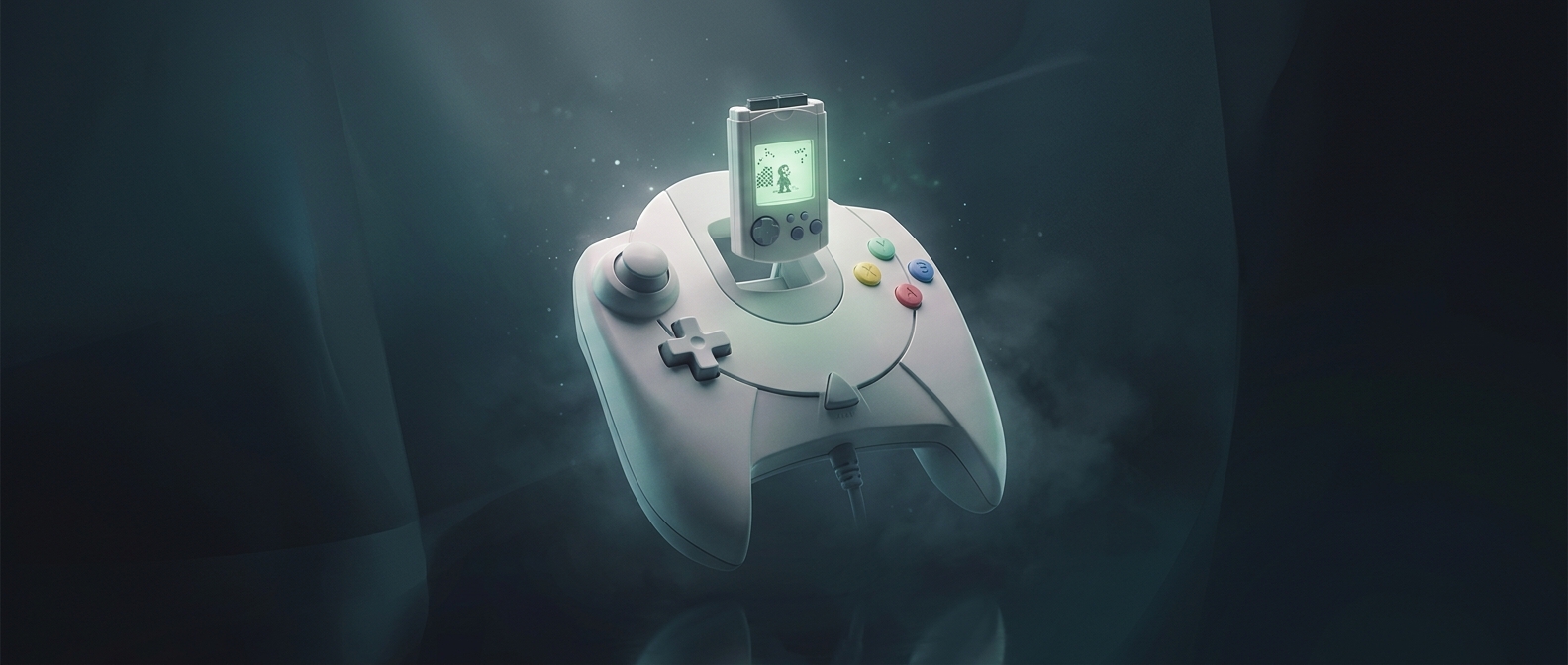
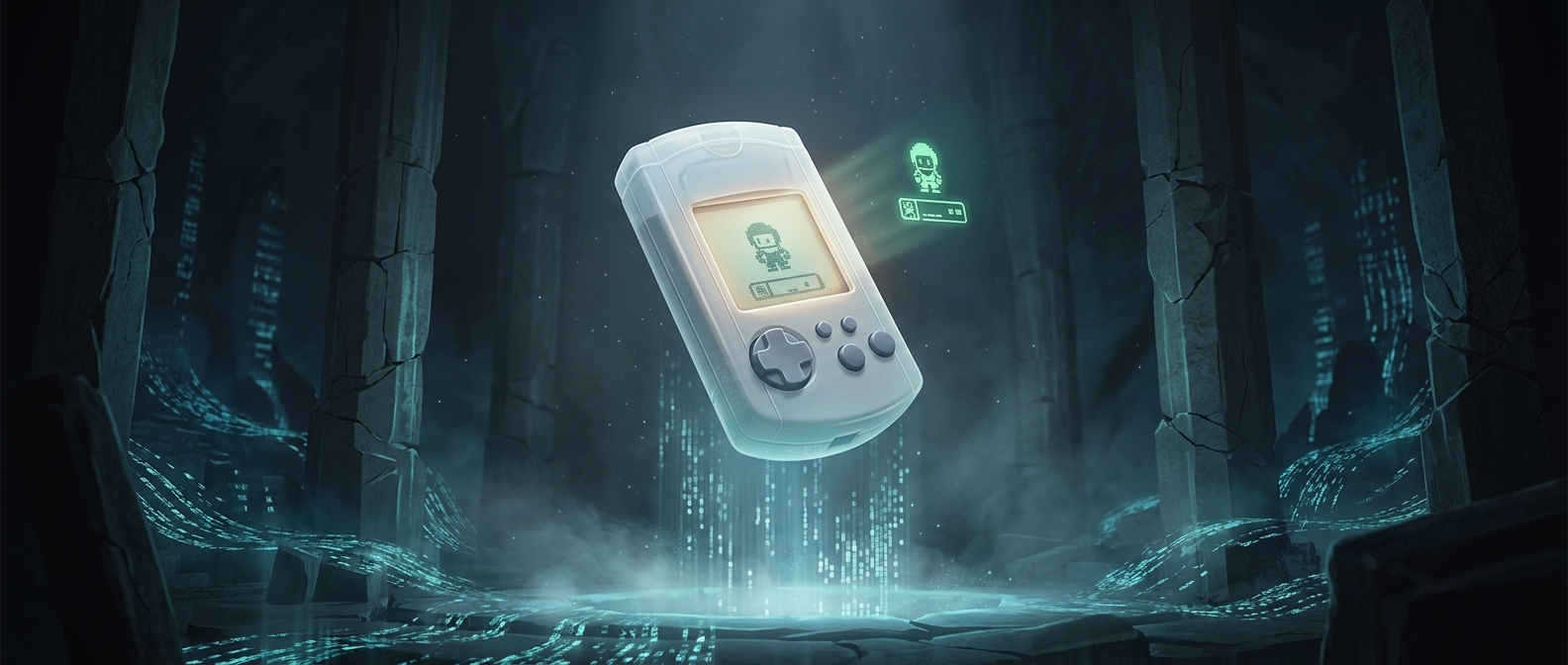
The Dreamcast’s Visual Memory Unit, or VMU, looked like a memory card, but Sega gave it a small screen and buttons of its own. Plugged into a Dreamcast controller, it stored game data; removed, it became a tiny handheld device. That extra role turned a routine accessory into a portable extension of the console.
How the Pocket Pet Worked
Some games could send a digital pet or other mini-game to the VMU. Players could then use its buttons to interact with the creature while away from the Dreamcast. The VMU ran on its own batteries, so it could keep functioning outside the controller; its screen showed simple, low-resolution graphics suited to brief play rather than a full console experience.
The connection worked in both directions. When the VMU went back into a controller, it could exchange data with a compatible Dreamcast game. Progress or items earned in a small side activity could carry back into the larger game, making the pocket device more than a detached novelty.
A Tradeoff Built Into the Design
The VMU’s screen and controls invited developers to design around a second, much smaller display. But the device had limited space and power, so its games had to be simple, and players had to manage its batteries and stored data. Its appeal came from that constraint: a game could follow you out of the living room, then reconnect with the console when you returned.
In effect, Sega made the memory card part of the play experience. A controller accessory could become a pocket-sized companion between sessions.