Why a distant celebrity photo can command a high price
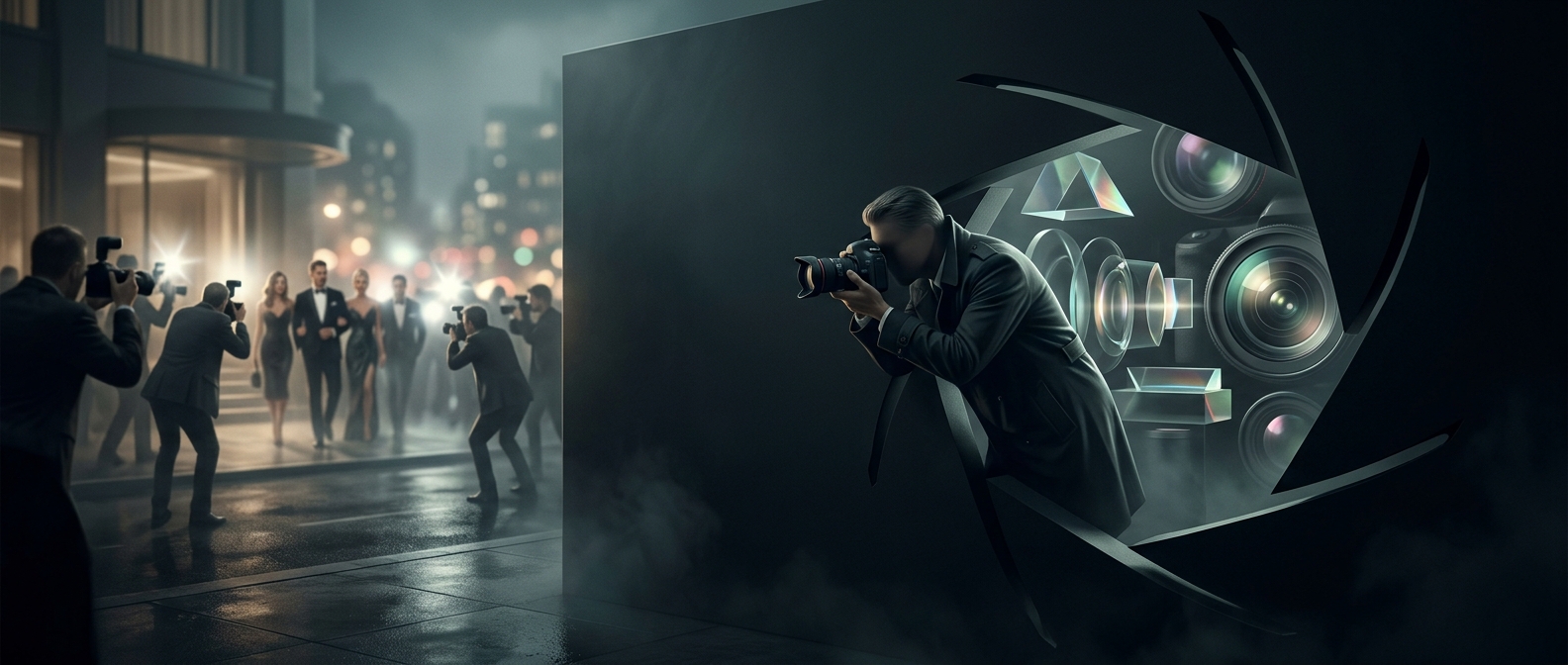
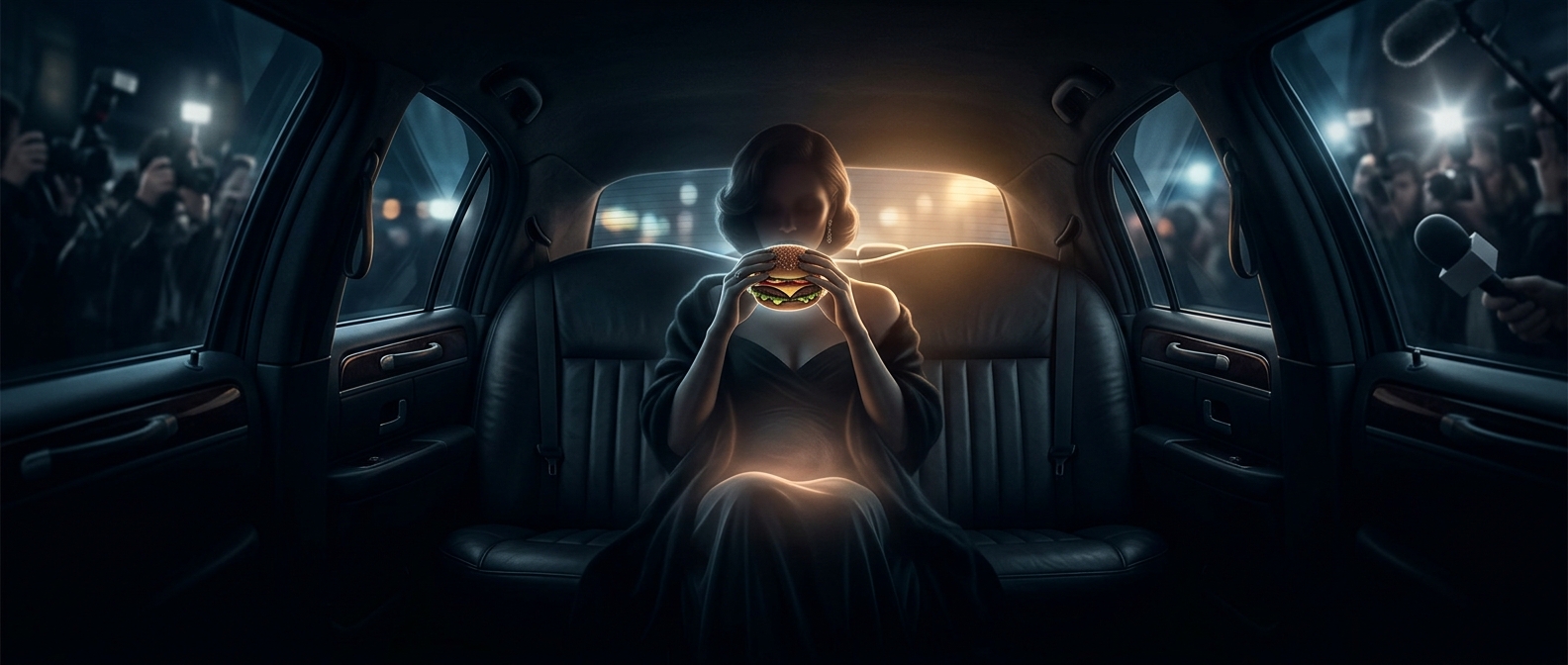
A celebrity picture is valuable to publishers not just for how sharp it is, but for what it can show that other outlets cannot. A photo taken from far away may capture a recognizable person in a revealing setting—a private holiday, a new relationship, or an unexpected meeting. Its distance can become part of the story: the image suggests the subject was not posing for publicity.
Exclusivity is the real commodity
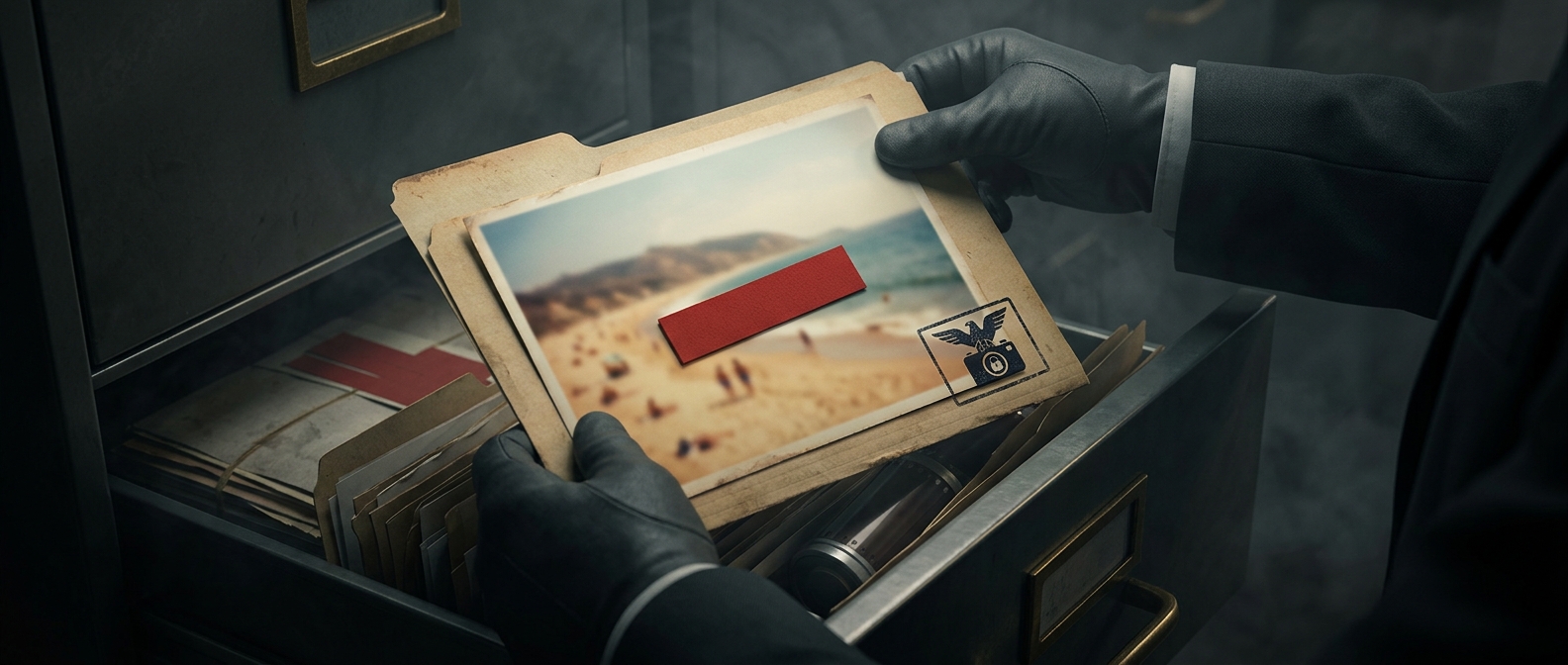
The market often rewards access and timing more than image quality. If one photographer or agency has the only usable picture of a newsworthy moment, magazines and websites may compete to license it before rivals publish. That competition can raise the price. Once the image is widely circulated, its exclusive value usually falls, even if the picture remains visually striking.
A grainy frame can still work if viewers can identify the person and understand the scene. But blur alone does not make a photo valuable. If the subject is unrecognizable or the image cannot support the accompanying claim, editors have less reason to buy it.
The picture has to carry a story
Editors weigh whether an image will attract attention and whether it can be published responsibly. A distant shot may invite curiosity, but it can also leave important details uncertain. The strongest commercial images offer enough visual evidence to make a specific moment legible while preserving the sense that the photographer caught something outside the celebrity’s planned public image.
That is why an imperfect photograph can be worth more than a polished one: its scarcity and news value may outweigh its flaws. The price is attached less to the pixels than to the brief window in which that particular glimpse is both exclusive and publishable.