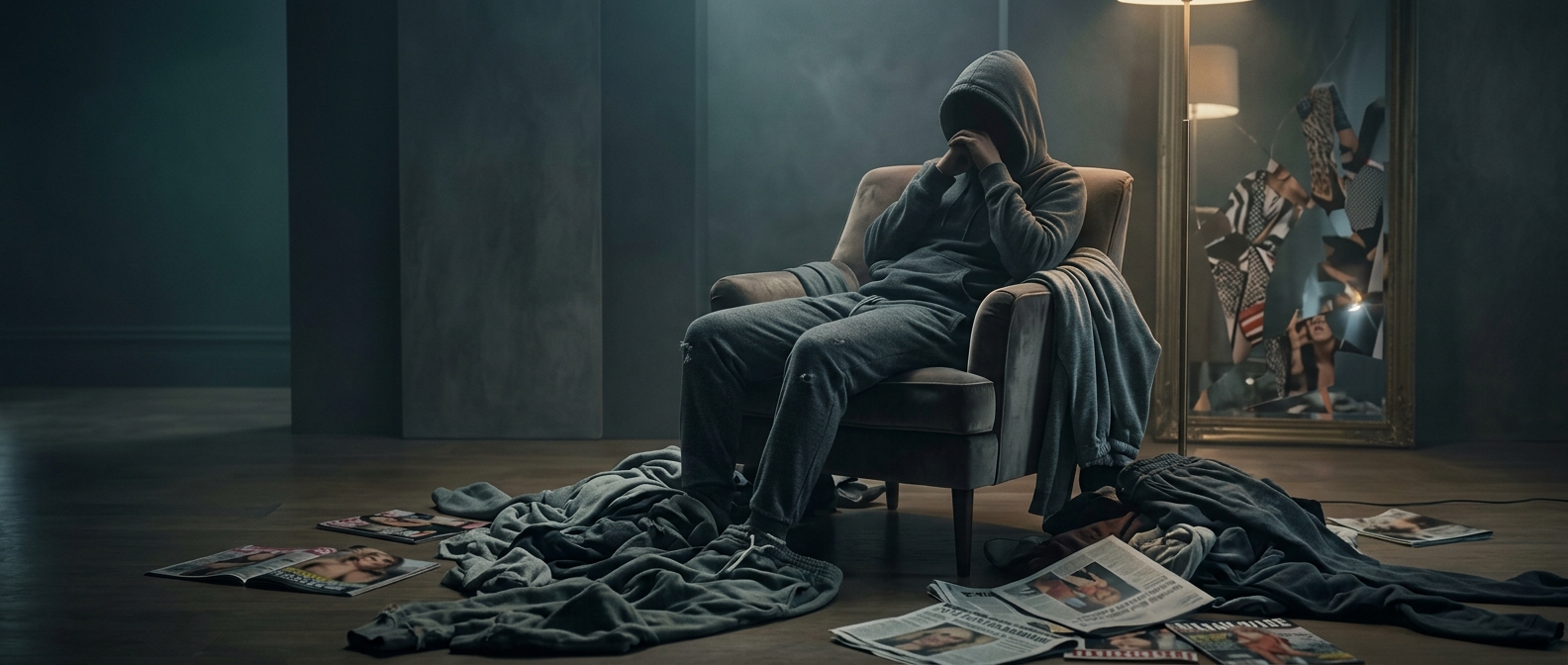
How sweatpants become a celebrity “story”
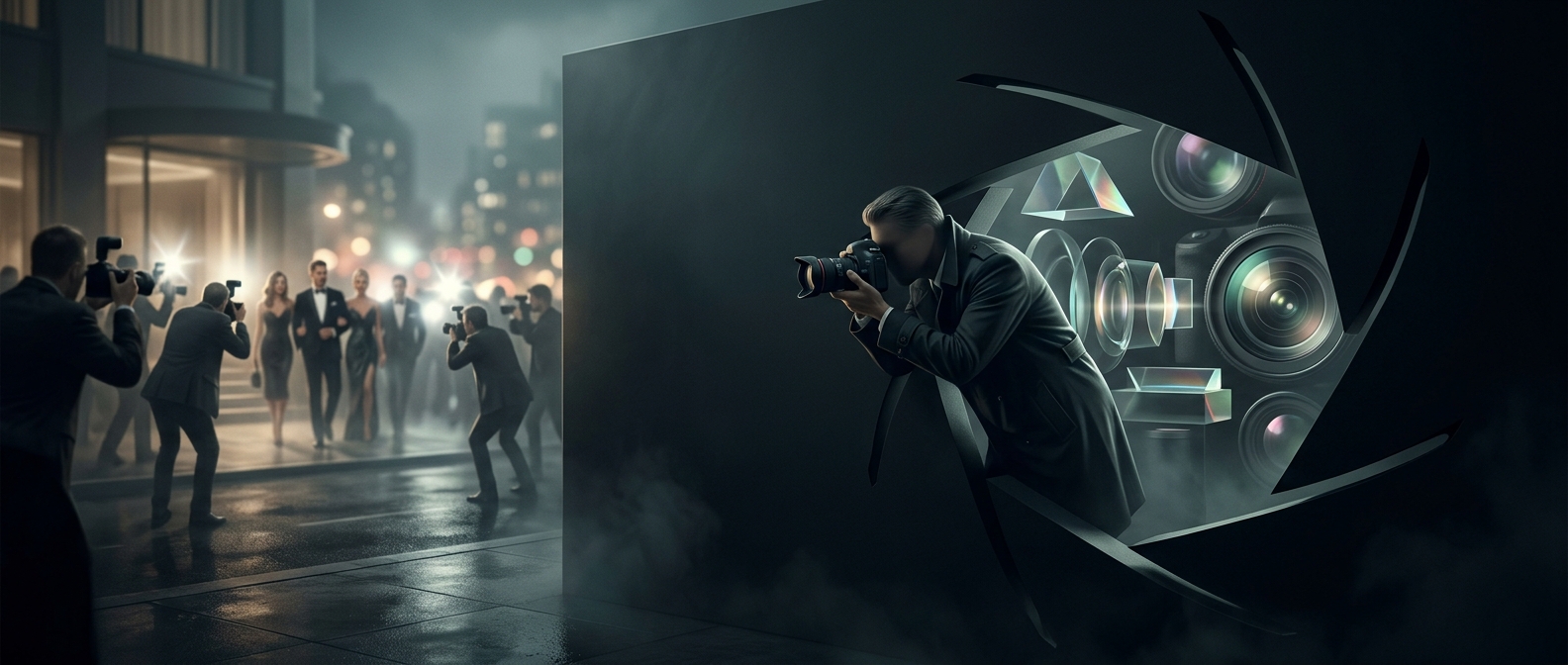
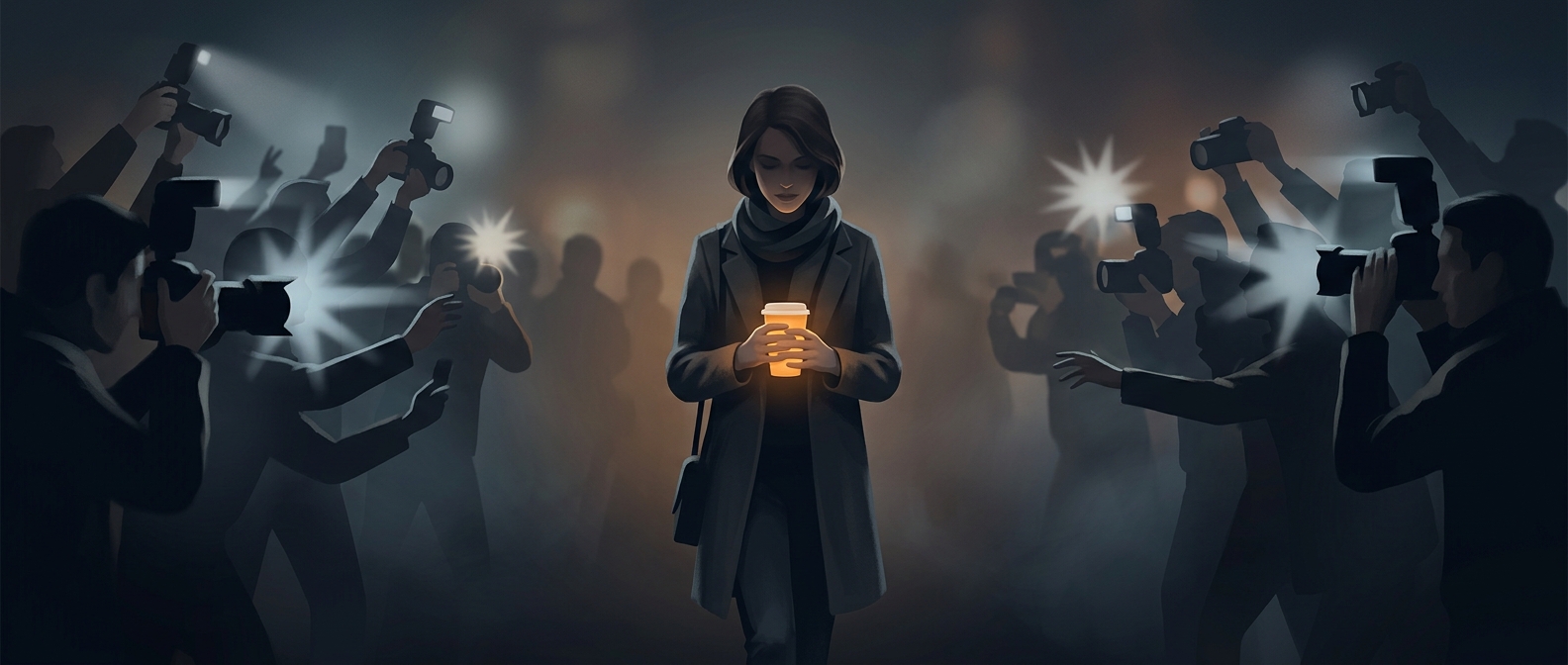
A candid photo shows only a slice of a day: a person walking to a car, carrying coffee, or running an errand. It cannot show why they chose an outfit or how they feel. But celebrity coverage often turns that small visual clue into a larger story. When someone known for polished appearances is photographed in sweatpants, the contrast itself can make the image seem newsworthy.
The clothes are easy to describe; the motive is not. A headline that links casual dress to depression fills that gap with a dramatic explanation, even though the same outfit could simply be comfortable, practical, or appropriate for a private moment.
Why the interpretation sticks
Celebrity images arrive with expectations attached. Publicity photos, red-carpet looks, and carefully styled appearances teach audiences to treat a star’s image as part of the performance. An unstyled outfit can then look like a departure—and departures invite speculation.
That framing also gives a photo a plot: the celebrity is supposedly struggling, withdrawing, or “letting themselves go.” The plot can make an ordinary errand feel like evidence of a hidden personal crisis. But clothing is not a reliable measure of mood. Depression is not something a passerby can diagnose from a single outfit, and the image leaves out the person’s reasons for dressing that way.
What the photograph leaves out
The result is a familiar media shortcut: an ambiguous appearance becomes a claim about someone’s inner life. Readers may absorb the diagnosis-like label even when the picture supports only a simpler observation—that the celebrity wore comfortable clothes in public. The distinction matters because it turns a private health condition into a visual judgment, while making ordinary comfort seem like a warning sign.