The market for a reaction
A paparazzi photograph is valuable not only because of who appears in it, but because it captures a moment that feels revealing. A composed celebrity walking to a car may be easy to ignore; a visible burst of anger can suggest conflict, vulnerability, or a story unfolding. Editors and audiences may therefore place a premium on images that seem dramatic, giving photographers an incentive to pursue reactions rather than simply document arrivals and departures.
How provocation becomes the picture
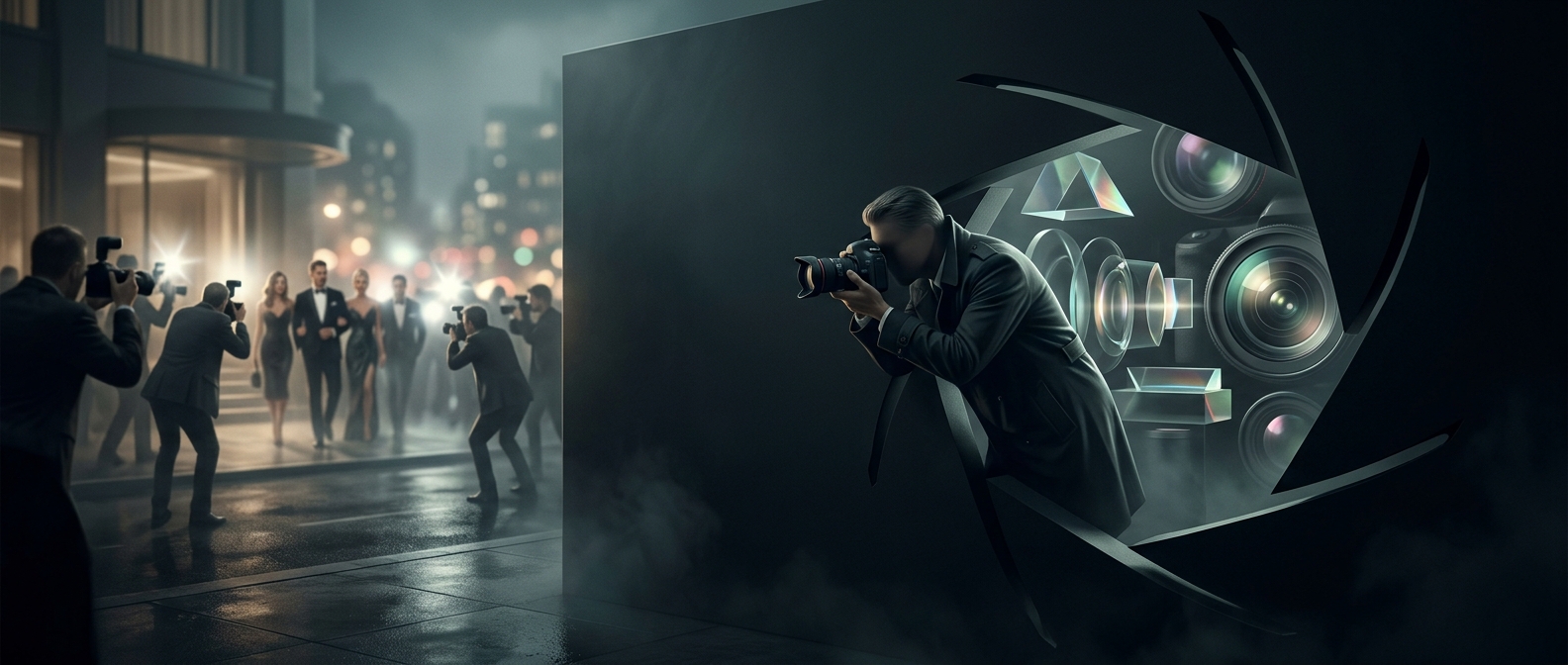
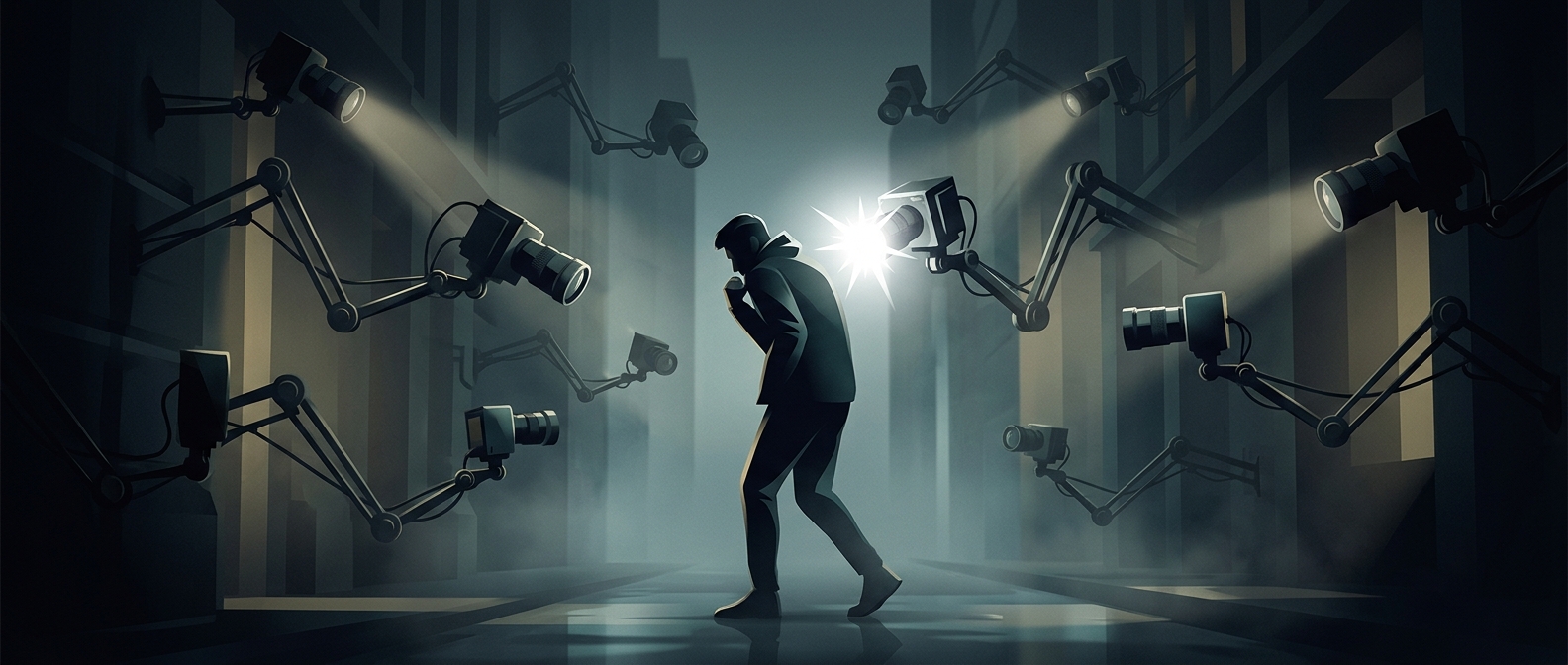
The camera’s presence can itself become part of the encounter. Photographers may crowd a person, block a route, shout insults, or fire bright flashes. Those tactics can make it harder to move on privately and can produce the very expression the camera is waiting for: a glare, an argument, or an attempt to push through.
That creates a feedback loop. The confrontation makes a more arresting image; the image can attract attention and sell; and the prospect of a more valuable frame rewards tactics likely to provoke another confrontation. The resulting photograph may look like a spontaneous outburst, even though the circumstances around the camera helped shape it.
A scene with two authors
This does not mean every tense celebrity photo is staged, or that a photographer can control how someone responds. But it does complicate the idea that the camera merely records a moment. In these encounters, the subject supplies the reaction while the photographer may help create the pressure that brings it out. The image can then travel without that context, leaving viewers to see an angry celebrity but not the crowd and tactics that helped produce the scene.