The Copyrighted-Artwork Gambit
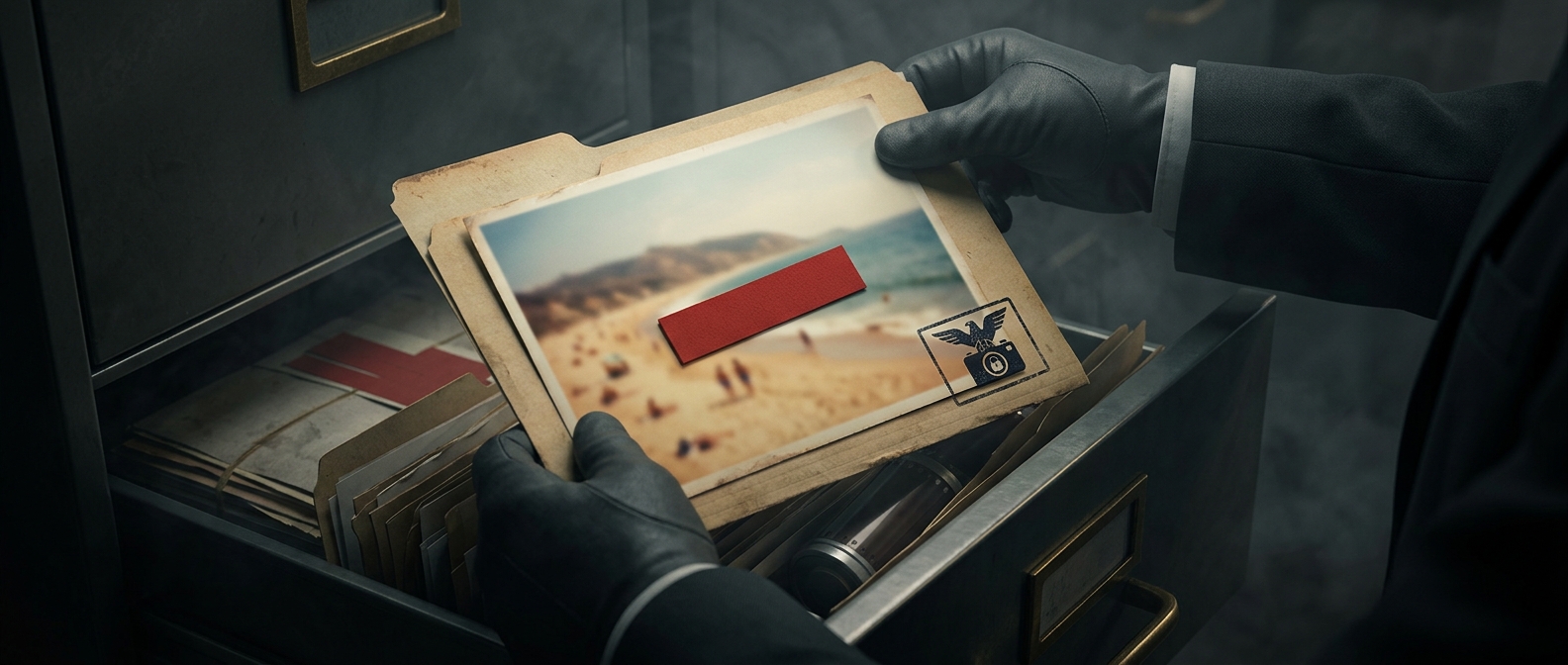
One reported tactic is to make sure a paparazzi shot includes artwork the celebrity does not own—for example, by carrying or wearing a conspicuous copyrighted image. The photographer may own the copyright in the photograph, but that does not automatically grant permission to reproduce every protected work visible in it. If a tabloid publishes the image, the artwork’s rights holder could potentially object or seek payment, making the picture riskier and less attractive to use.
Why It Is Not an Automatic Block
Copyright does not create a universal “no publication” zone around an artwork. Whether its appearance in a photo requires permission depends on details such as how prominent the work is, how it is used, and the law that applies. In the United States, a publisher might argue that the use is fair use—a case-specific legal defense, not a blanket exemption. The photographer’s copyright in the photo and the artist’s copyright in the artwork are separate rights, and disputes can turn on the particular image and publication.
So the tactic is better understood as adding a legal complication, not making every photograph unpublishable. A celebrity can create a potential clearance problem; the rights holder, not the celebrity, generally controls the artwork’s copyright. The tabloid may decide the image is not worth the legal review or risk, but it could also publish if it has permission or a defensible legal basis.
That distinction explains the gambit’s appeal: it aims to change the economics of a shot. If a picture needs extra legal scrutiny before it can run, a fast-moving tabloid may prefer another image—even though the artwork alone cannot guarantee that the paparazzi photo stays out of print.