Distance can replace access
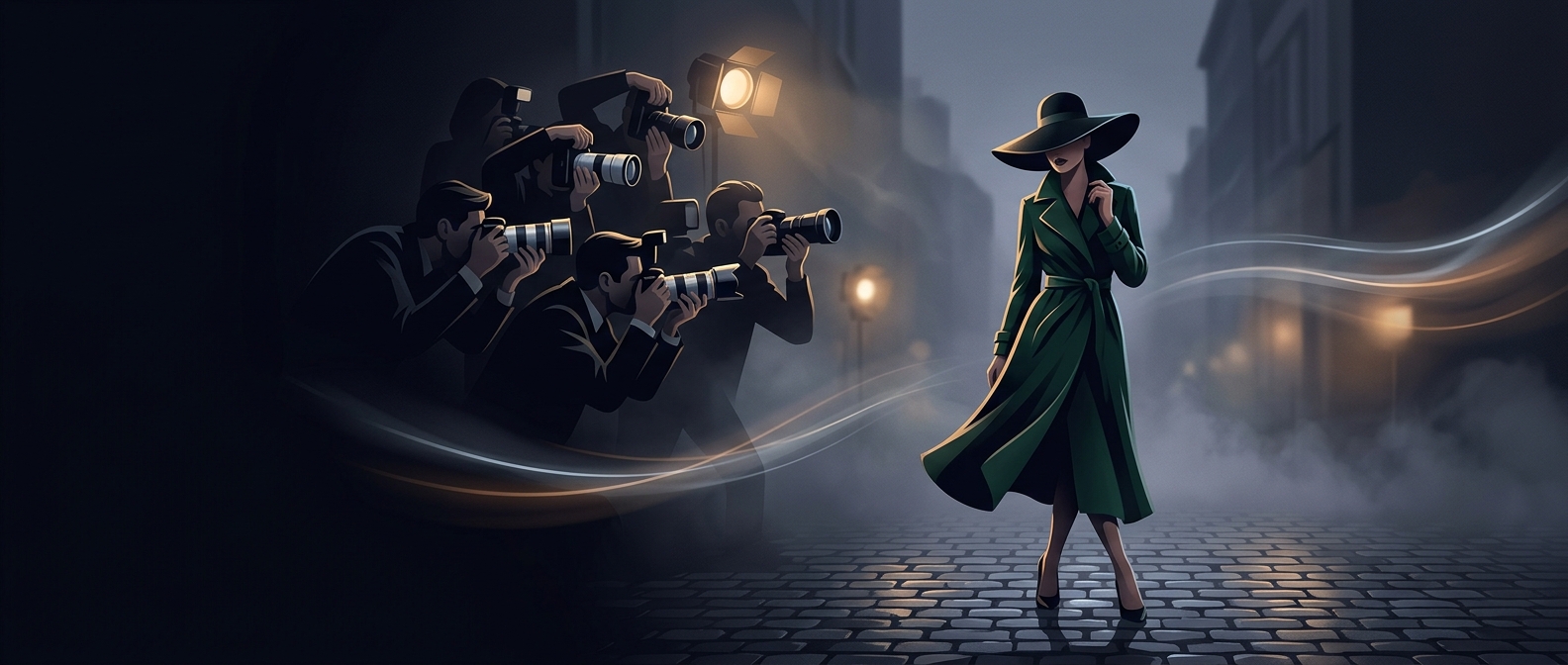
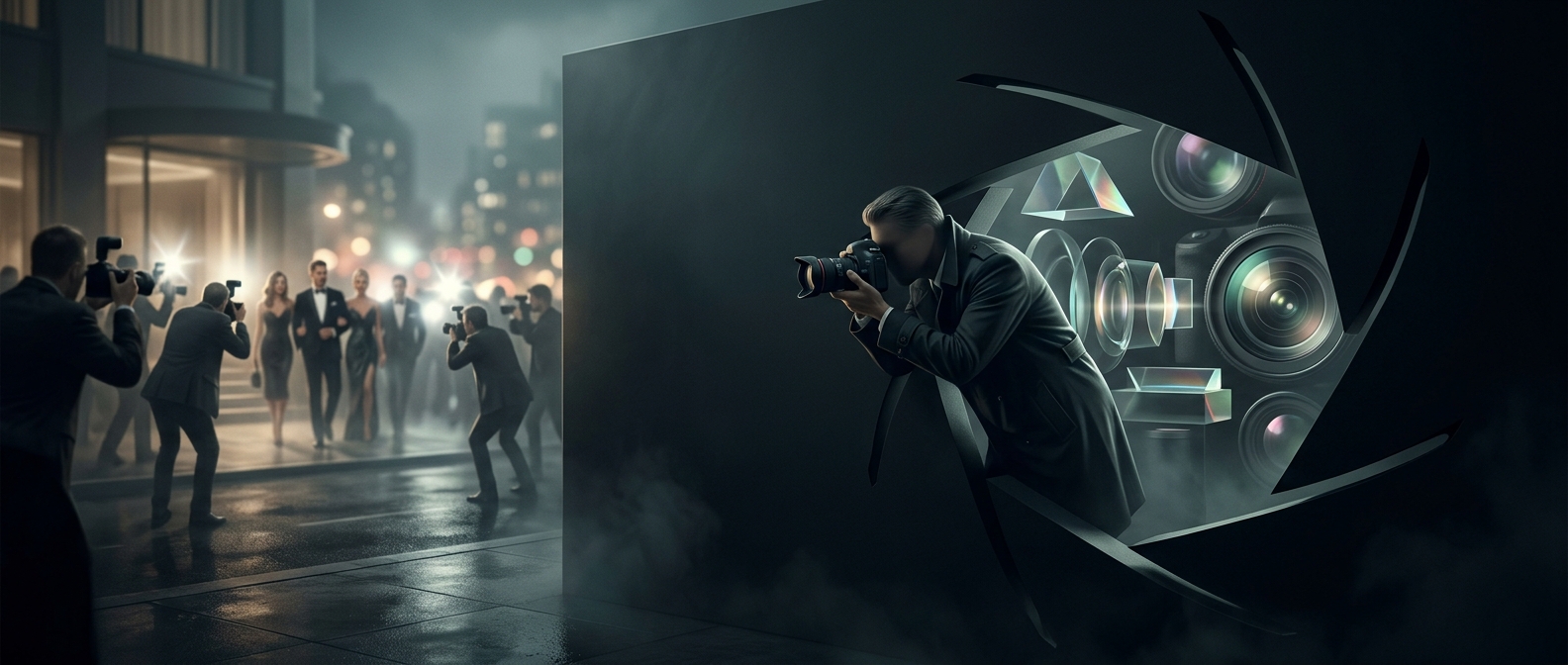
A long telephoto lens makes a faraway subject fill more of the frame. Its narrow field of view captures a small slice of the scene, so a photographer can frame a person without standing nearby or entering the property where that person is staying. From a public sidewalk, road, or other lawful vantage point, the camera may reach across a much greater distance than an ordinary lens can.
That changes the practical boundary of celebrity photography. A fence or a closed gate can keep photographers out, but it cannot necessarily block a clear line of sight from outside. The lens does not see through walls; it makes visible details appear larger when they are already unobstructed.
A legal vantage point is not a universal permission slip
The “loophole” is the gap between physical access and visual access. Being on public property can avoid trespassing, but it does not automatically make every photograph lawful. Rules can depend on where the subject is, what the image shows, how the photographer obtained it, and local privacy and harassment laws. A public place may be legally accessible while a particular act of surveillance or publication still raises separate issues.
Long-distance shooting also has practical limits. A narrow frame is difficult to keep steady, and haze, heat shimmer, low light, or an obstructed view can soften the image. Even so, when the sightline is clear, a photographer may be able to document a private moment without crossing the property line—a reminder that a barrier can stop a person more easily than it stops a view.