How a “candid” photo gets arranged
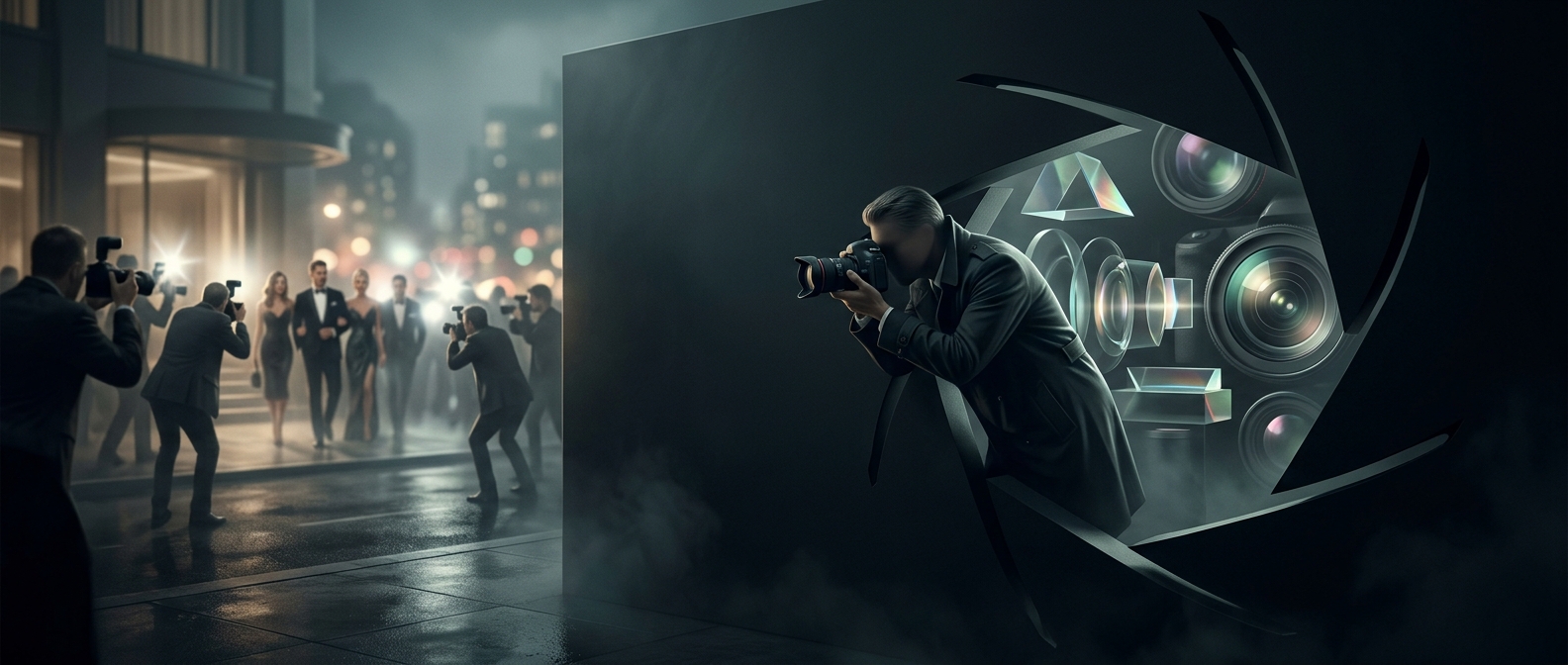
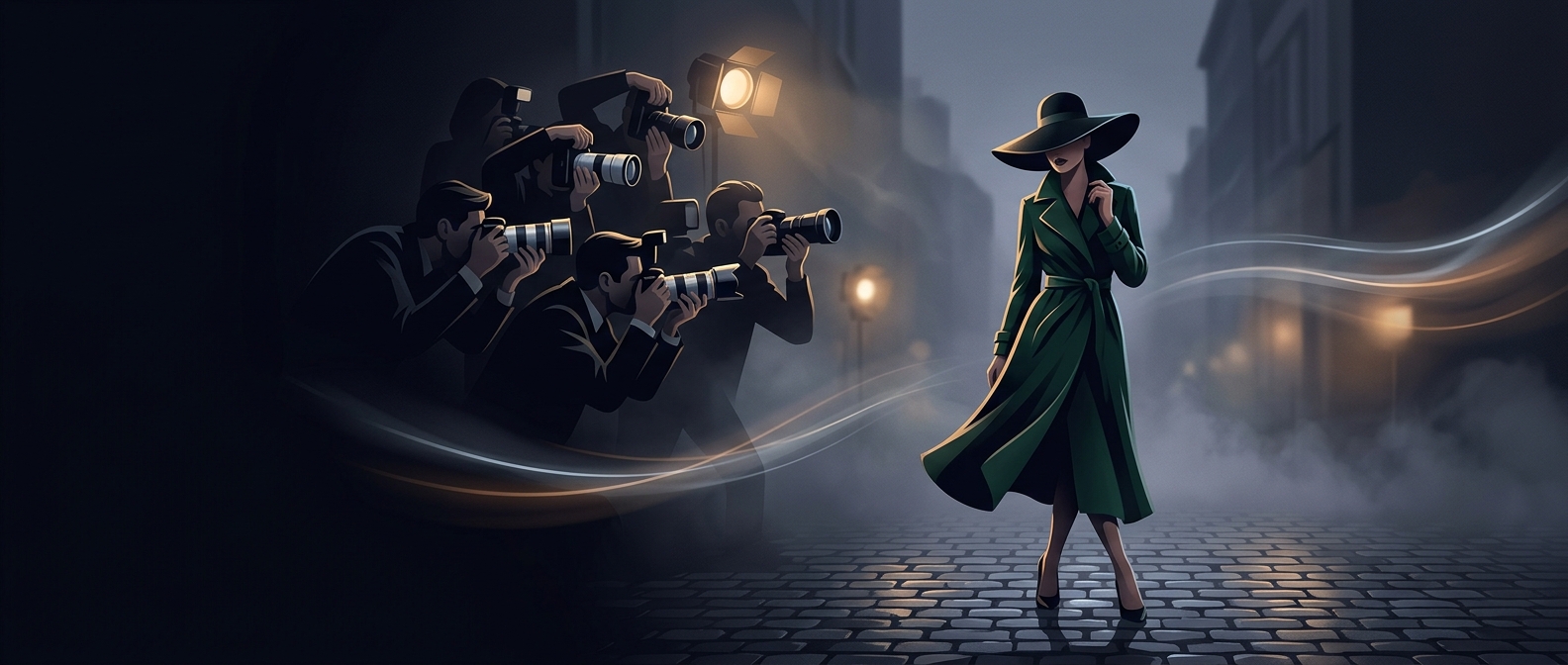
A celebrity’s coffee run can be real in one sense and staged in another: the errand happens, but the moment a camera records it may have been coordinated. A publicist or another representative can alert photographers to a person’s location, while the celebrity chooses an outfit suited to being seen. The result looks like an accidental glimpse of private life, even though someone helped create the opportunity for the picture.
Why make it look unplanned?
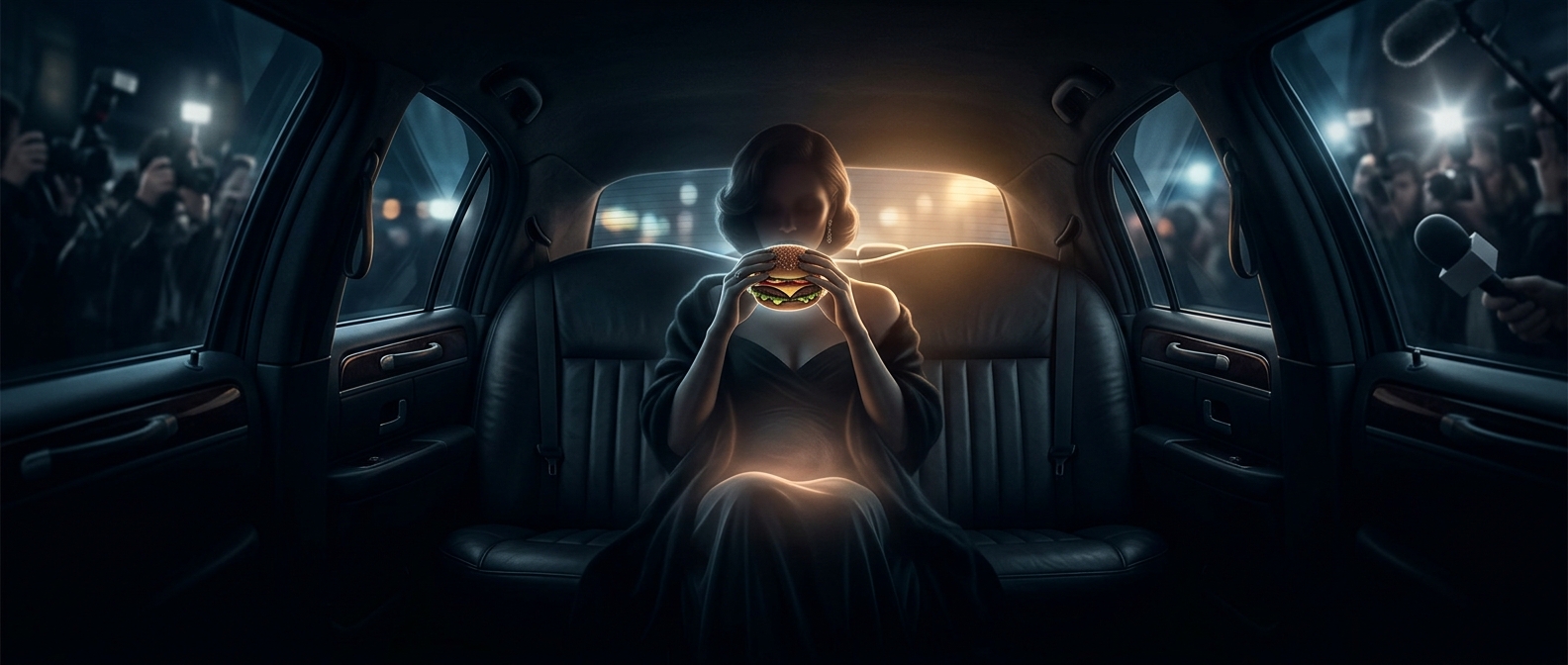
The appearance of spontaneity is part of the appeal. A formal portrait announces that it is publicity; a photo of someone carrying a drink or stepping out of a car can feel like access to an ordinary moment. That impression can make an image more engaging and easier to circulate in entertainment coverage and online.
The performance may include a frown, a turned face, or apparent irritation at the cameras. Those gestures suggest that the celebrity did not seek attention, even when the encounter was anticipated. The key distinction is between a genuinely unexpected sighting and a real outing arranged to produce a seemingly accidental image.
A photo op with competing interests
Photographers get a predictable chance to capture a recognizable subject. The celebrity, meanwhile, can shape what the public sees—choosing the setting, timing, clothing, or visible mood—without posing for an overt publicity shot. It is a form of image-making that borrows the look of everyday life.
That does not mean every street photograph is planned, or that a picture alone can establish whether one was. But once audiences know how such encounters can be arranged, an apparently spontaneous snapshot becomes harder to read as simple evidence of what a celebrity’s private day was like.