When a Byproduct Became the Better Business
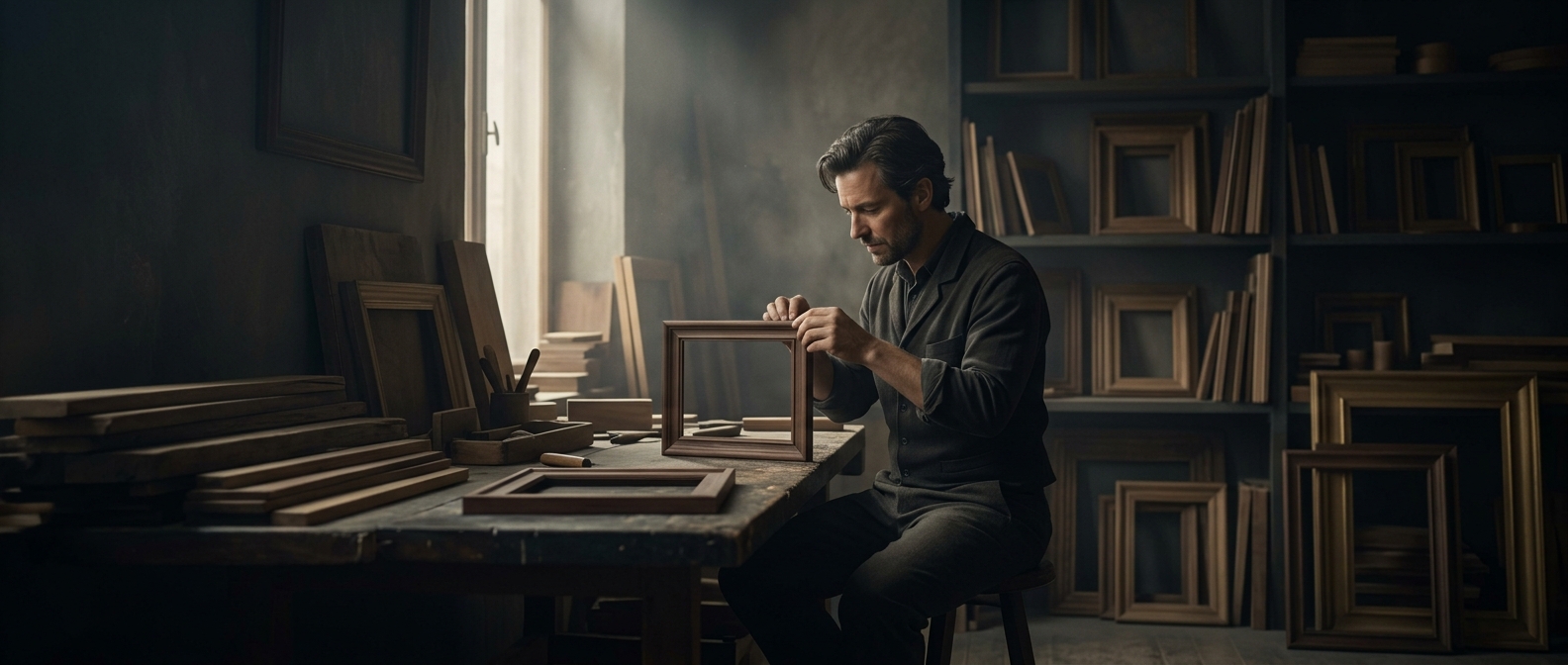
Picture-frame production left Elliot Handler with small pieces of scrap wood: too little for another frame, but suitable for tiny dollhouse chairs. Turning the offcuts into miniature furniture made practical use of material that might otherwise have gone to waste—and gave customers a product they wanted.
Sales Changed the Company’s Priorities
The chairs’ success mattered for more than the extra revenue. A product that began as a way to use leftover material eventually sold better than the frames themselves. That gave the business a clear signal: its strongest opportunity was no longer the product it had started with.
For a small company, following that signal can mean shifting labor, materials, and attention toward what customers are actually buying. The dollhouse furniture wasn’t just a clever side project; its sales changed which line of work made sense to expand.
The Scraps Pointed Toward a New Business
The episode captures a basic economic idea: a leftover input can become valuable when someone finds a use for it. But the decisive factor was not simply saving wood. It was discovering demand for the chairs. Once they outsold the frames, the offcuts had helped reveal a bigger business—and Mattel’s future lay in toys rather than picture frames.