In Zero Escape, a bad ending can be useful
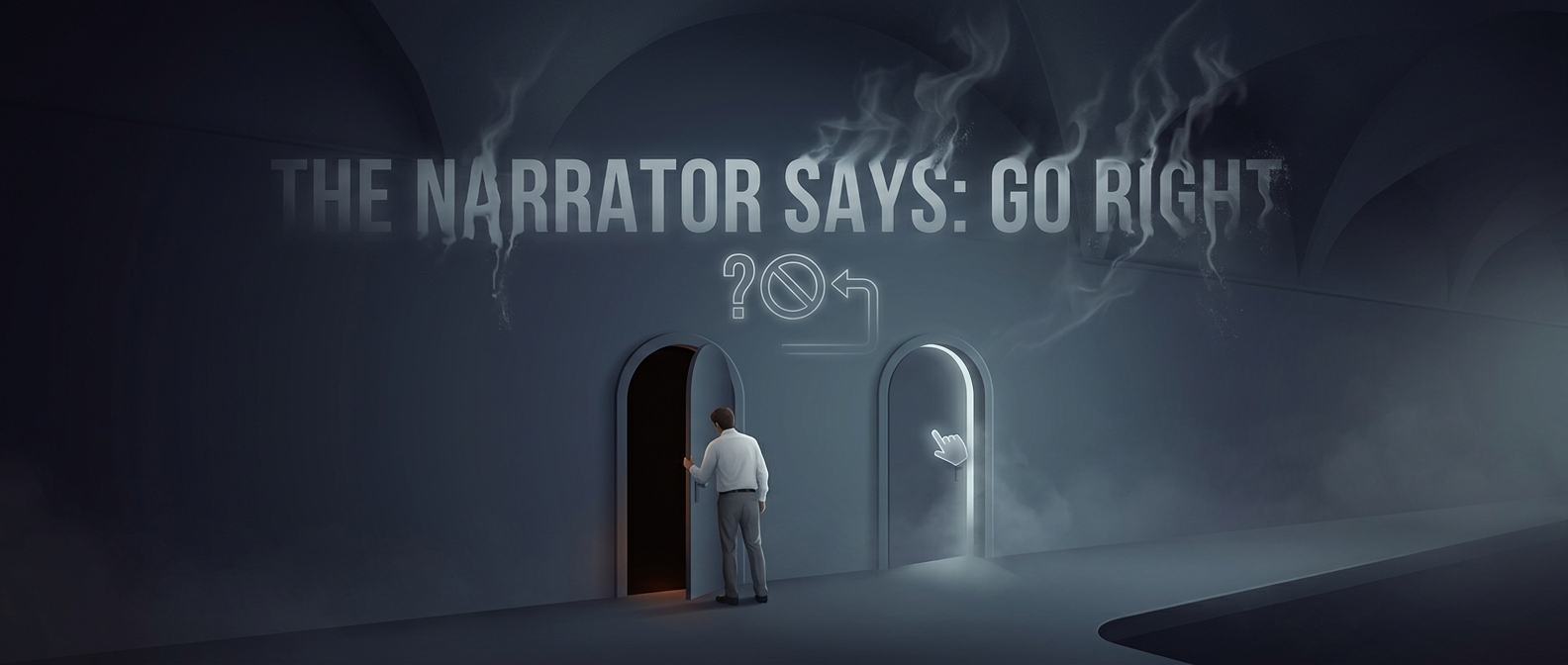
Many visual novels treat a choice as a fork: pick one route, see its ending, then replay to explore another. Zero Escape makes that structure part of the challenge. A locked door in one route may require a numerical code revealed only after a different route reaches its end—including, sometimes, a fatal one.
That turns failure into information. A character’s death is still a grim story consequence, but the route may also expose a password, explain a clue, or establish what happened in another version of events. The player must remember those discoveries and bring them back to a route where the characters can survive.
The flowchart works like a puzzle board
The series’ flowchart shows the major branches of the story and lets players revisit earlier decision points. Instead of treating that map as a menu for collecting endings, the games use it to connect pieces of knowledge gathered across routes.
The central device is that the protagonist can retain memories from alternate timelines. That premise gives the player’s own process—seeing an outcome, returning to a choice, and trying again—a place in the fiction. A password learned in one branch can matter in another because the story allows knowledge to cross between them.
Why the structure changes the choices
In a conventional branching story, a bad choice usually means seeing a different scene and replaying. Here, a dead end can be a necessary step toward progress. The player may deliberately choose an option that seems dangerous, not because it is the morally best decision, but because the resulting route could reveal information the successful route lacks.
The result is a puzzle built from narrative branches. The next obstacle may not be solved by searching a room more carefully; it may require remembering what another timeline taught you. A failed route can therefore become the key that lets the characters pass through a door in the one where they are still alive.