Cooperation becomes the setup for conflict
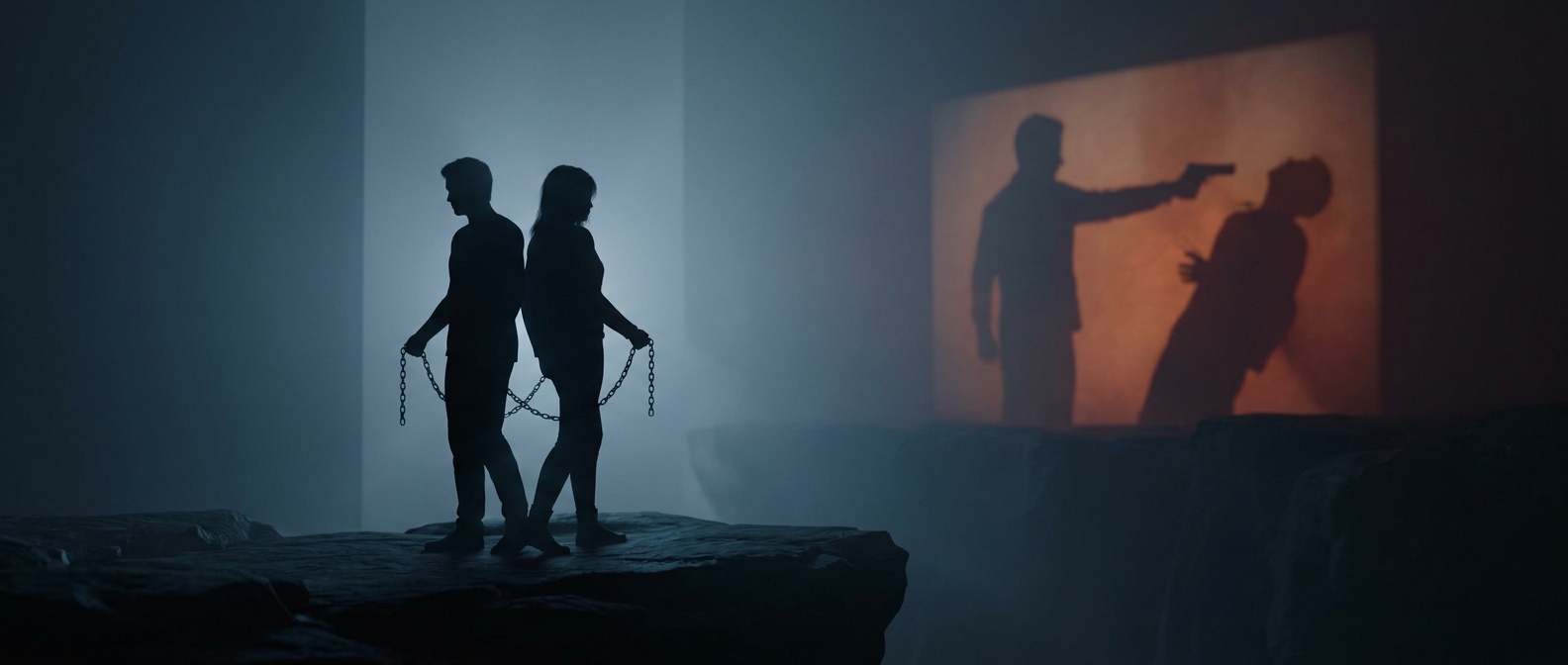
In A Way Out, the split screen is more than a way to show two players at once. It lets each person follow a different character’s actions while both work toward the same escape: one might keep watch as the other handles a task, or each may need to act at the right moment for a plan to succeed. The format makes dependence visible. You can see your partner’s side of the screen, but you cannot simply take over their character.
That structure builds a habit: talk, coordinate, and trust the person on the other controller. The game’s finale then turns that habit against the players. The story’s conflict becomes a direct contest between them, and the familiar split screen now tracks opponents rather than partners.
The players inherit the characters’ dilemma
The shift works because the game has made cooperation practical, not just sentimental. Players have spent the escape sharing control of progress; when their characters become enemies, neither player can treat the other as a disposable computer-controlled obstacle. A real person is making the opposing moves, with the same history of teamwork on the other side.
That does not mean every pair will feel betrayed in the same way: friends may laugh, compete, or argue over what to do. But the design gives the ending a pressure that a standard action-game boss fight cannot. The final confrontation is also a break in the game’s basic social contract—the partner you needed to escape is now the person you must overcome.