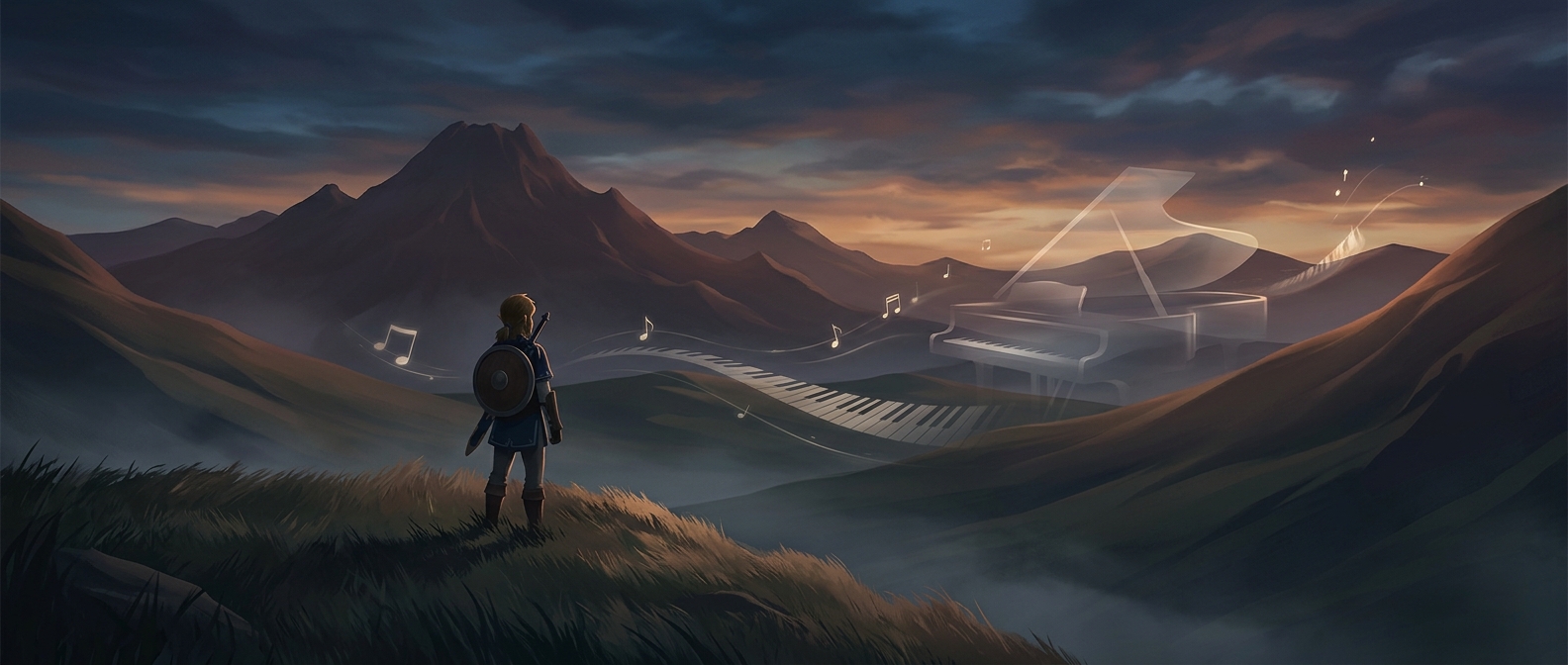
Silence leaves room for the player
A silent protagonist is not necessarily an empty one. In many games, the hero still acts, reacts, and communicates through movement or brief sounds; what is missing is a fully voiced stream of dialogue that tells the player exactly how the character thinks and feels.
That gap can make it easier to imagine the hero as an extension of the player. Link, for example, is designed to be the player’s point of entry into Hyrule. His actions carry the story forward, while the player supplies much of the emotional response. Giving him a strongly defined voice and personality could make that imagined role feel less personal.
A practical choice with design consequences
Silence also shapes how a game presents its story. In Half-Life, Gordon Freeman’s lack of spoken lines helps keep attention on the player’s uninterrupted view of the world. Instead of stepping away to watch Freeman deliver dialogue in a cutscene, the player can remain present as other characters speak and events unfold around him.
There is a production advantage, too. A voiced hero requires recorded performances, dialogue editing, and versions of lines that fit different situations. A silent lead can make it simpler to preserve the same protagonist across scenes and languages. But that choice has a cost: other characters may carry more of the conversation, and the hero’s motives can be less explicit.
Silence is a tool, not a rule
These characters are not all silent for the same reason, and silence does not mean they have no personality. Their courage, curiosity, or concern can come through in what they do—and in how the game’s world responds. The tradeoff is that players get more room to inhabit the hero, while writers give up some control over the hero’s exact voice.