The Real Work Behind a Fake Pour
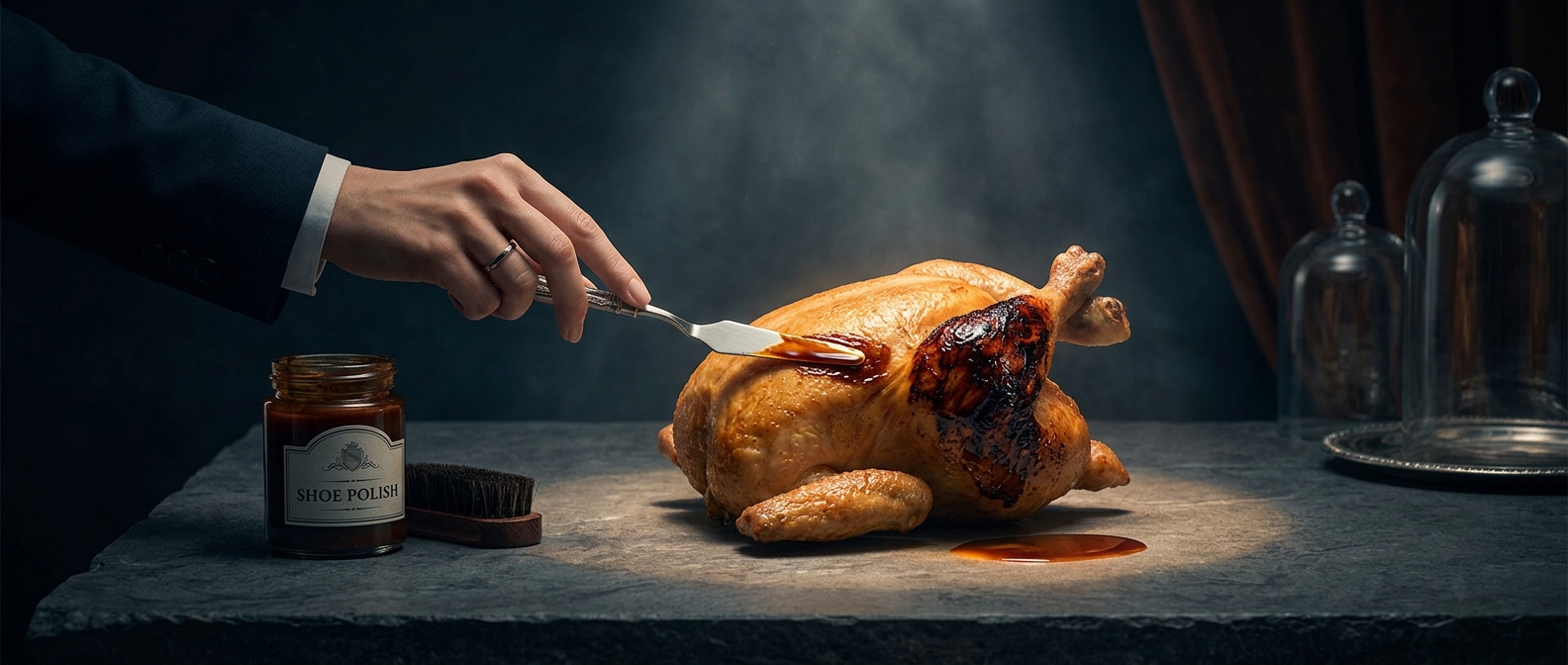
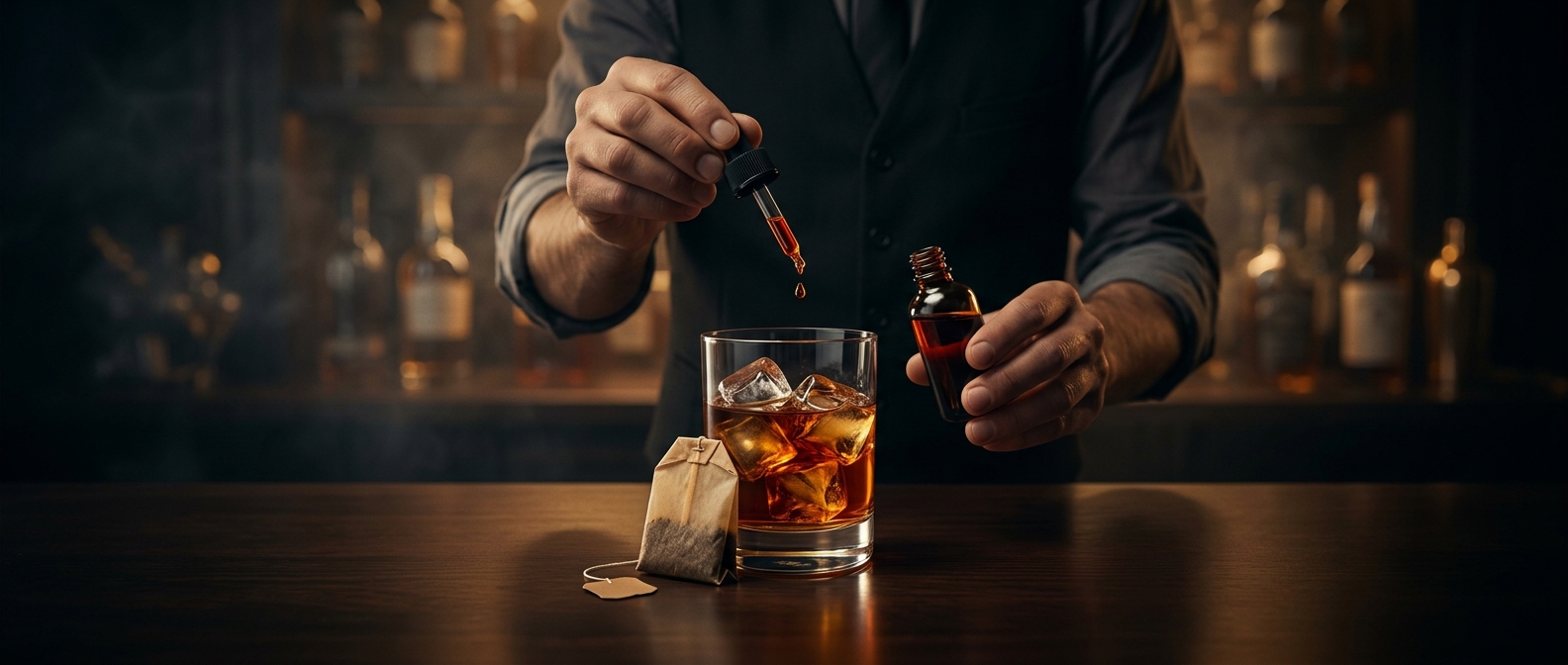
A glass of whiskey has to look right on camera, but the liquid inside rarely needs to be whiskey. The crew’s job is to create the impression of a drink while keeping the scene practical to shoot. Iced tea or apple juice can supply the amber color without putting alcohol in a glass that an actor may need to drink from repeatedly.
Why the Substitute Matters
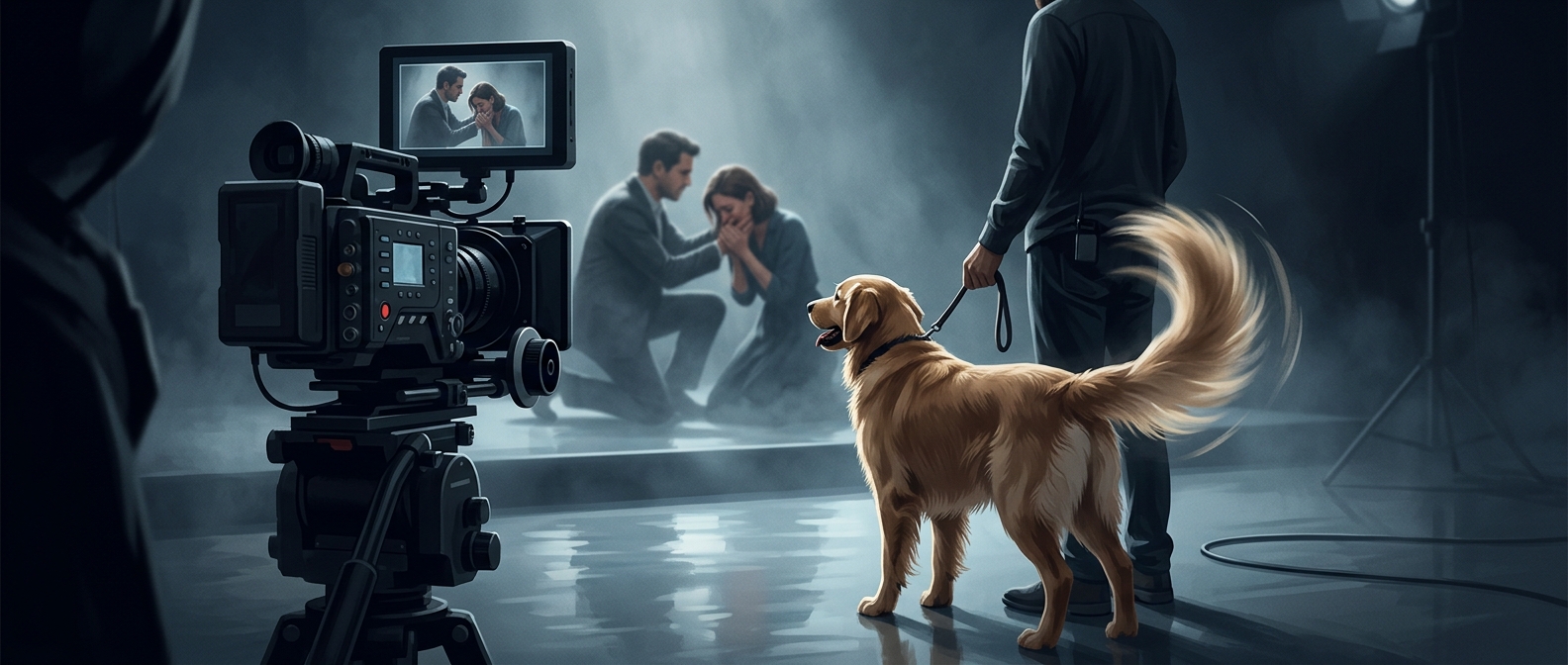
Film scenes are often shot in pieces rather than in the order viewers see them. An actor might repeat a sip or a toast across several takes, and the glass may need to look equally full each time. Using a nonalcoholic stand-in avoids serving real liquor during that repetition and makes it easier to keep the performance consistent.
The liquid also has to read clearly under the scene’s lighting. A prop team can choose or adjust a substitute to resemble the drink on screen; what looks convincing through a camera matters more than whether it would fool someone tasting it. The glass, the pour, and the actor’s gestures complete the illusion.
What the Audience Is Actually Reading
Viewers usually identify the drink from its color, container, and context: a bottle on the bar, a short glass, or a character taking a hard swallow. The liquid itself is only one part of that visual shorthand. That is why a sweet, alcohol-free stand-in can sell the image of straight whiskey—and why the tough-looking gulp may be less about drinking than hitting the same mark again.