How astrologers derive another person’s houses
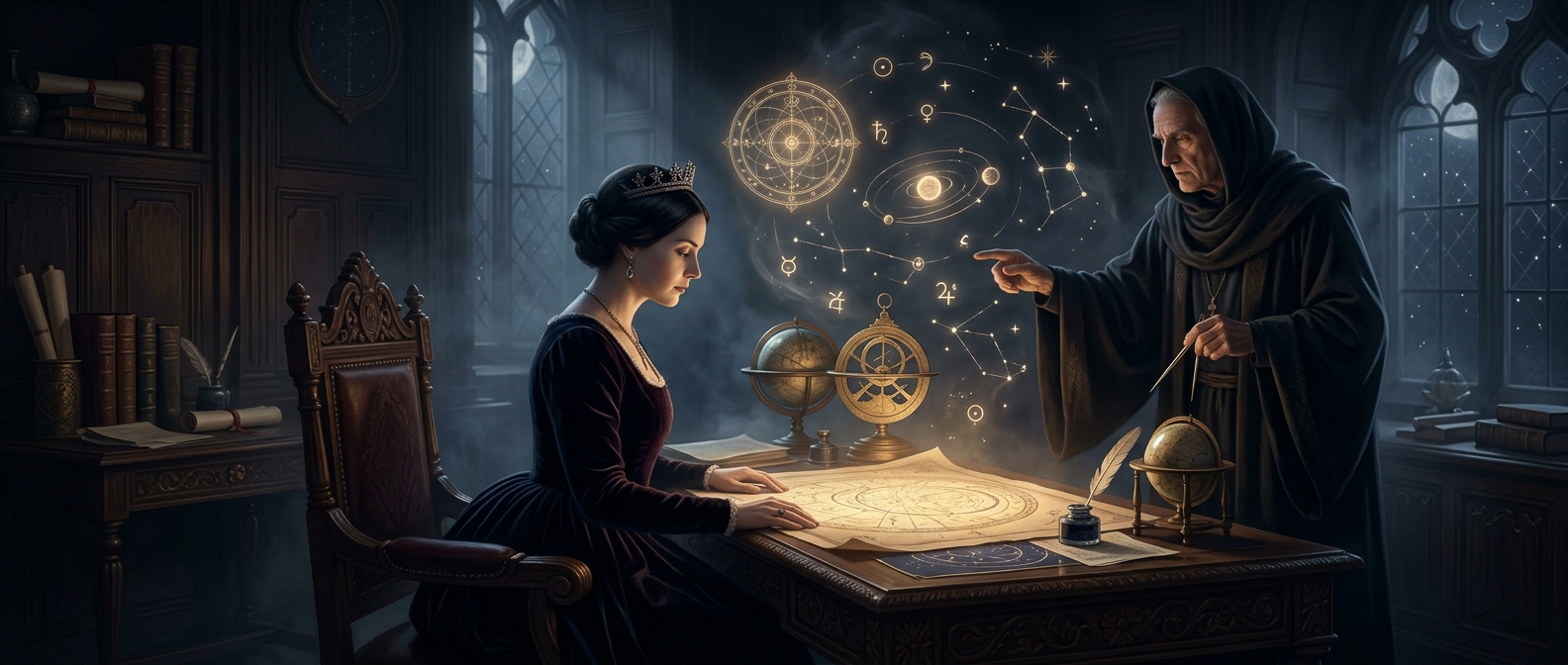
In astrology, a derived house is a house counted from a different house in the chart. The starting house stands for someone else; astrologers then treat it as that person’s first house and count onward to assign topics involving their life.
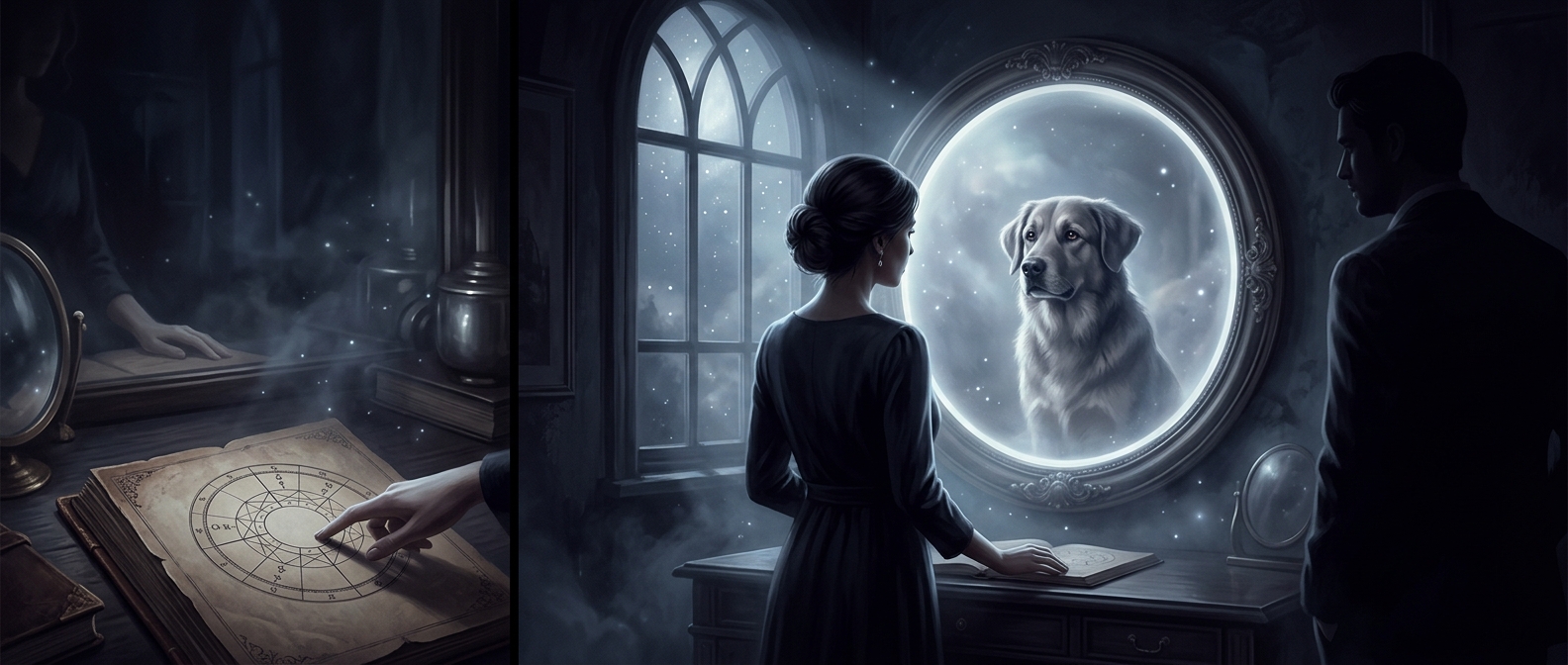
For example, the seventh house is commonly associated with a partner. Count the partner’s first house as the chart’s seventh, then count twelve houses from there: the twelfth house in that sequence lands on the chart’s sixth house. That is how an astrologer could discuss a partner’s dog through the partner’s “sixth house,” which is traditionally linked with small animals and everyday care. The chart’s twelfth house is not the result in this example—the counting starts at the seventh.
The counting rule does the work
The method is essentially a way to nest relationships: first identify whose life is being considered, then count from that person’s house to the topic in question. A sibling is represented by one house; the sibling’s boss can then be found by counting the house associated with a boss from that starting point. The result depends on the astrologer’s chosen associations and counting convention.
Derived houses are an interpretive technique within astrology, not a measured way to establish facts about a person or animal. Their appeal is structural: a chart’s houses can be reused to map an ever more specific chain of relationships, so even a question about a partner’s pet becomes a matter of choosing a starting point and counting.