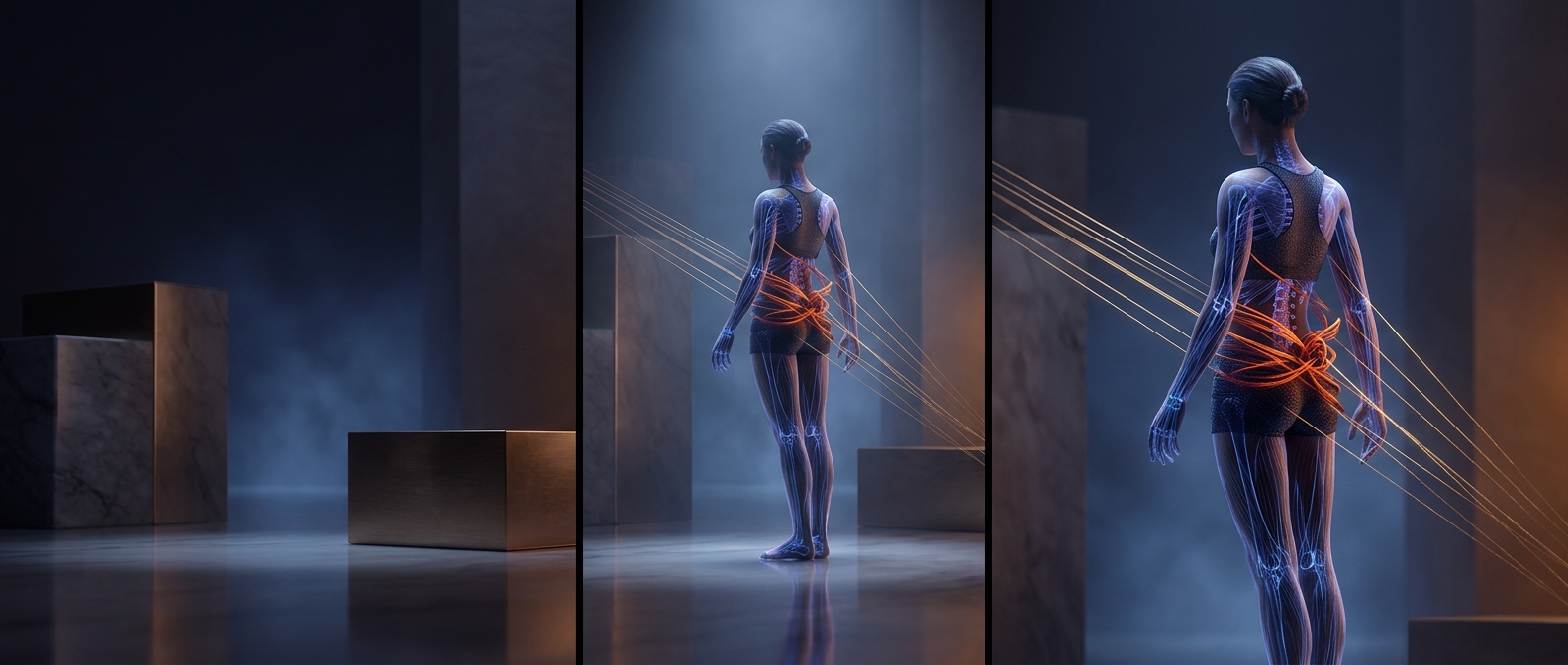
Why a walk can quiet the stress response
Cortisol helps the body mobilize energy and stay alert when it senses a demand. It rises and falls throughout the day, and a stressful event can prompt an additional release. That response is useful in the moment; the trouble is when the body remains keyed up after the demand has passed.
Walking changes the conditions the body is responding to. Brisk movement uses energy and engages muscles, while the transition away from a stressful setting can reduce the cues that keep the brain treating the moment as urgent. In a natural setting, sights and sounds may also feel less demanding than traffic, screens, or crowded indoor spaces. Together, these shifts can help the body move toward a less alert state.
The change is gradual, not a switch
Cortisol does not vanish as soon as someone steps onto a trail. Its level depends on timing, the person, and what else is happening; a walk is one influence among many. Nor does every outdoor walk guarantee a measurable drop. The useful point is that the body’s stress response can ease as activity and perceived pressure change.
That is why the end of the walk matters: a few minutes of unhurried movement after a tense stretch can give the body a transition from responding to a demand to recovering from it. The benefit is not that nature erases stress, but that a change of pace and surroundings can help the body stop acting as though the stressful moment is still underway.