Why an Eyelid Can Twitch on Its Own
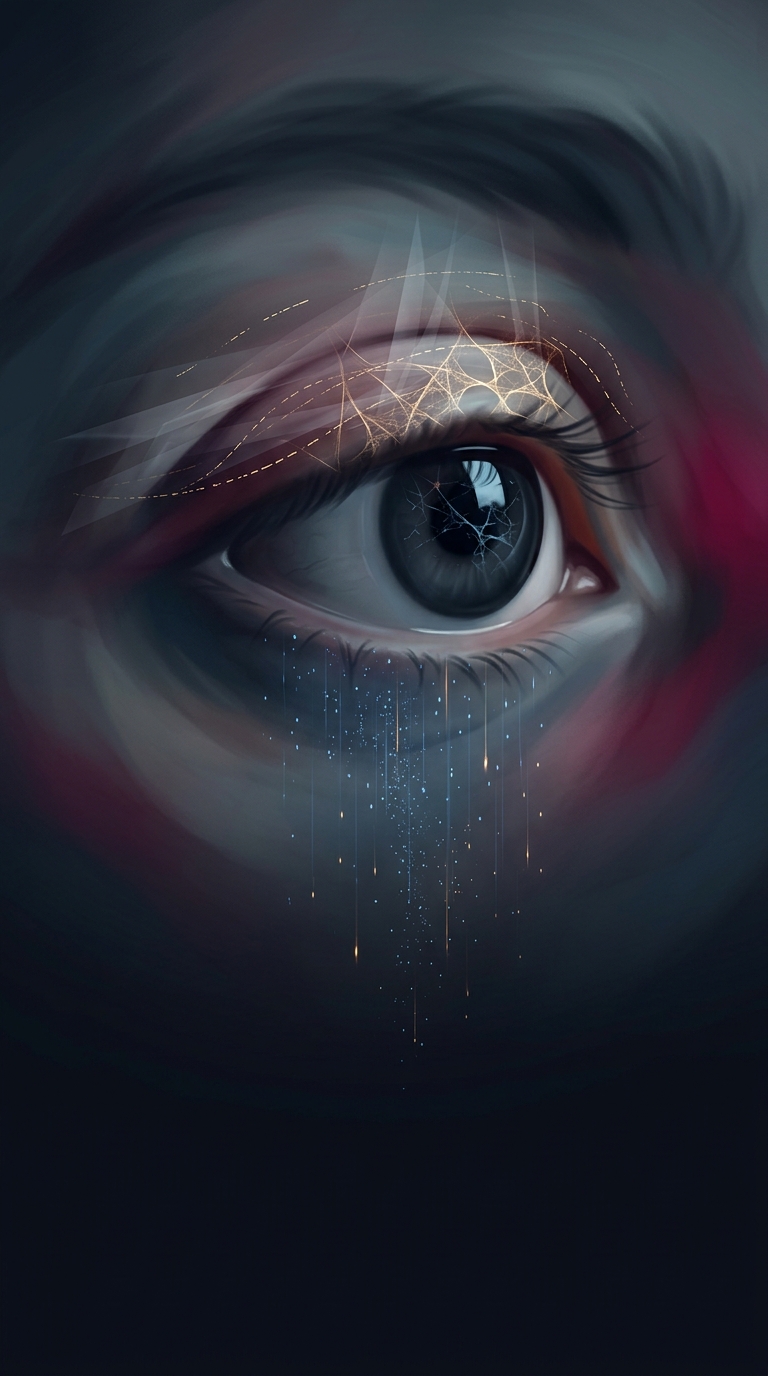
That flutter is often eyelid myokymia: small, repeated contractions of the muscle that closes the eyelid. Nerves activate the muscle in brief bursts, so you feel a ripple or vibration even though the movement may be too subtle for anyone else to notice. It commonly affects just one eyelid, often the lower one.
The twitch usually is not a deliberate signal from the body or a sign that the eye is about to develop a serious problem. More often, the muscle and its nerve are temporarily more excitable than usual.
What Can Set It Off
Fatigue, stress, too much caffeine, prolonged screen use, and dry or irritated eyes can all make a twitch more likely. These influences may overlap: a late night can leave you tired, while hours staring at a screen can reduce blinking and dry the eye’s surface. The eyelid muscle then keeps contracting in tiny bursts, sometimes for hours or intermittently over several days.
Rest, easing up on caffeine, taking screen breaks, and addressing eye dryness may help. The twitch often fades on its own; trying to force the eyelid to stop is unlikely to help.
When It Deserves Attention
A twitch that lasts for several weeks, spreads beyond the eyelid, makes the eye shut completely, or comes with a drooping eyelid, redness, swelling, or discharge is different from an occasional flutter. Those changes are a reason to contact a health professional, who can check for other causes. The useful distinction is not how startling the twitch feels, but whether it stays a brief, isolated eyelid movement or begins affecting the eye or face in other ways.