Why clear shells trap more than rain
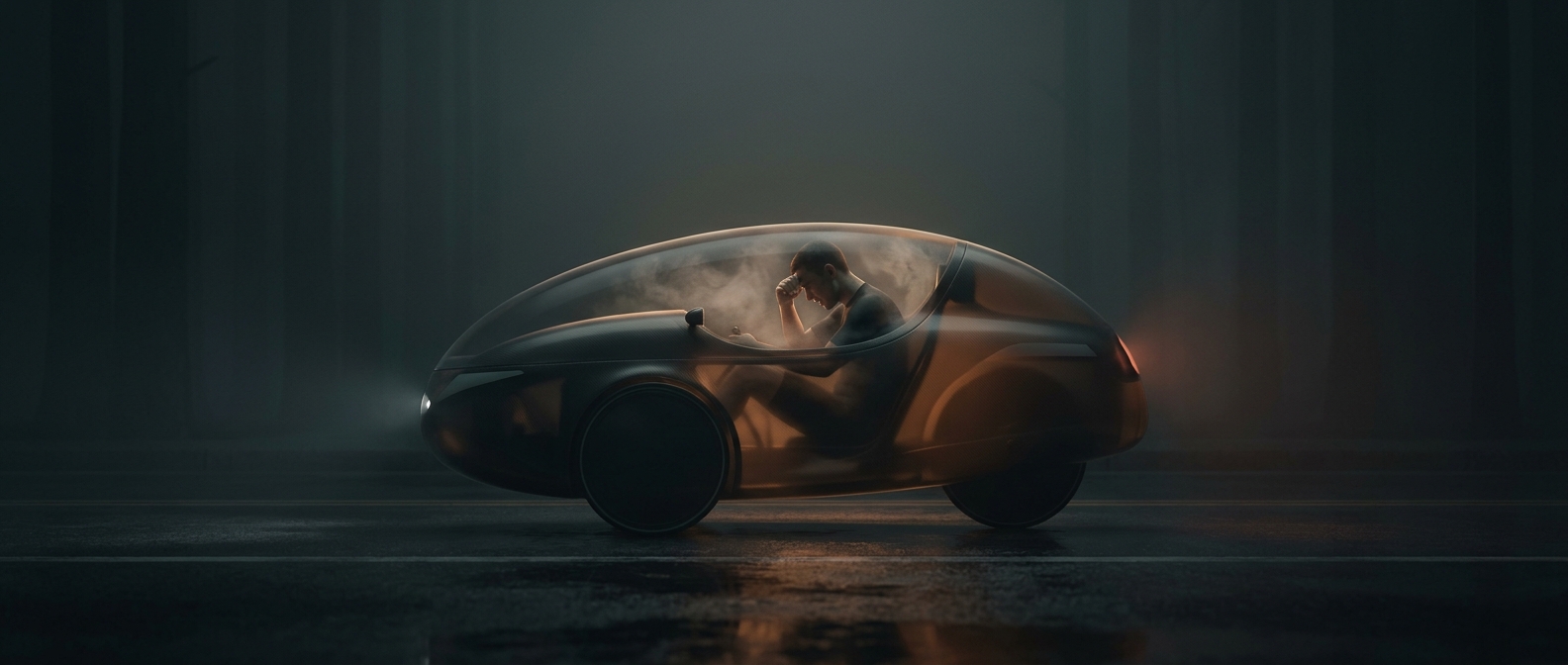
A transparent shell can block wind and keep out weather, but it does not block all the energy carried by sunlight. Sunlight passes through the material and is absorbed by the seat, floor, rider, and other surfaces inside. Those warmed surfaces release heat back into the cabin, where the enclosed air can retain it—especially if the shell has little ventilation.
That is the greenhouse effect in miniature. The important design issue is not simply that the shell is clear; it is that incoming solar energy can outpace the heat the cabin can shed.
The rider changes the heat balance
Pedaling adds heat from inside. Working muscles convert some of their energy into motion, but also release heat, and exertion makes the rider sweat. In a poorly ventilated cabin, warm, moist air can build up around the rider, making it harder for sweat to evaporate and cool the skin.
The enclosure therefore has to manage two sources of heat at once: the sun and the person using the vehicle. A cabin that feels comfortable while parked in shade may become unpleasant after minutes in direct sun or during a hard climb.
Ventilation is part of the vehicle’s design
Air openings can carry heat and moisture out, while moving air over the rider helps sweat evaporate. But openings also admit rain and wind, and can weaken the weather protection that makes an enclosed bike appealing. Designers have to balance those competing goals rather than simply seal the cabin as tightly as possible.
For a rider, the practical implication is immediate: a shell that shields against the elements can still need airflow, shade, or an openable panel when the sun is strong. The bike may be enclosed, but its heat still has to go somewhere.