How to find the other side of the world
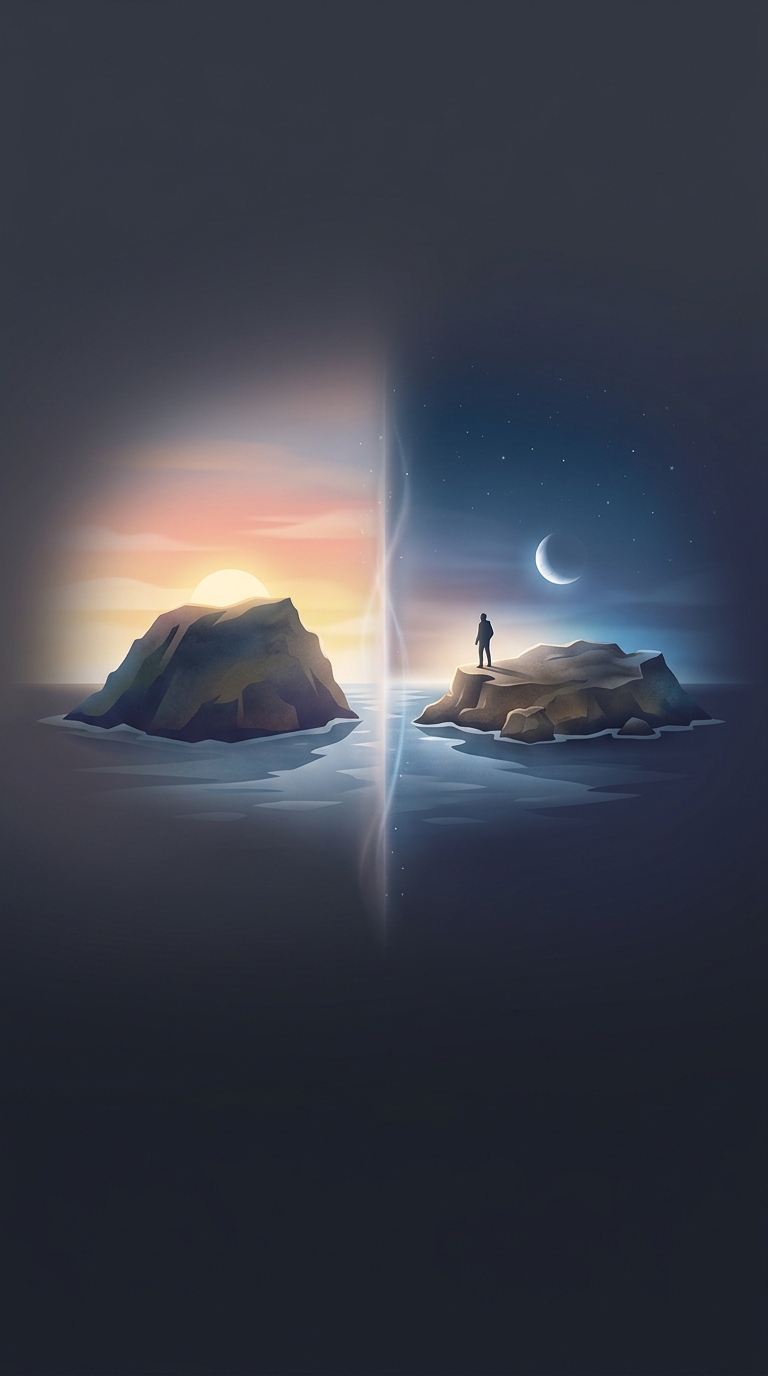
An antipode is found by flipping both coordinates of a place. Its latitude changes from north to south, or south to north, while its longitude shifts by 180 degrees. So a point at 40° north, 75° west has an antipode at 40° south, 105° east. The result is a precise point—not a region or a country.
Why the destination is usually water
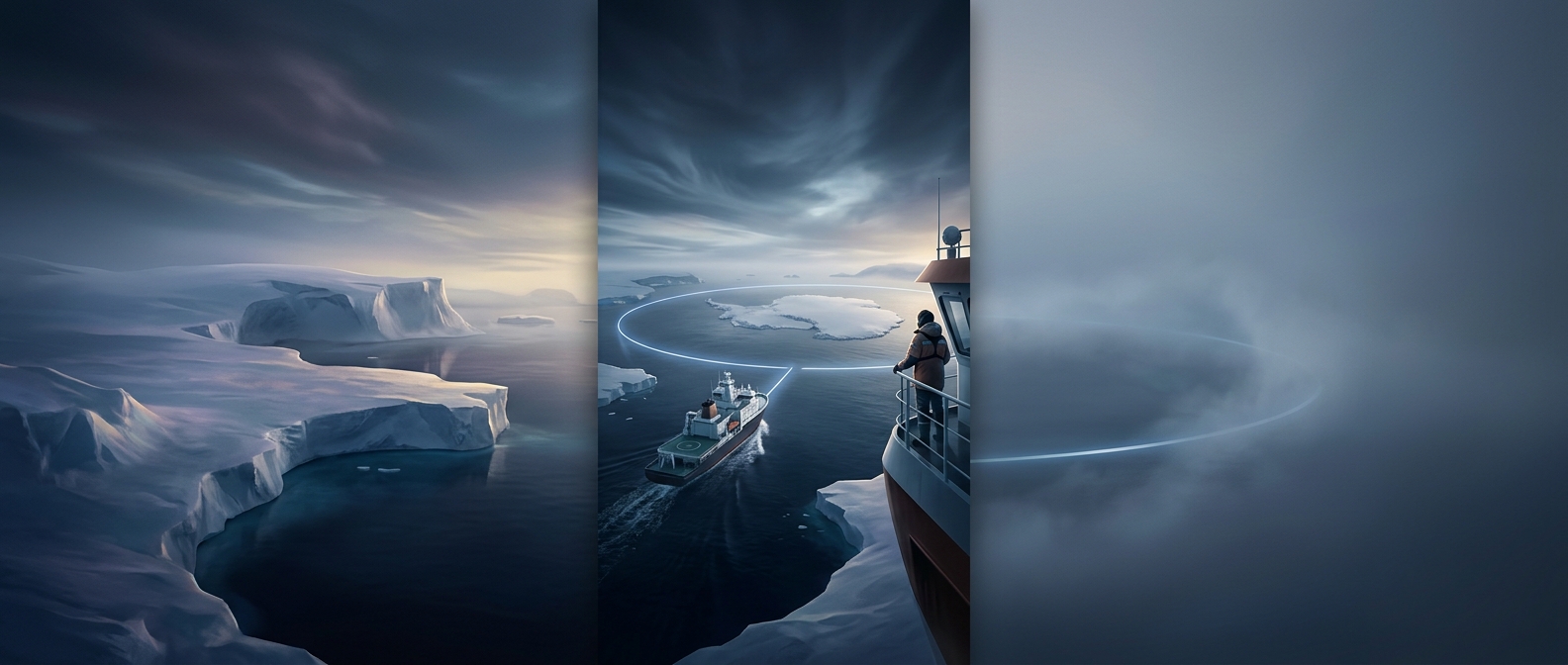
Earth’s land is unevenly distributed: large stretches of land cluster in the Northern Hemisphere, while the Southern Hemisphere contains vast ocean areas. As a result, many locations on land have antipodes in the sea. The reverse happens too: the antipode of a point in the ocean may fall on land.
That makes “the other side of the world” less likely to mean a faraway city than an open-water location. Even when both points are on land, they need not belong to places with any direct connection; they simply occupy opposite coordinates on the globe. An antipode map turns a familiar address into a surprising geographic question: not just how far away is it, but what lies directly beneath the planet on the other side?