Sleep Supports Healing; It Does Not Replace Treatment
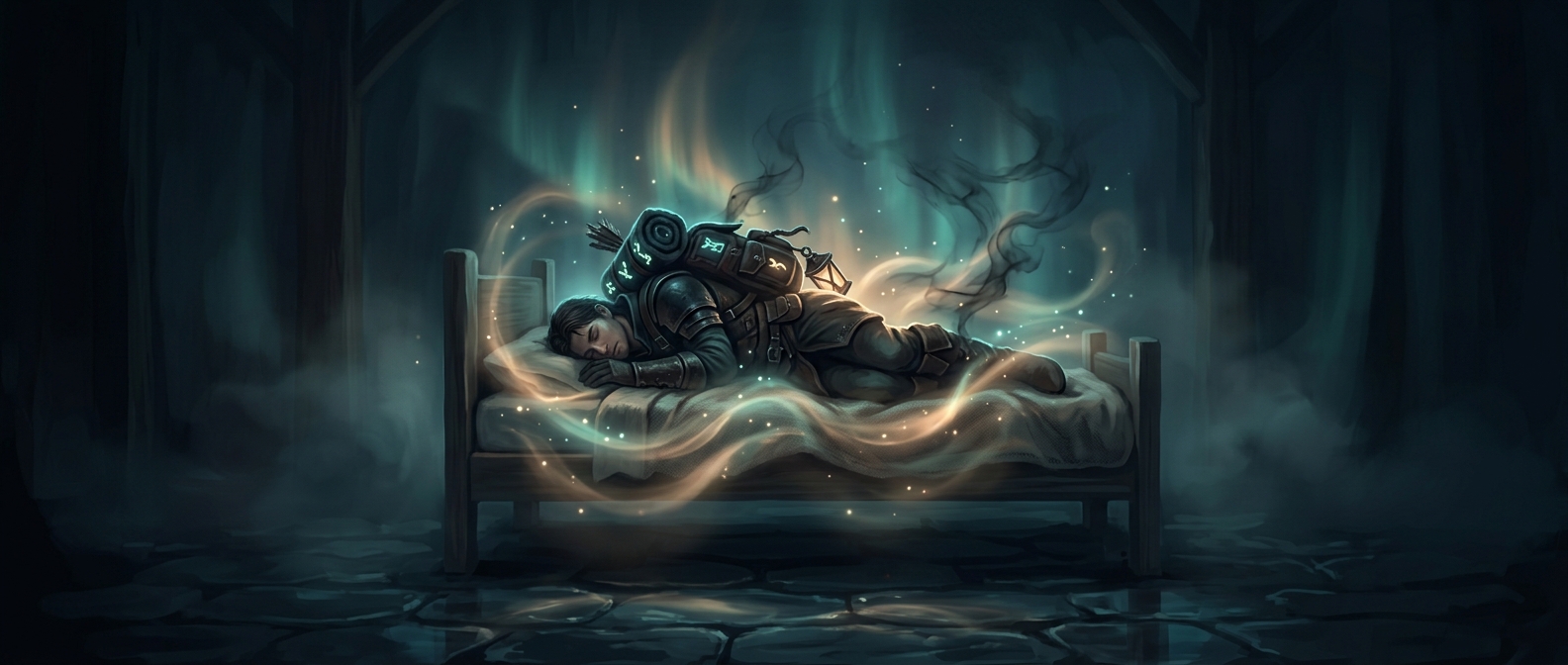
During sleep, the body continues routine maintenance: it regulates immune activity, repairs some everyday wear, and consolidates memories. That makes rest valuable during recovery, but it does not give the body a way to reassemble a broken bone or replace skin destroyed by a severe burn. Those injuries need specific medical treatment, such as stabilizing the bone or caring for damaged tissue.
Radiation injury is different again. Radiation can damage cells and tissues from within, and the harm may not be visible right away. A night in bed cannot remove the exposure or assess its effects; medical evaluation is needed.
Why Games Make Beds Seem More Powerful
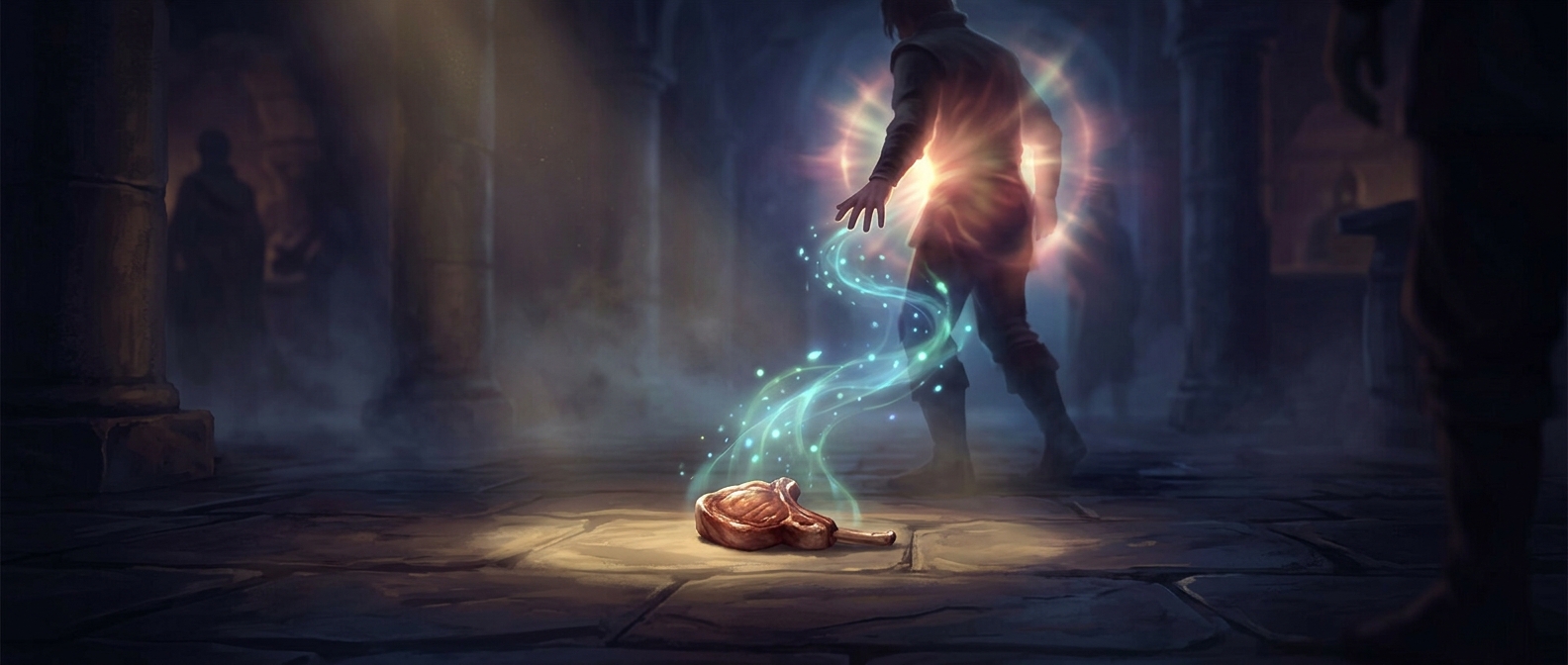
Games often compress recovery into a simple rule: use a bed, wait, and a character’s health returns. That is a useful design shortcut. Tracking wound care, complications, and different healing timelines would slow play, so one action can stand in for many kinds of recovery.
In real life, sleep is part of a healing environment, not a cure-all. Rest may help someone cope with illness or injury, but severe burns, broken bones, and radiation injuries require care matched to the damage. The practical difference is stark: a bed can help you recover, but it cannot tell you what needs treating.