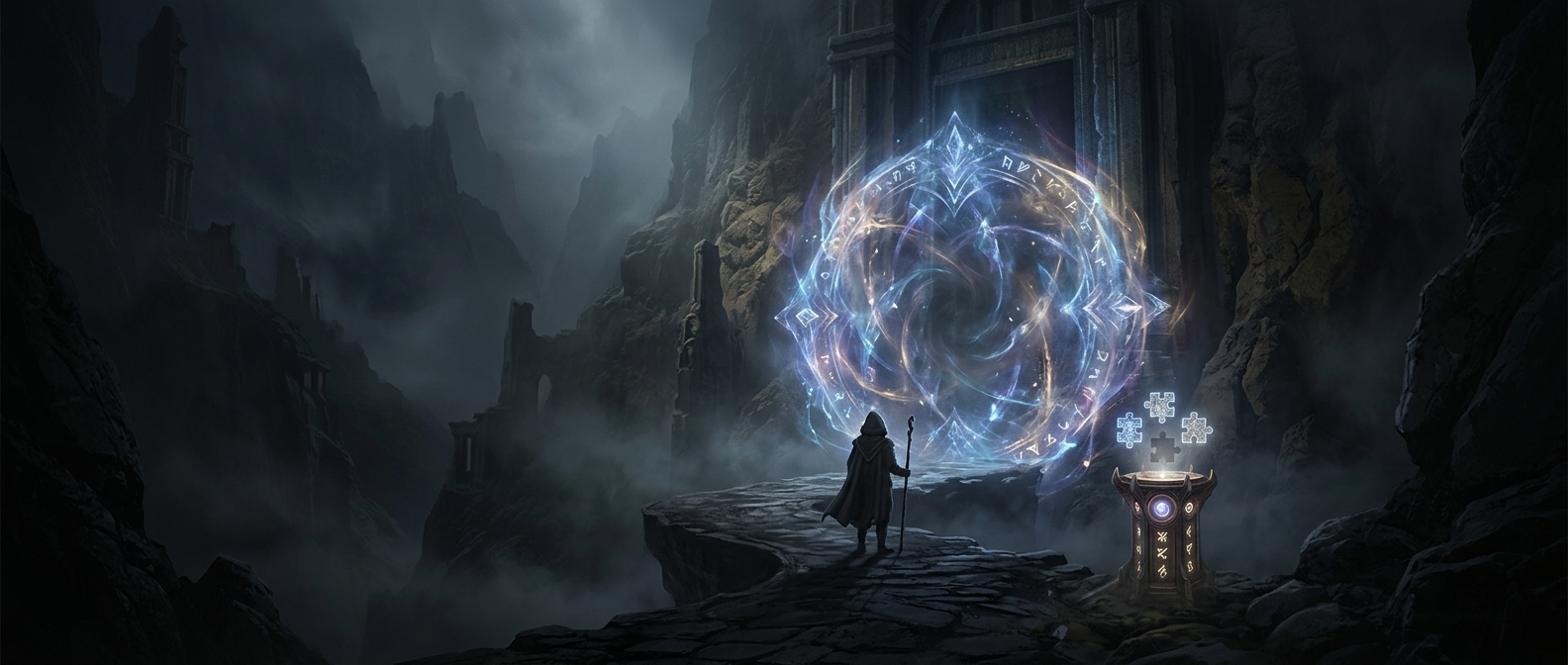
How a collectible gate reshapes a level
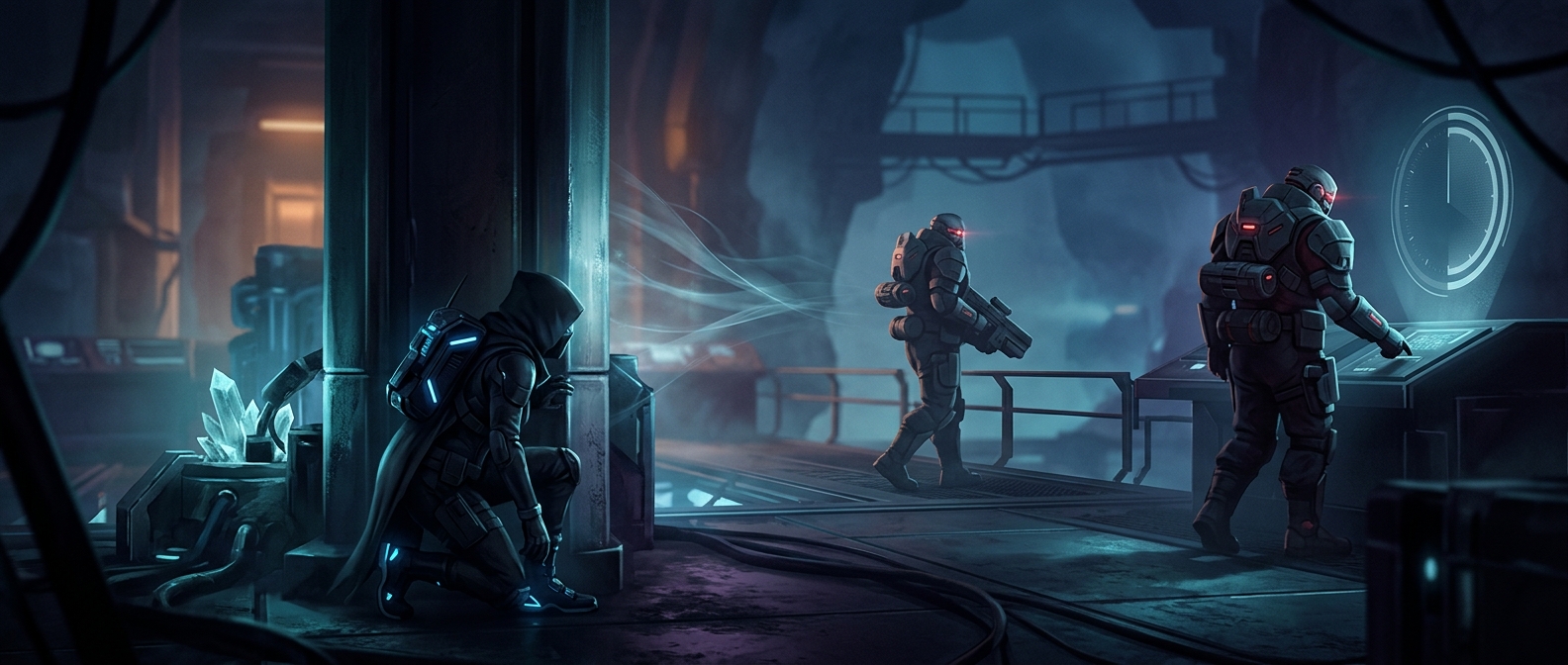
A barrier tied to three artifacts turns movement into a simple rule: reach the obstacle, then search the spaces you have not yet cleared. The barrier is a progression gate—a locked route whose condition is something the player must do elsewhere, rather than a key or switch found nearby.
That rule lets designers make a map feel interconnected. A visible blocked path gives exploration a destination, while artifacts placed in different areas send the player back through locations they may have skimmed past. When the final artifact is collected, the player can connect the search to a clear result: the route that was closed is now open.
Why the task can feel arbitrary
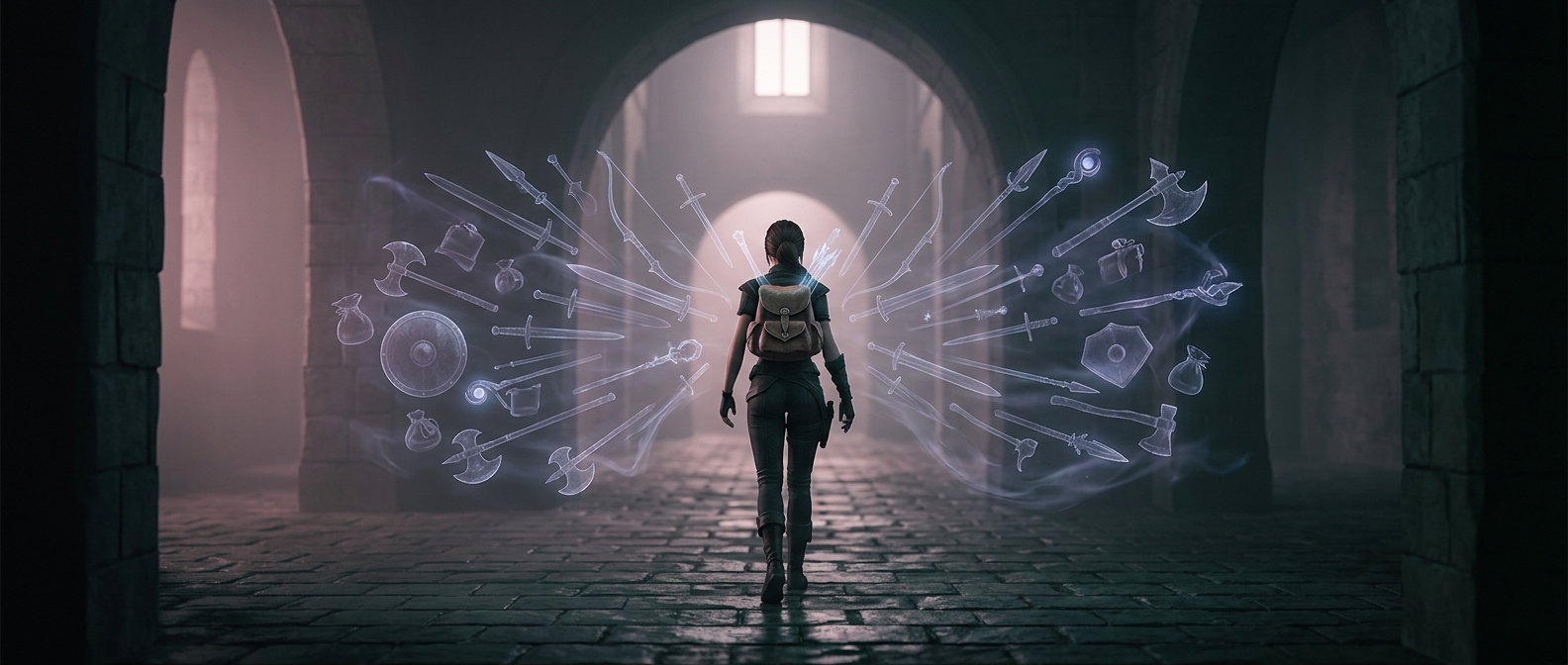
The structure only feels meaningful if the search itself offers something to notice or decide. An artifact tucked behind a puzzle, a risky detour, or a change in the environment can make finding it feel like part of the adventure. If each one is merely placed somewhere on a checklist, the barrier may seem to delay progress without adding much.
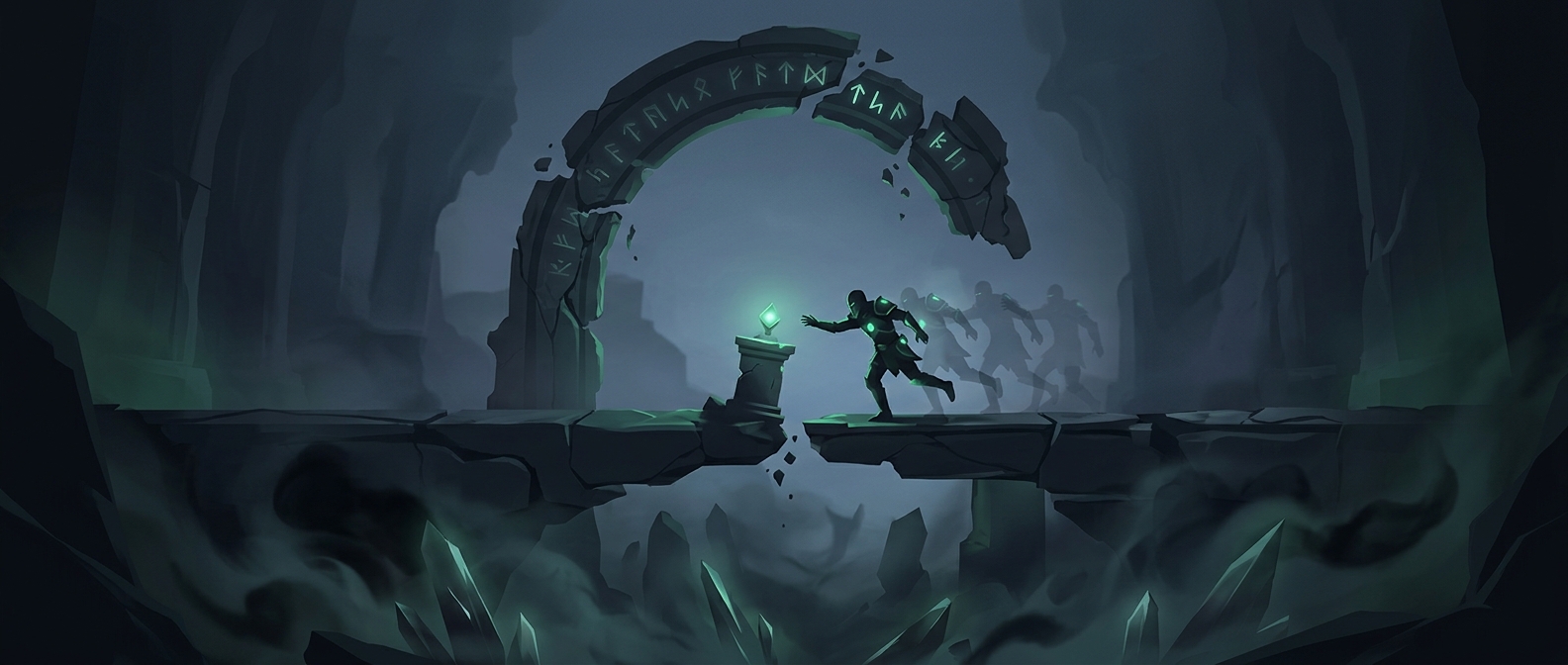
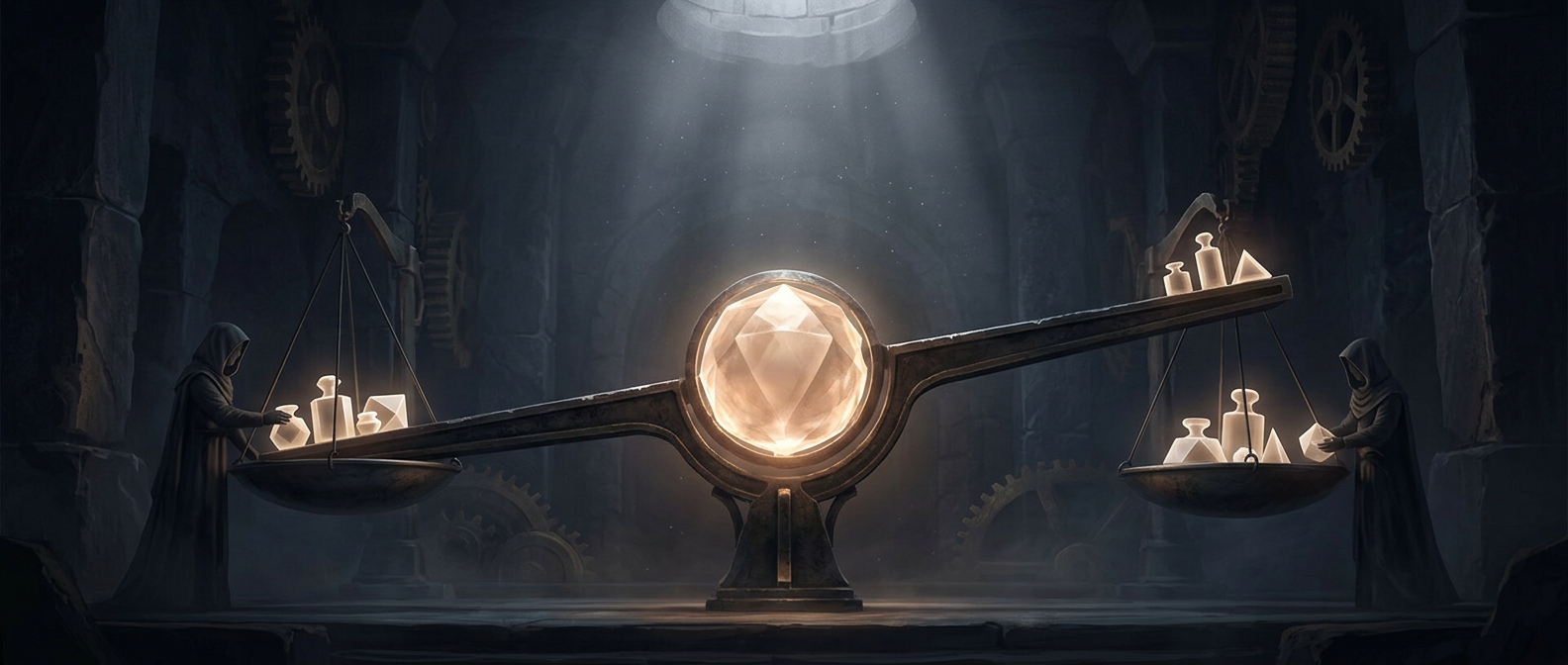
The design tradeoff is control versus freedom. A gate keeps players from entering an area before the game is ready for them, but it also asks them to follow the designer’s chosen route. The glowing objects are not just collectibles: they are the visible proof that the player has completed the detour the map requires.