Why a Hero’s Backpack Has No Obvious Limit
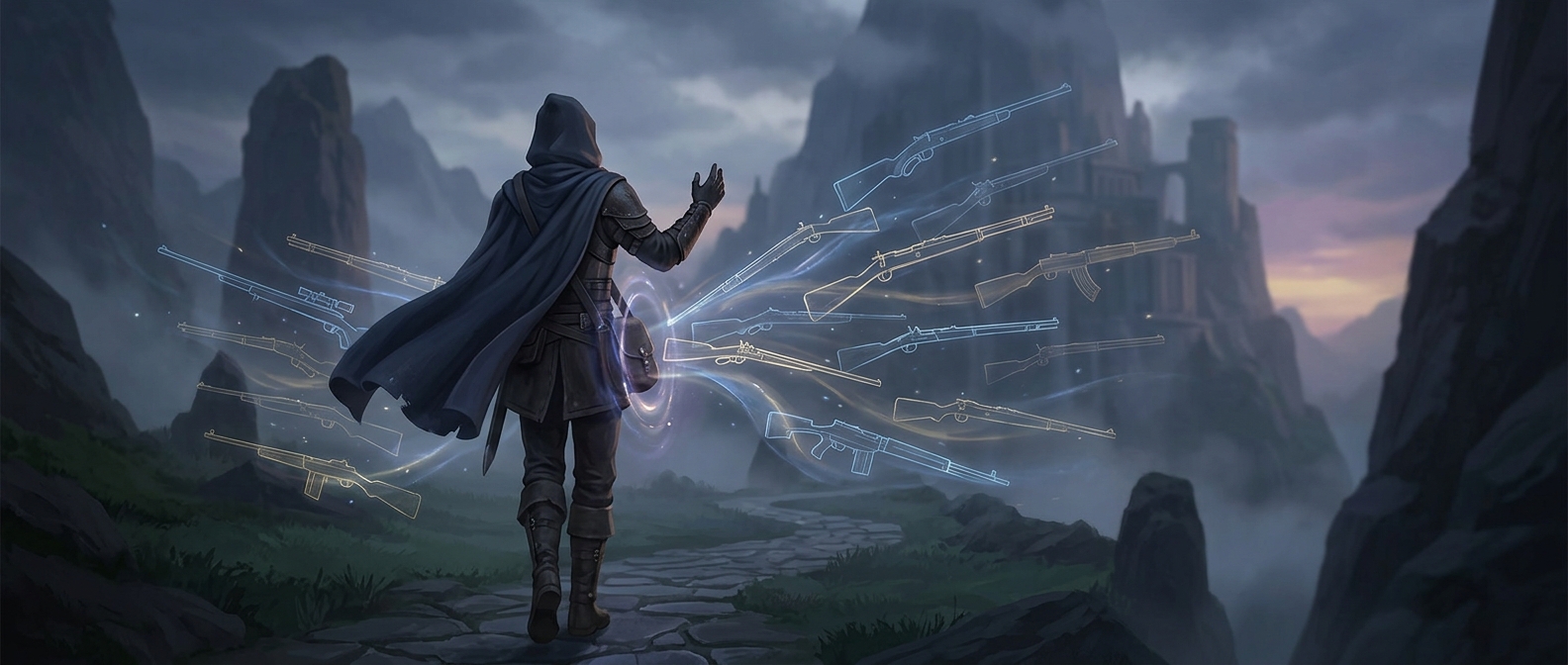
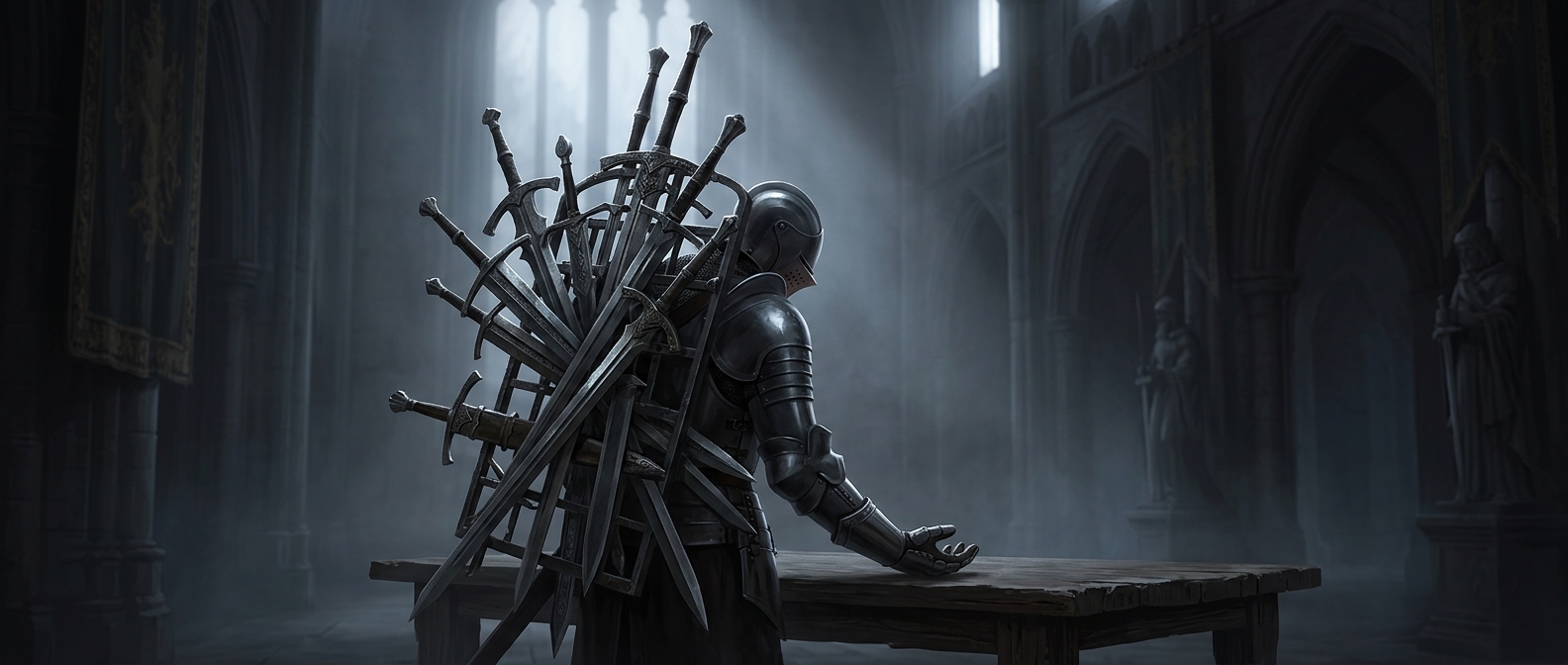
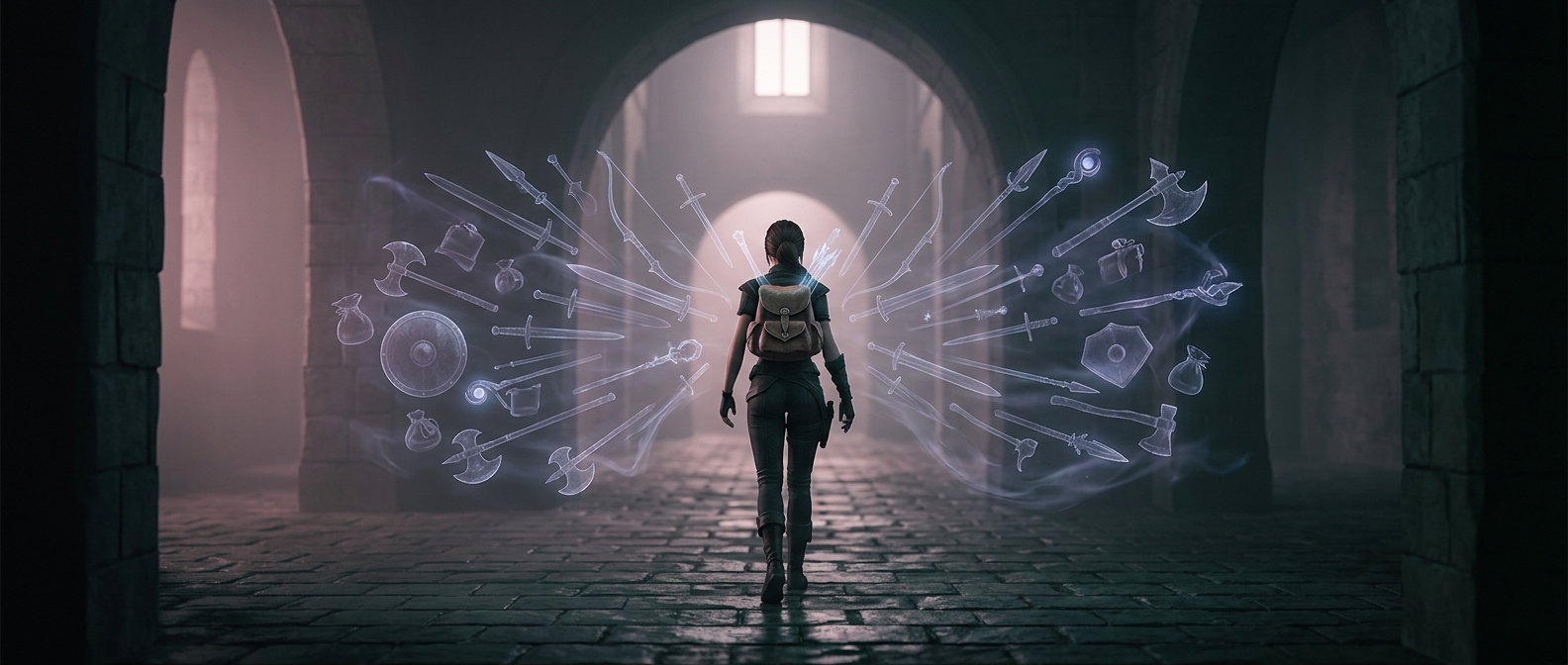
Most games do not simulate every object pressing against a character’s back. Instead, an inventory is a gameplay interface: a menu that tracks what the player owns and makes it available when needed. The swords and potions may be represented as icons and counts, not as individually modeled objects rattling around in a physical pack.
That abstraction keeps the adventure moving. If every pickup required careful packing, players might spend more time sorting equipment than exploring, fighting, or solving puzzles. A generous inventory also lets designers place useful rewards along a route without forcing players to abandon something valuable each time they find a new item.
When Carrying Capacity Becomes a Choice
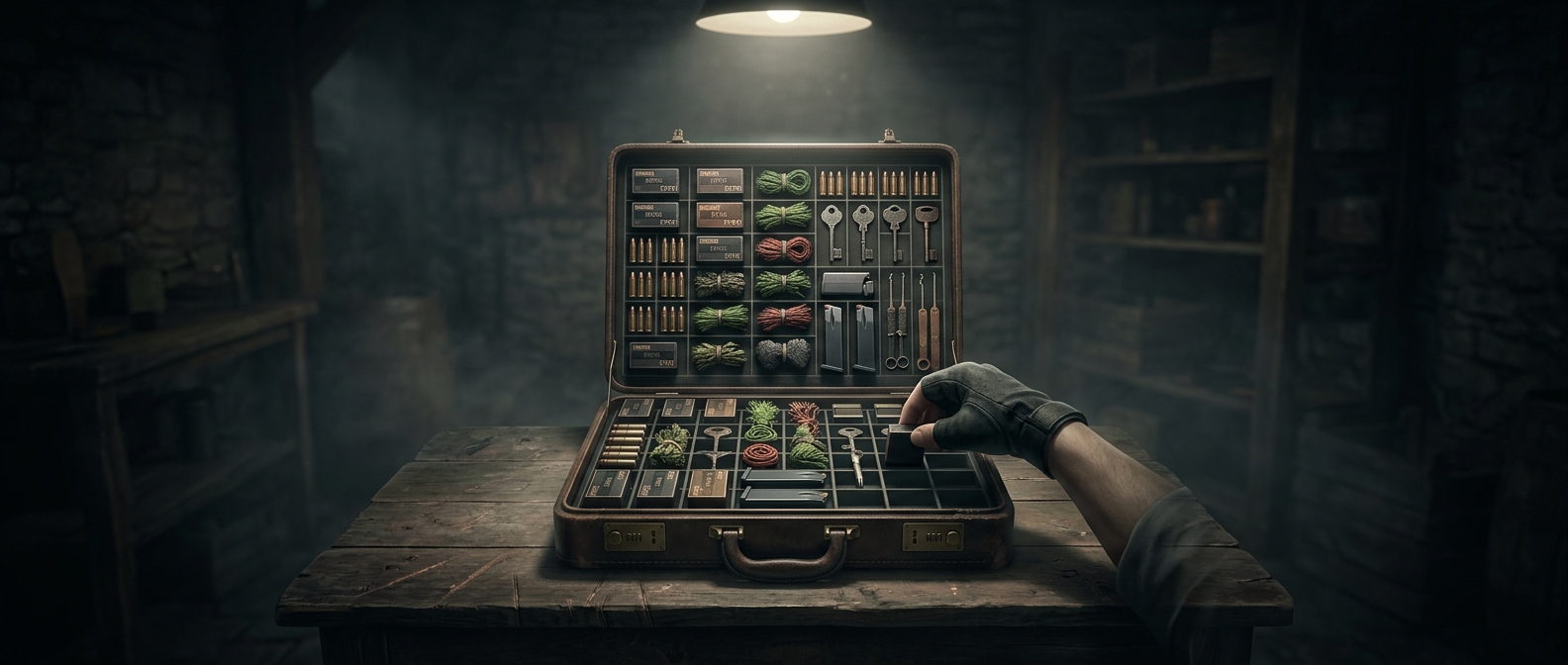
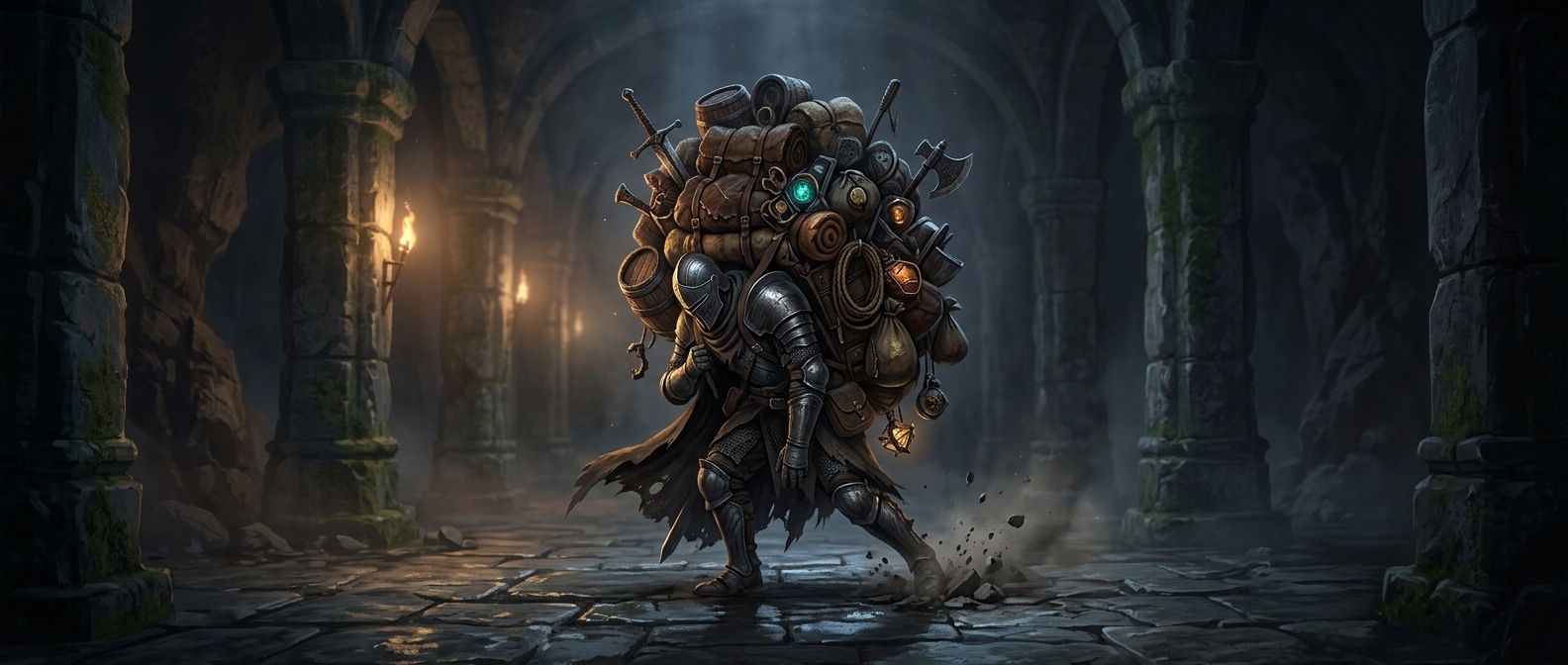
Some games do impose limits, using a maximum number of slots, a weight allowance, or both. Those rules turn inventory management into a tradeoff: carry more supplies for safety, or leave room for loot and specialized gear. A character who moves more slowly when overloaded makes that choice affect the world beyond the menu.
Other games keep capacity loose because the challenge lies elsewhere. The inventory still shapes decisions—what weapon to equip, which potion to save, what to sell—but does not make hauling equipment a separate obstacle. That is why a seemingly impossible load can be useful: it signals that the game is prioritizing the player’s choices over the physical logistics of carrying every item.