Why a quest key gets stricter treatment than a barrel
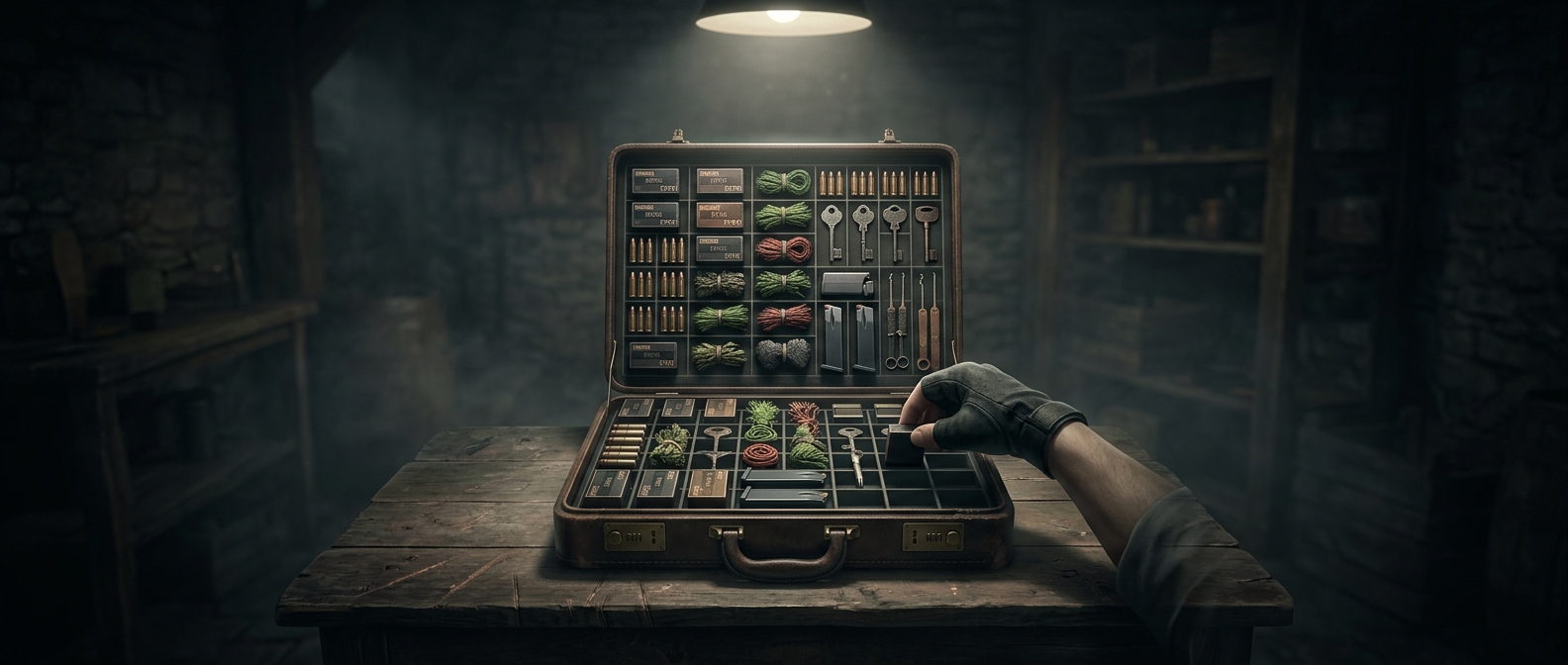
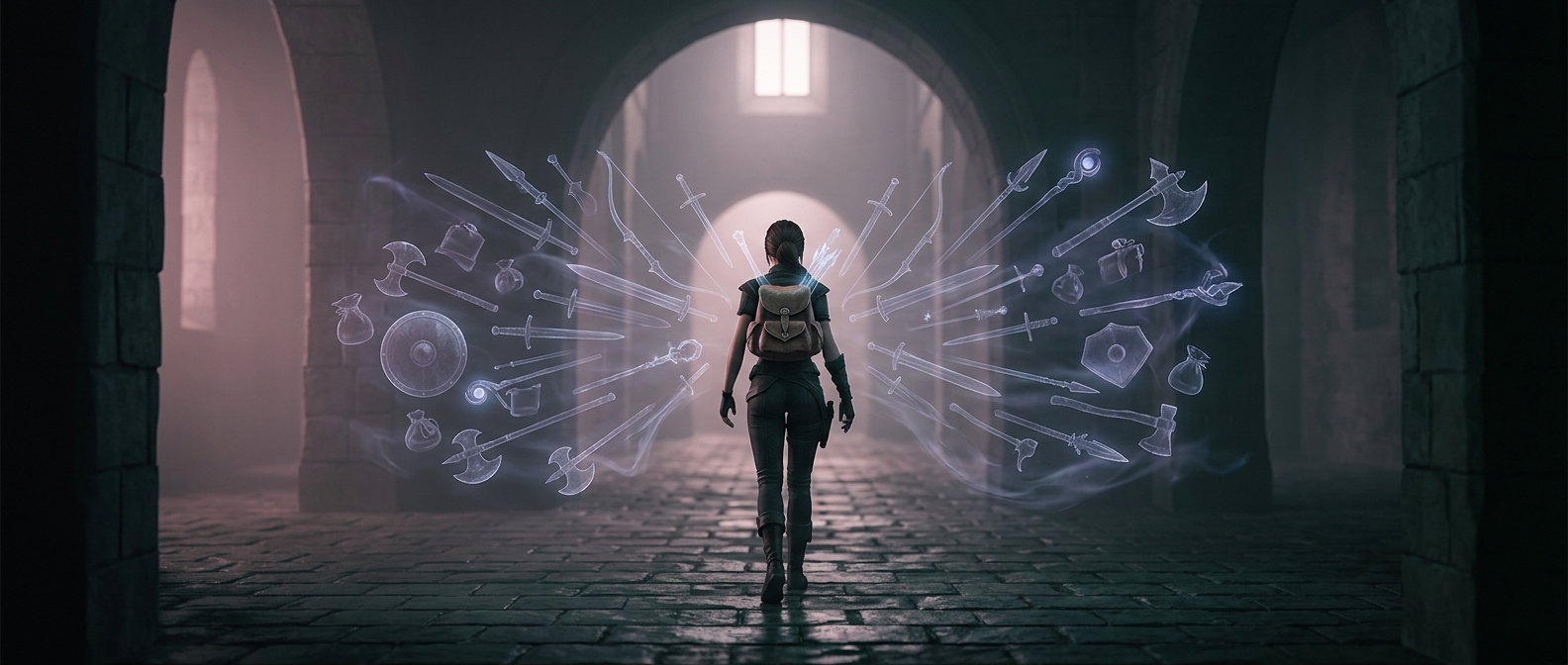
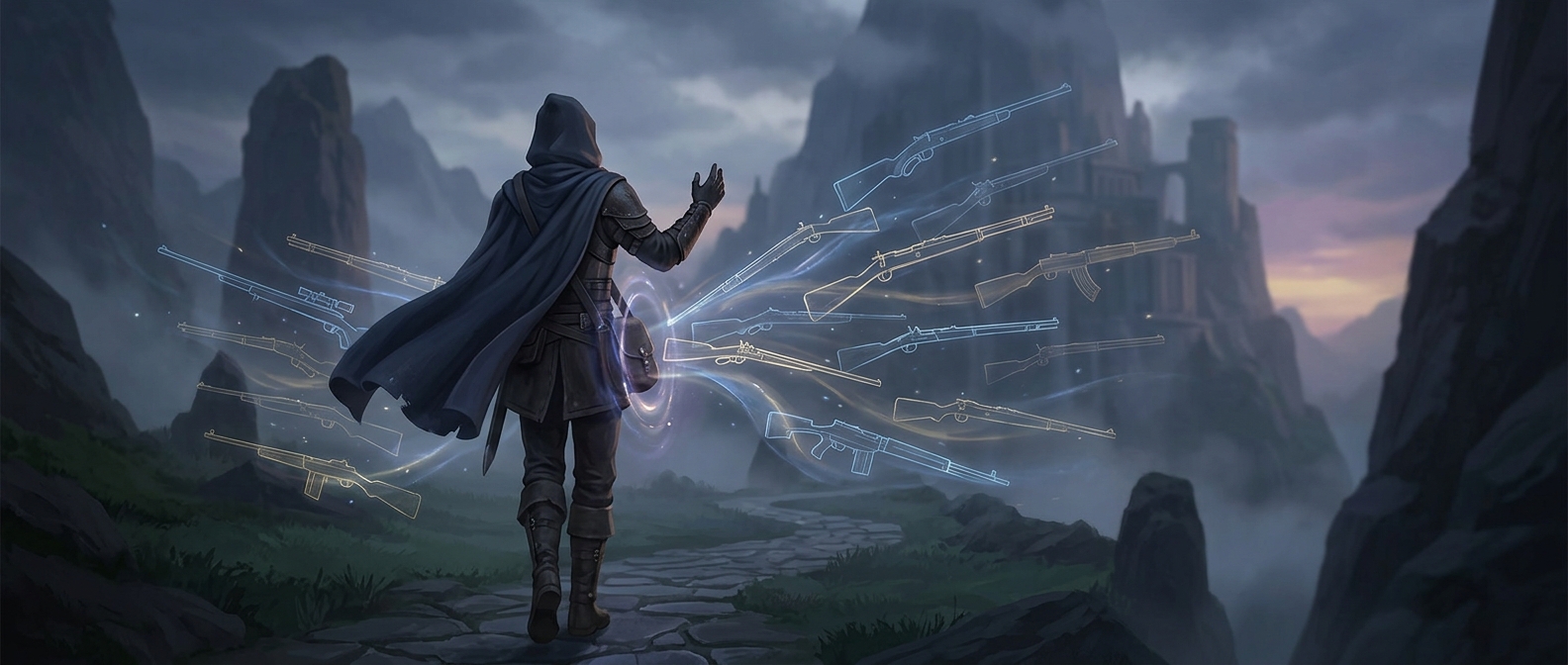
A game’s inventory is not always a literal measure of what a character can physically carry. It is also a set of rules for pacing the adventure. Weapons, armor, and loot may use weight limits because choosing what to bring can create a meaningful tradeoff: keep the heavy weapon, or make room for treasure?
A quest key usually serves a different purpose. It exists to open a particular door or advance a particular task, not to test the player’s packing skills. If the game let ordinary weight rules make that key unusable, a player could reach the right door and be unable to continue—not because of a story decision, but because they picked up too many objects.
Separate rules protect the route through the game
Many games therefore treat plot-critical objects as a special category. They may weigh nothing, live in a separate menu, or be impossible to discard. That exception helps keep the intended sequence intact while leaving ordinary items subject to limits. It also makes the key easy to find when the player needs it.
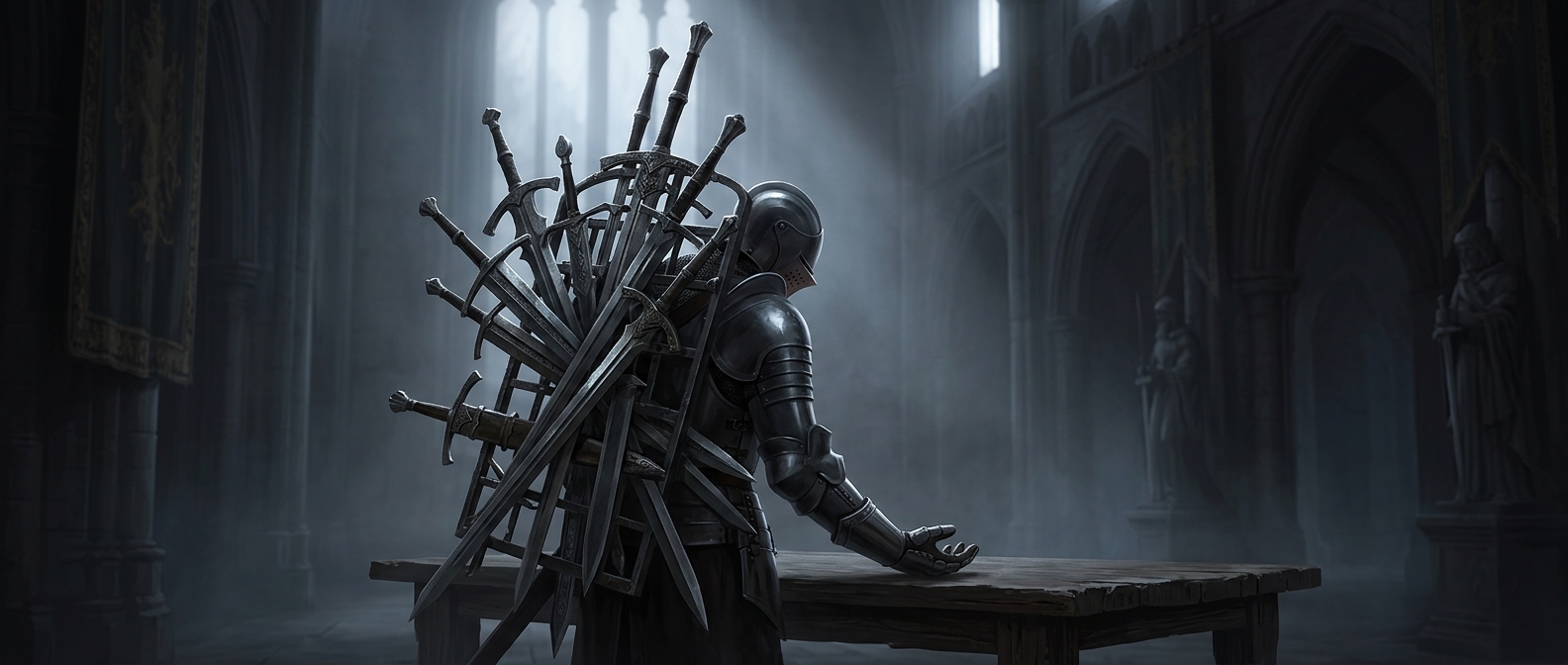
The same design can explain the opposite-looking joke: a hero may haul a barrel that would be wildly impractical in real life, yet a small key receives careful handling. The barrel is part of the game’s flexible equipment-and-loot system; the key is a dependency in its progression system. The inventory is tracking what the game wants the player to manage, not simply what the hero’s arms could hold.