The inventory is a design shortcut
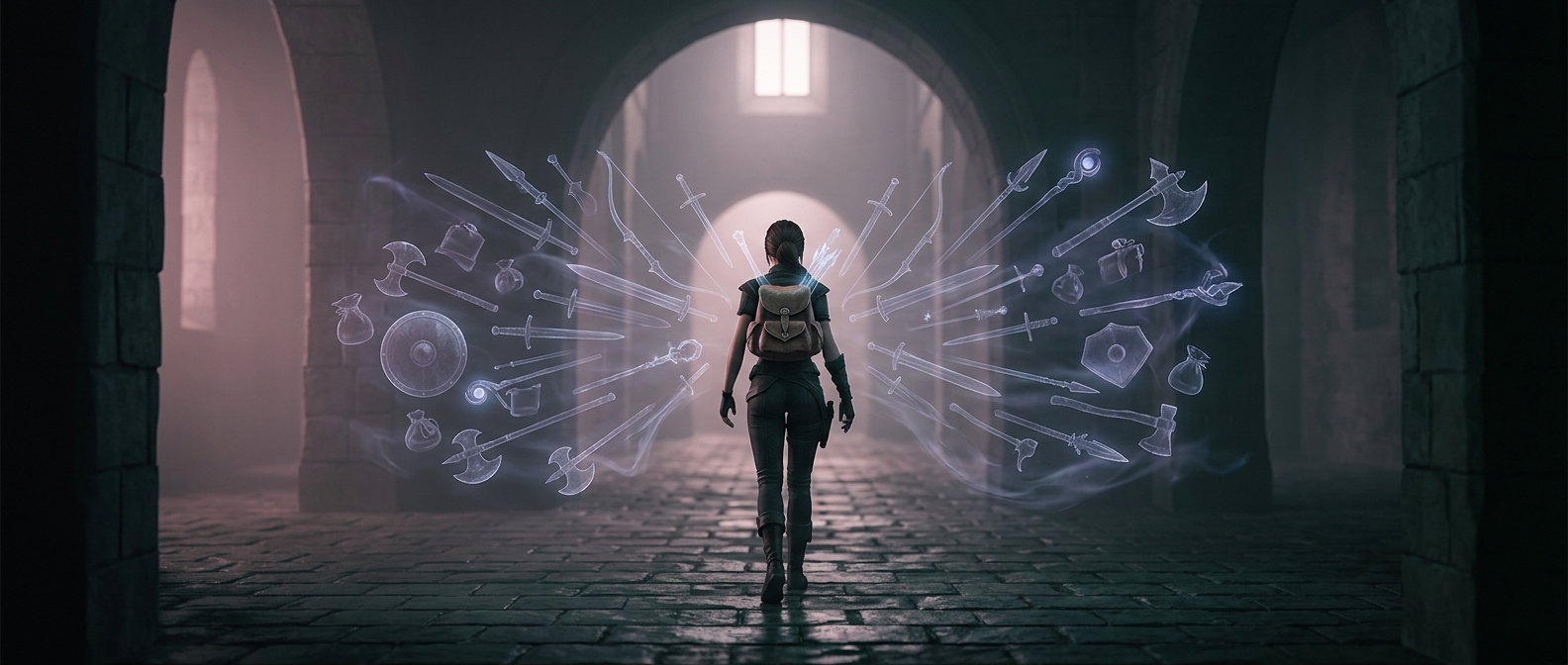
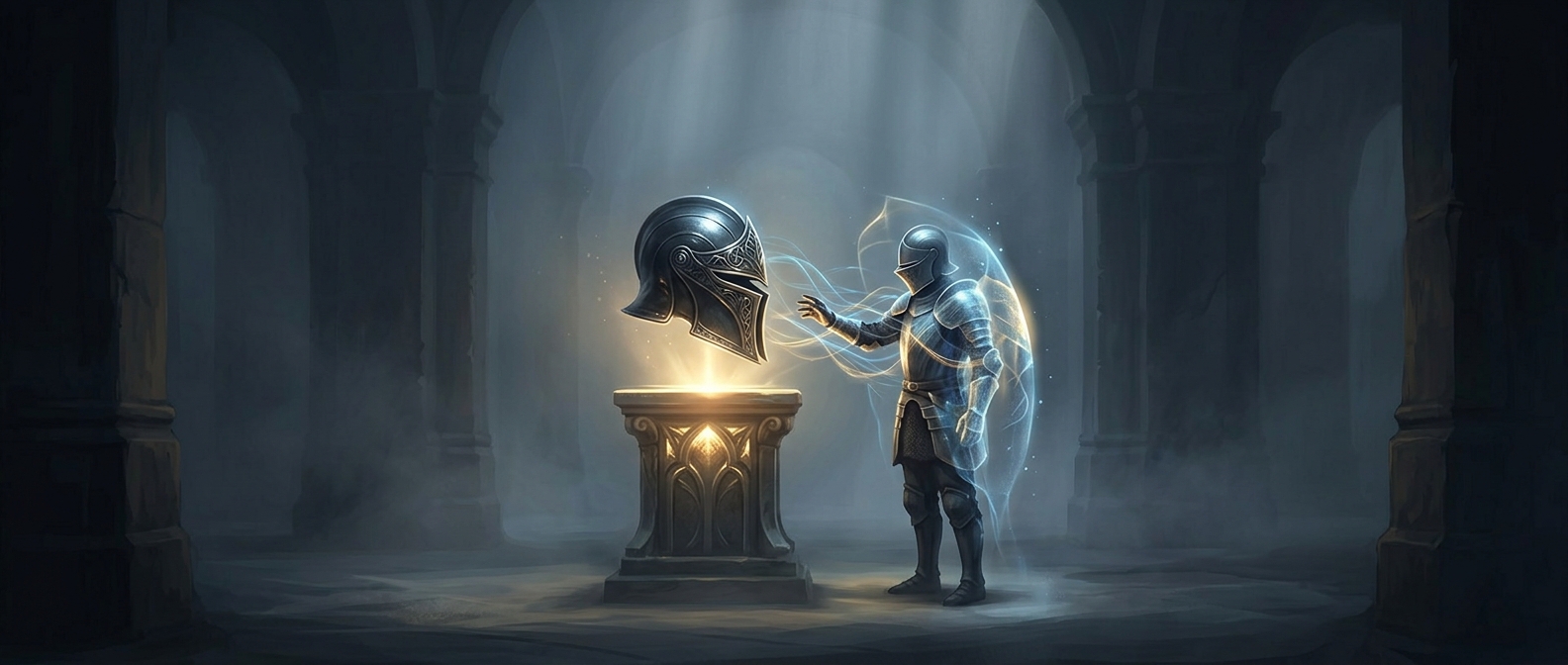
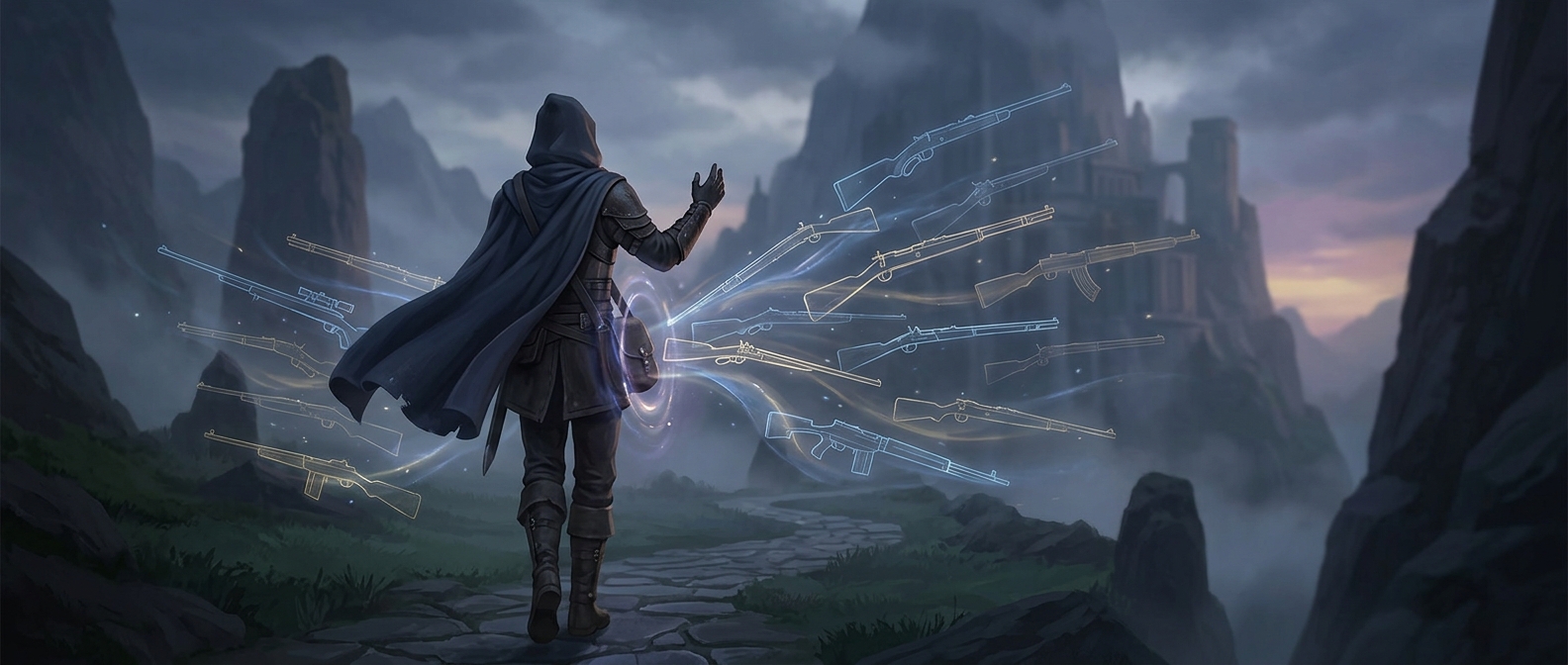
A character in tight clothing can carry an implausible amount of gear because most games treat inventory as a rule system, not a physical loadout. The visible model tells you what the hero looks like; the inventory tracks what the player can use. Unless carrying weight is itself part of the game, the two do not need to match item by item.
That separation removes a lot of bookkeeping. A game could make players account for a launcher’s bulk, ammunition’s weight, and where every object is strapped. But those details can slow down the main activity—exploring, fighting, or solving a problem—without making its central challenge more interesting.
What the abstraction buys designers
A simple inventory lets a player switch quickly from a sidearm to a rocket launcher, even if there is no believable place to store the launcher between shots. That supports fast combat and keeps the player focused on choosing what to use, rather than on managing a detailed pack. Ammunition counts work the same way: they make scarcity legible as a number, not as a pile of visible cartridges.
The rule also gives designers a convenient balancing tool. They can limit how many weapons or supplies a player may carry, or let the player keep a broad arsenal, without redesigning the character model and animation for every combination. The interface becomes the container; the fiction fills in the gap.
When carrying things becomes the game
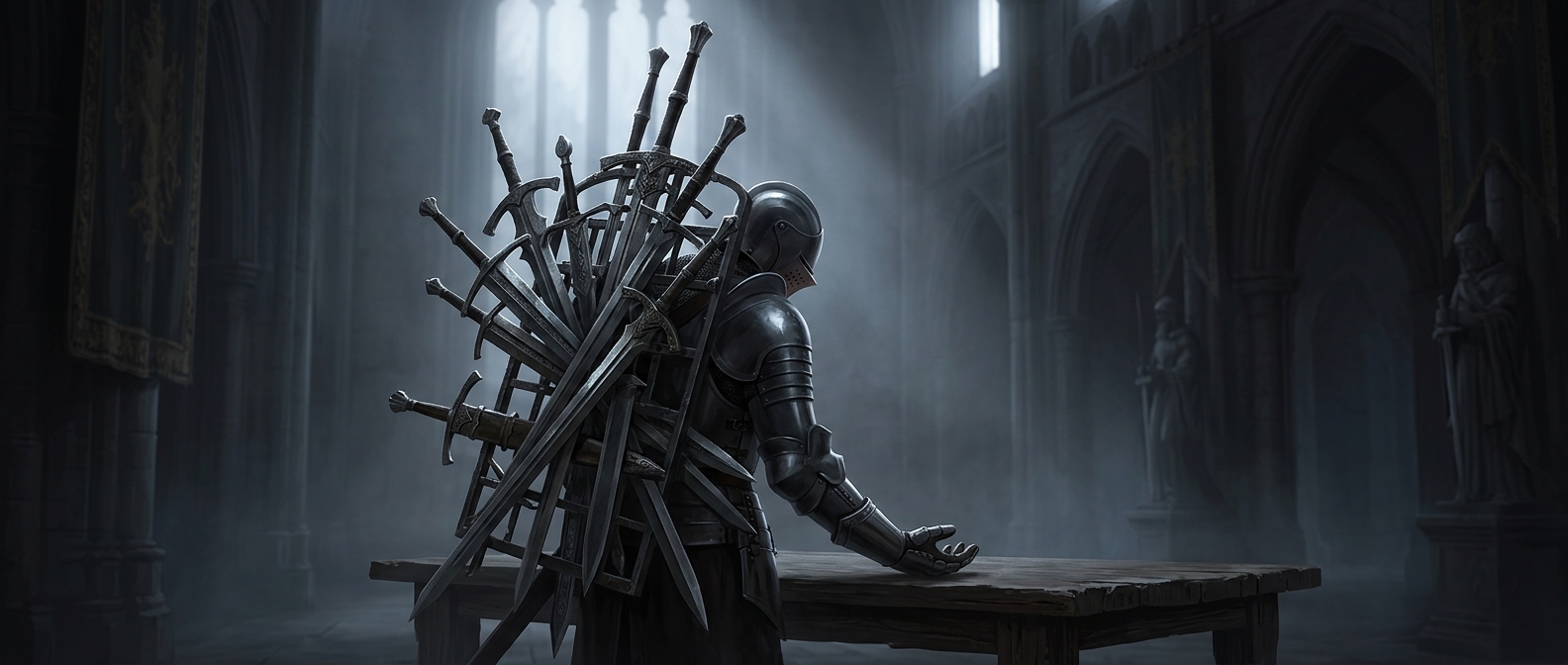
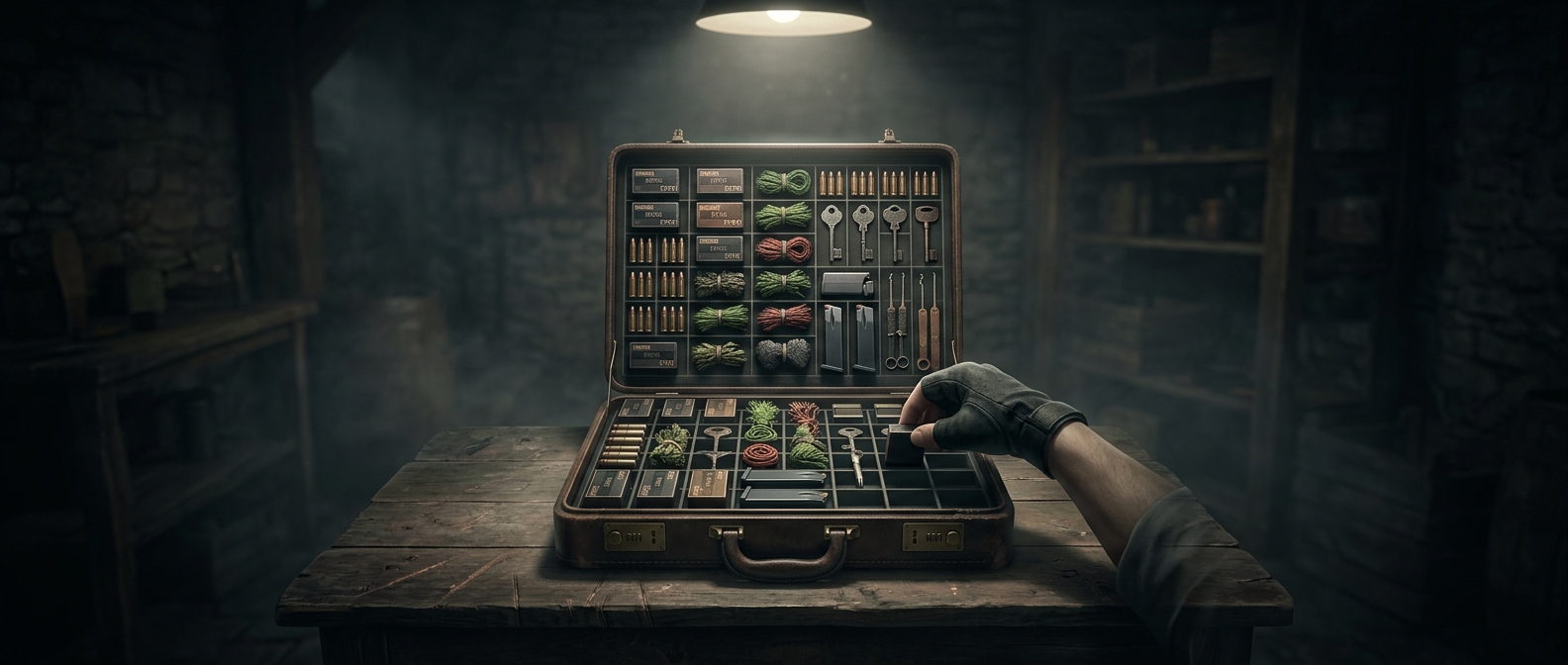
Some games deliberately make that gap smaller. Weight limits, limited slots, or visible equipment force players to choose what to bring and what to leave behind. Those systems turn logistics into a source of tension—but also add decisions and friction. In a fast action game, an invisible arsenal may be the better fit; in a survival game, making every item compete for space can be the point.
So the bottomless pocket is less a missing piece of costume design than a quiet promise about the game’s priorities: you can reach for the next weapon without first explaining where you put it.