Why a Match Needs Its Box
A safety match does not light just because its head is dragged across any rough surface. The match head and the strip on the box hold different ingredients, and friction helps bring them together in a controlled reaction.
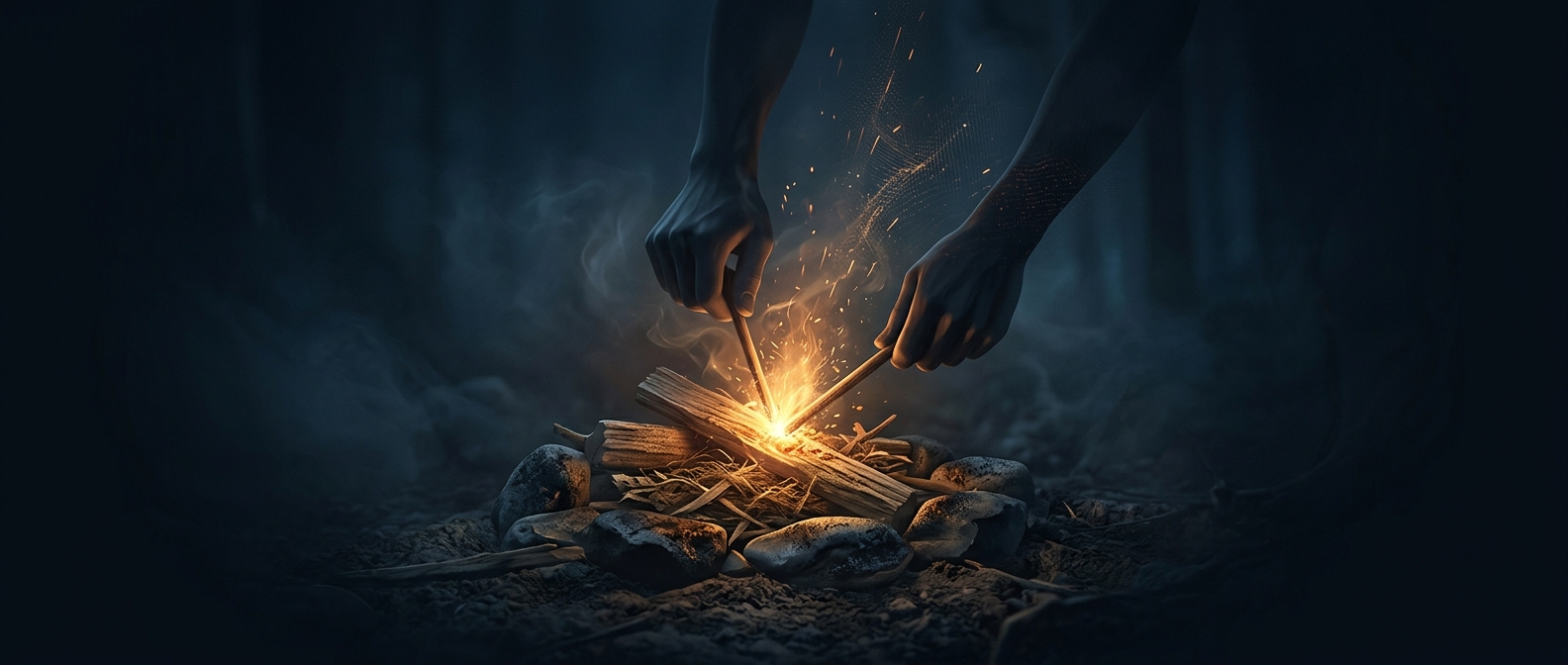
The red head contains fuel and an oxidizing ingredient—a substance that supplies oxygen for burning. The striking strip contains powdered glass or another abrasive to create friction, along with red phosphorus. Scraping the match produces heat and can dislodge tiny particles of phosphorus, which react with ingredients at the head. That reaction ignites the match’s fuel.
From Spark to Flame
Once the head catches, its heat lights the small wooden stem. The wood then burns more steadily, carrying the flame beyond the brief initial reaction. The rough strip’s job is not simply to make the match easier to grip: it supplies a key part of the ignition process while keeping the reactive ingredients separated during storage.
That separation is what makes a safety match safer than older designs that could ignite from friction against many surfaces. A match is therefore a small system with two coordinated parts: the box provides the starting conditions, and the head and stem turn that start into a usable flame.