The equinox axis creates the mirror
In astrology, a contra-antiscia pair is formed by reflecting two zodiac positions across the Aries–Libra axis, the line associated with the equinoxes. The paired positions are not necessarily opposite signs: a point in early Aries, for example, pairs with a point in late Pisces. The pairing depends on their degree within the zodiac, not on whether the signs share an element or quality.
The name can be confusing because it refers to a different mirror relationship from ordinary antiscia. Astrologers describe contra-antiscia points as rising at opposite times, contrasting them with antiscia pairs, which are said to rise together. This is a traditional astrological correspondence, not a claim that the two chart positions literally affect each other in the sky.
Why astrologers read the pair as a disconnect
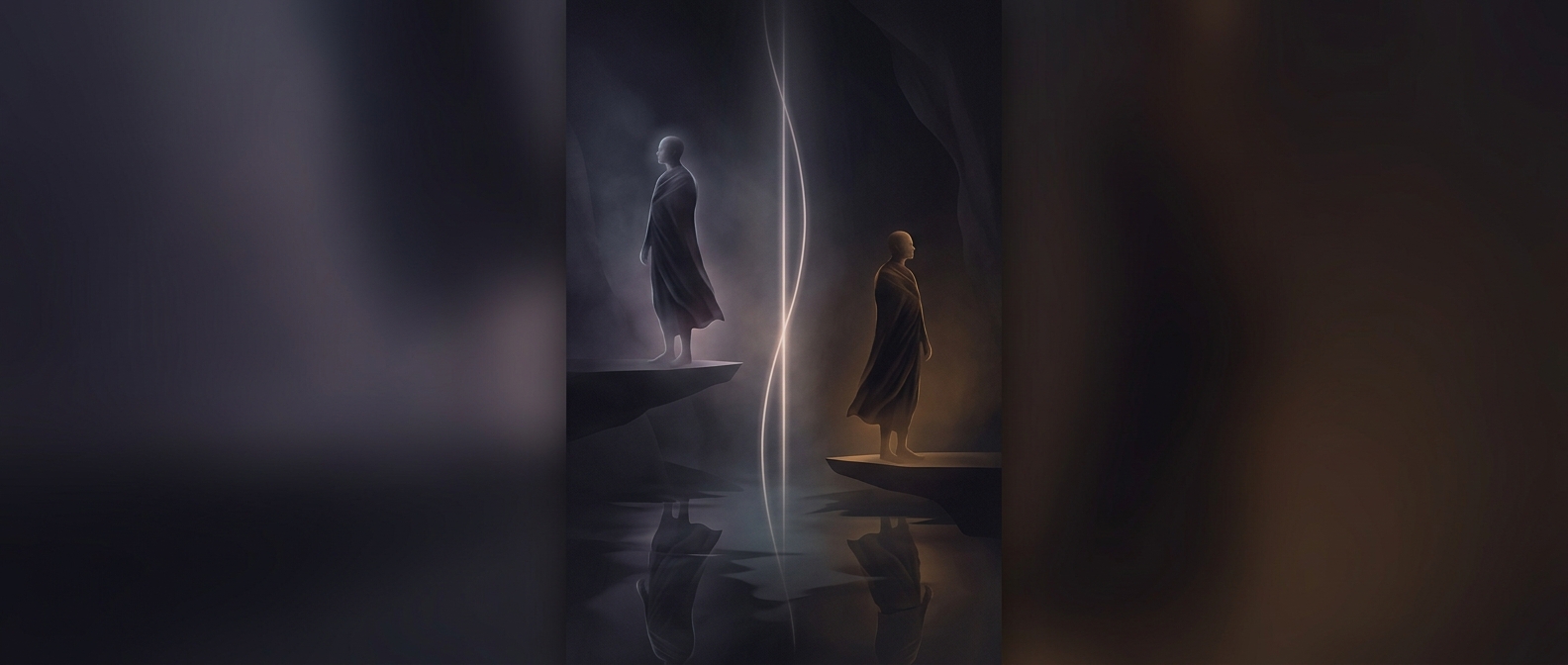
The interpretation turns that contrast into a symbolic one: two parts of a chart linked by contra-antiscia may be present in the same person but fail to coordinate easily. One placement might describe an impulse or need that does not line up smoothly with the qualities represented by the other. The relationship is therefore read less as a natural alliance than as a subtle mismatch.
That does not mean astrologers treat the pair as a guaranteed conflict or a complete description of someone. Its meaning depends on the planets and chart factors involved. The useful image is more specific: two points are geometrically connected, yet their traditional rising-time relationship suggests that they do not meet in step.