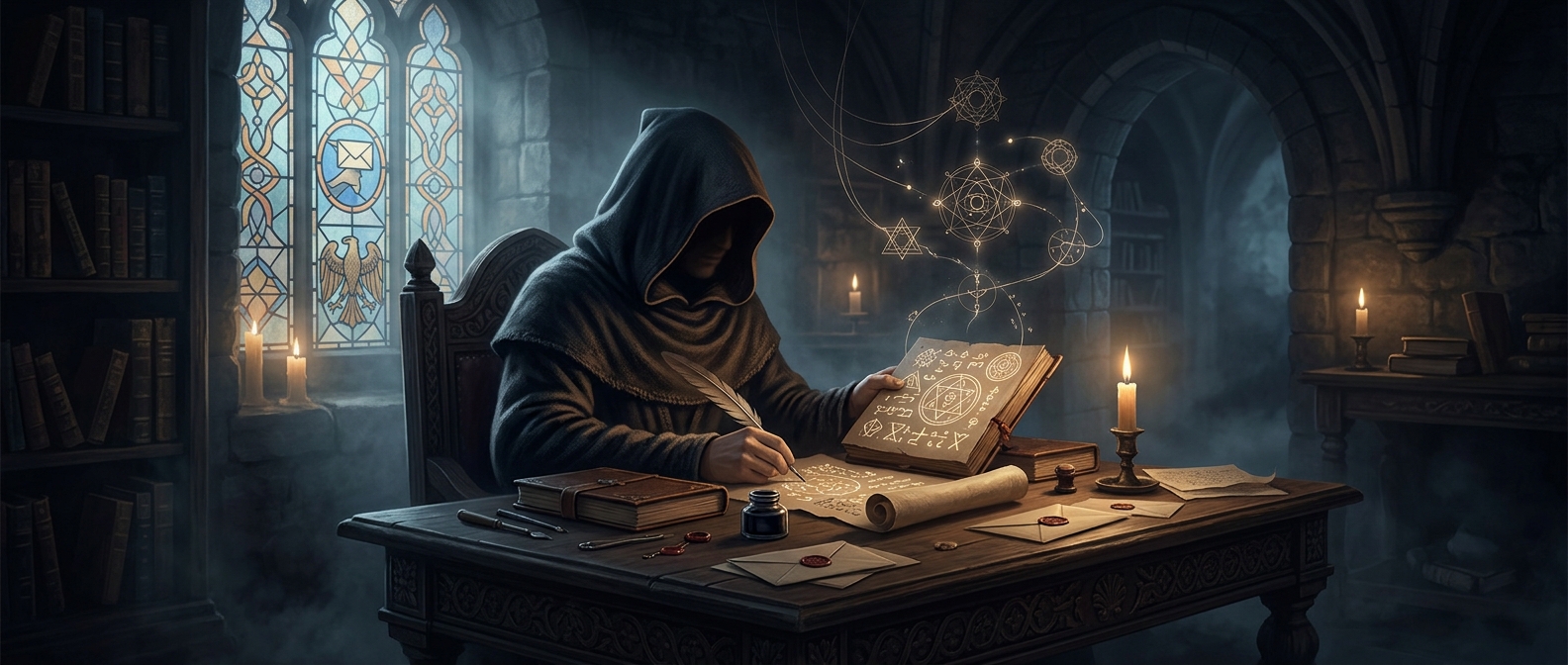
Stonework gave a social club an ancient-looking language
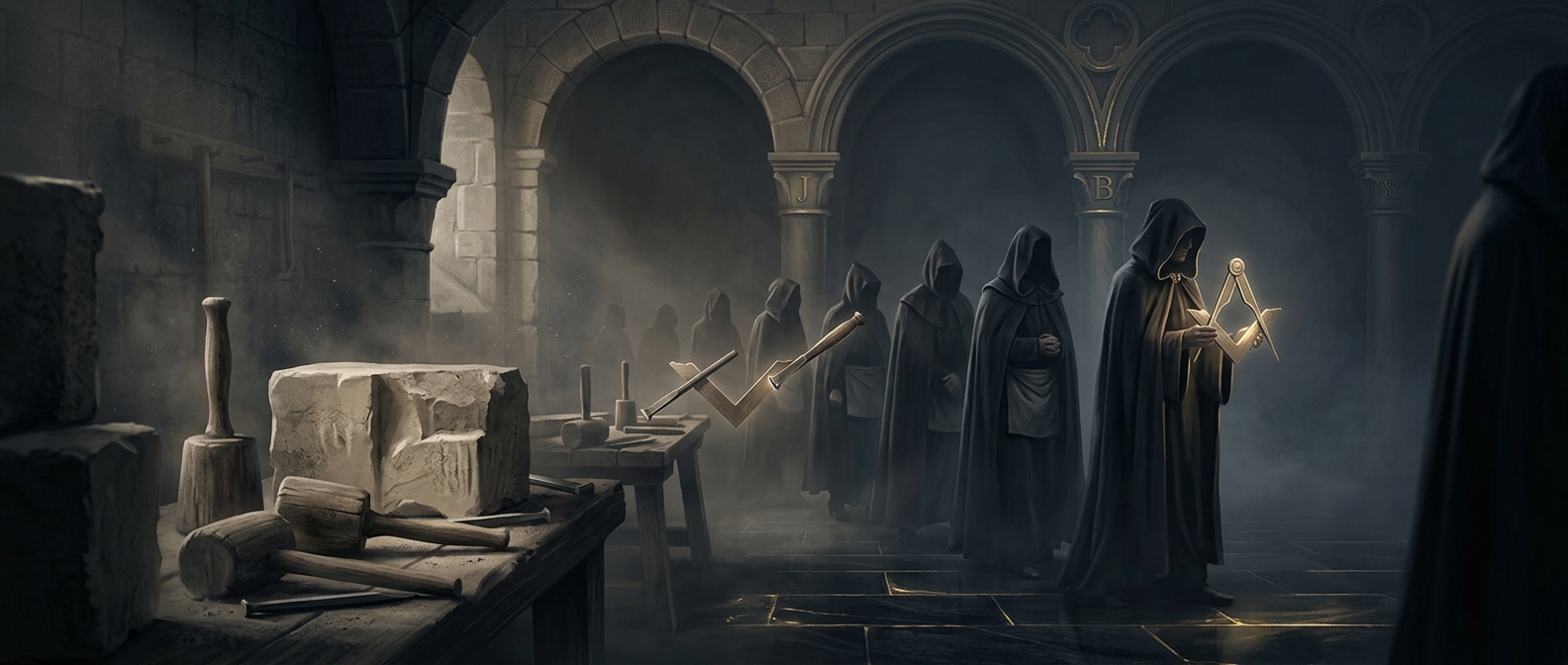
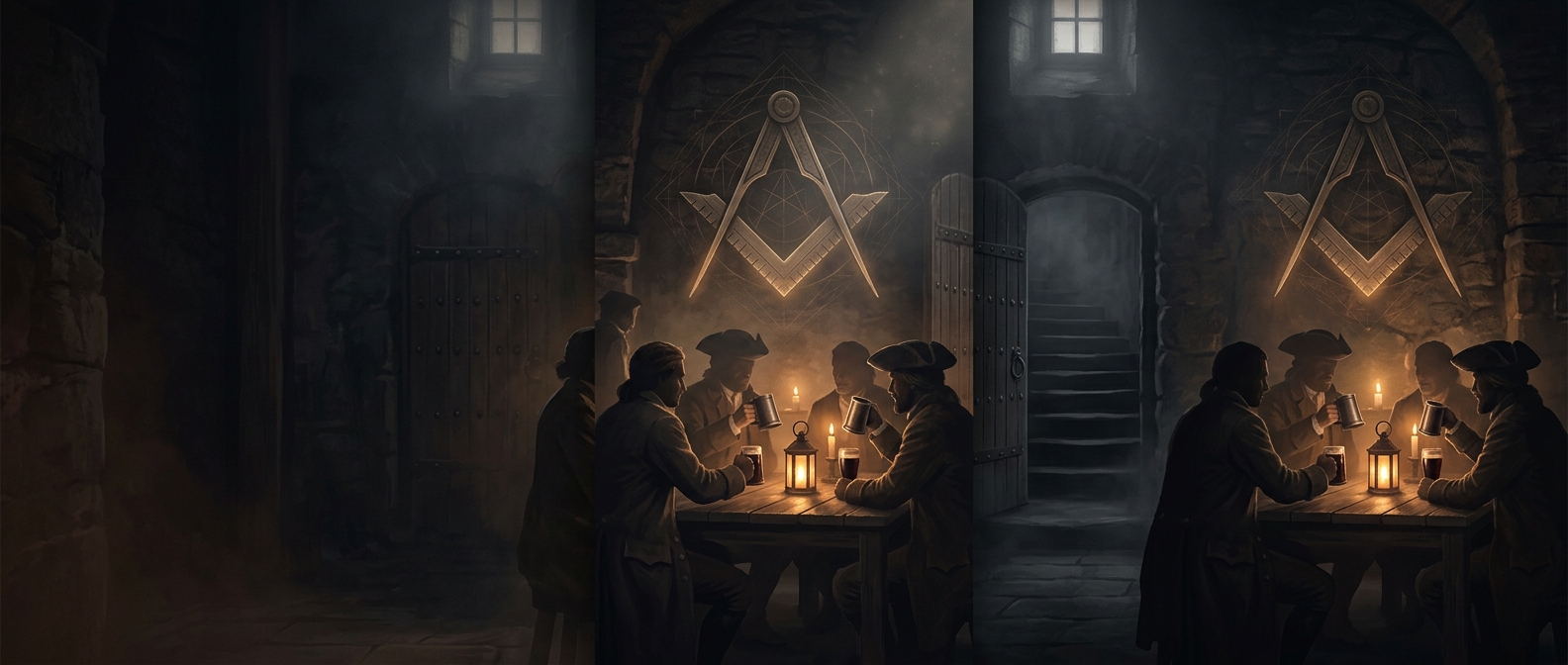
As freemasonry developed beyond working stonemasons’ trade associations, its members kept the craft’s vocabulary and imagery. The lodge became a symbolic building site; tools such as the square and compass could stand for moral conduct. That borrowed language made the organization feel connected to an old, respected craft, even when members were not themselves stoneworkers.
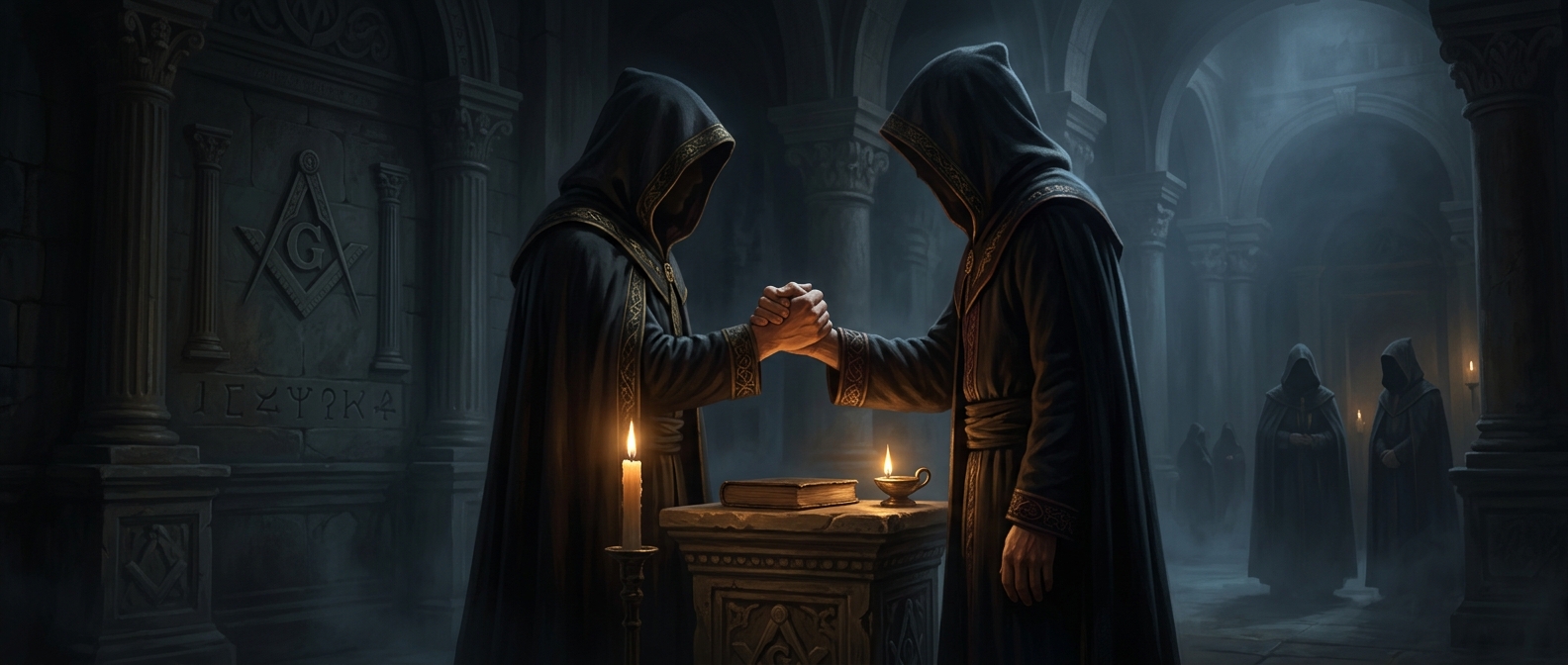
The symbolism also gave members a shared script. Rituals and signs offered a way to recognize fellow Masons, while the language of the craft marked the group as distinct from an ordinary gathering. Such signals could help establish familiarity—and a basis for business connections—among men who might otherwise be strangers.
Ritual and drink made fellowship tangible
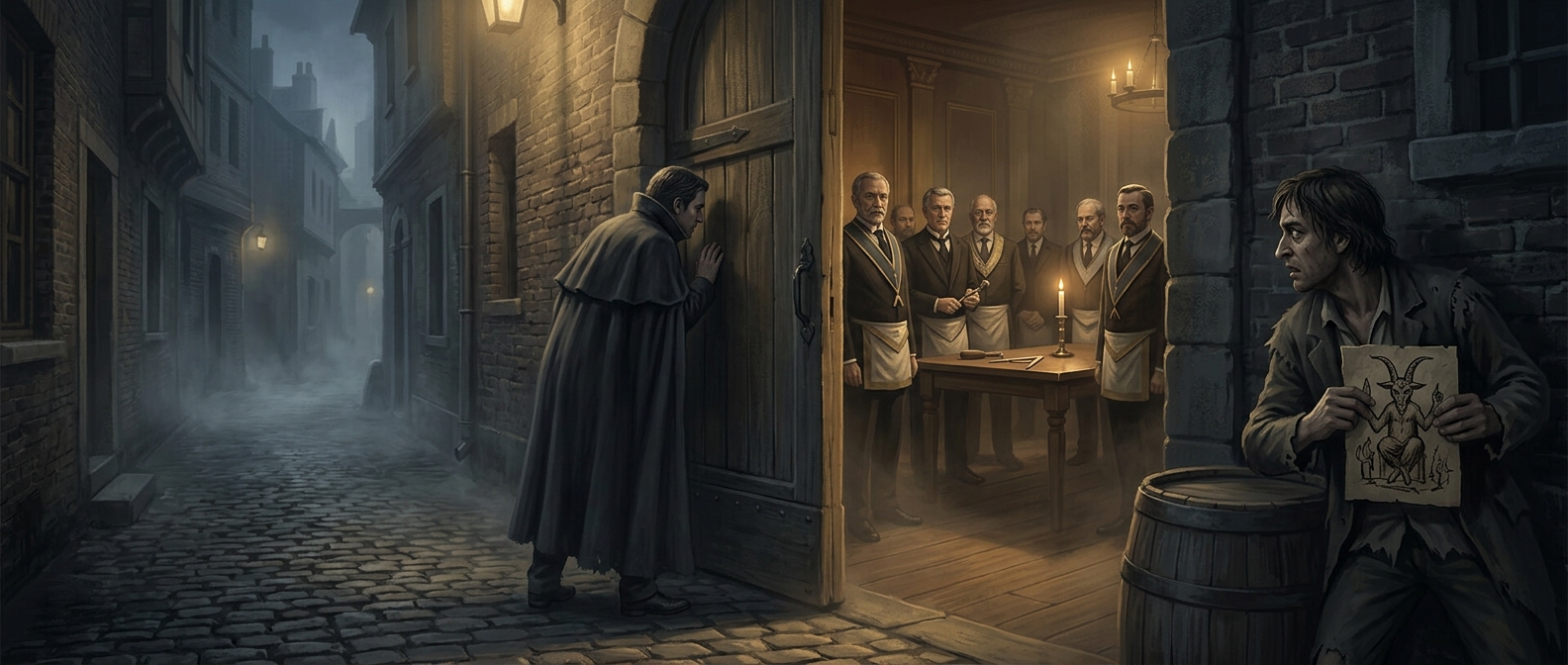
The lodge was not only a collection of symbols. Members met in person, took part in ceremonies, and socialized over meals and drink. In a period when many public associations were organized around men, a lodge offered a regular setting for conversation and companionship outside the household. Networking and conviviality could therefore coexist with the club’s elaborate claims of tradition.
That combination helps explain the appeal of the architectural metaphors: they made ordinary social ties feel like membership in something older and more consequential. The grand ritual supplied the atmosphere; the handshake and the shared table helped turn it into a usable network. The contrast is part of the story: lofty talk of building and moral order could accompany the very practical pleasures of meeting friends, doing business, and staying out for a drink.