How a secretive fraternity became a satanic target
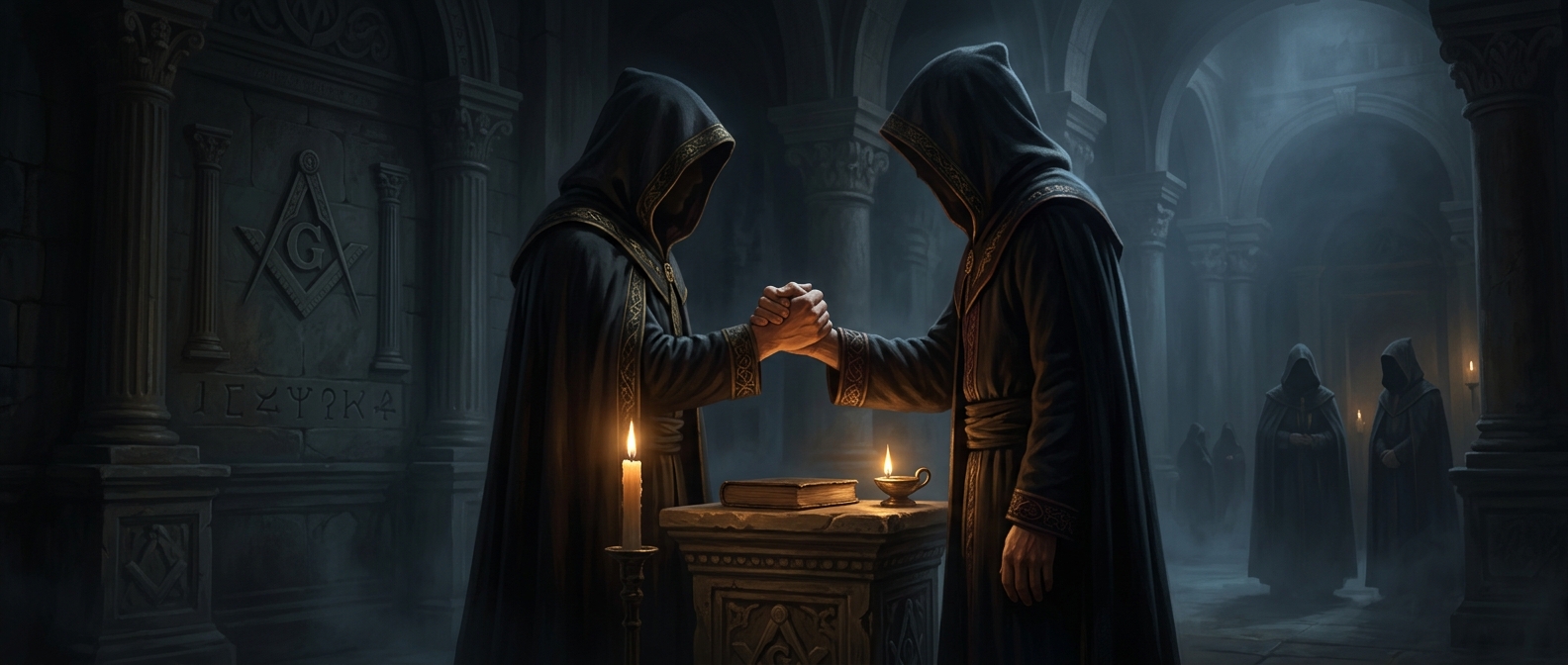
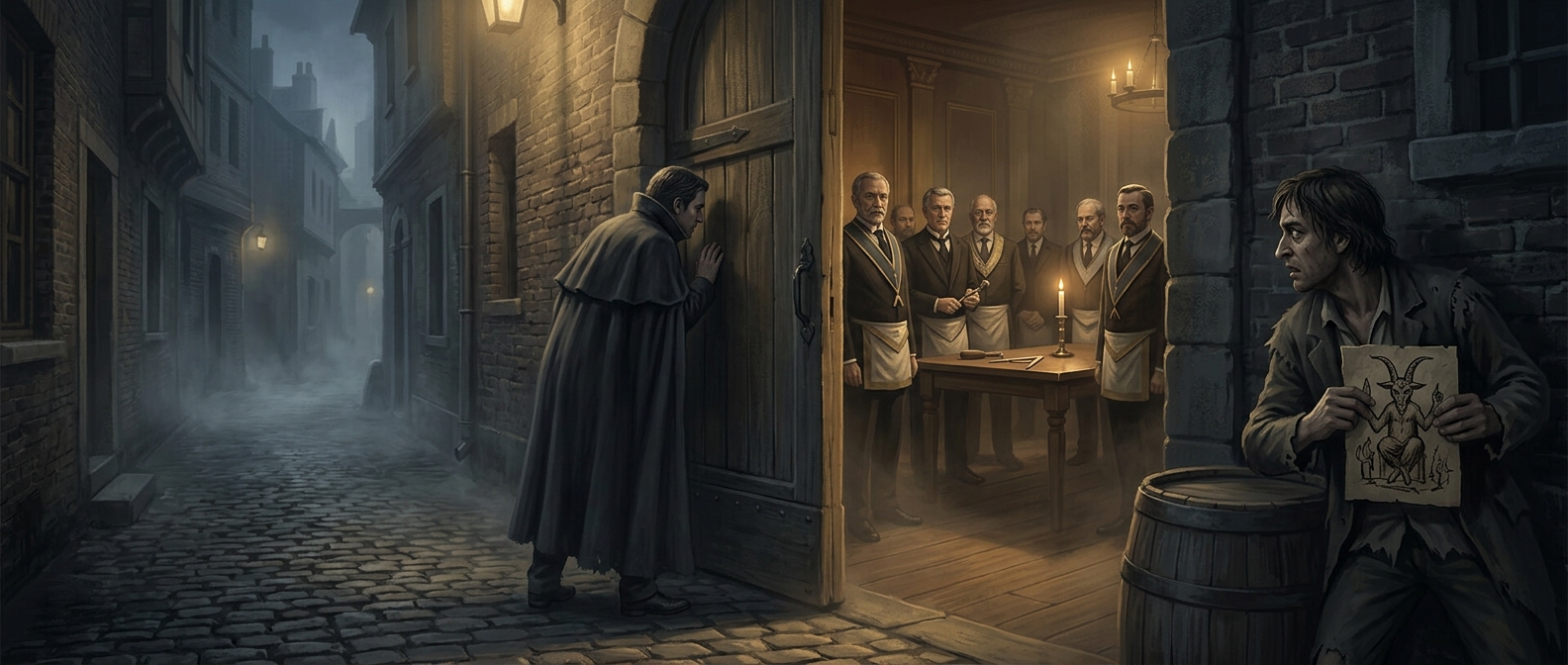
Freemasonry is a fraternal organization whose members meet in local lodges and use rituals and symbols. Because many of those proceedings were private, outsiders could fill gaps in their knowledge with suspicion. In the 19th century, anti-Masonic propagandists turned that suspicion into a lurid accusation: Masons were satanic and even rode a goat associated with Baphomet.
Baphomet was already a potent name in religious and occult imagery, and later depictions made the figure goat-headed. Linking that image to Masonic secrecy gave the rumor a vivid prop: a supposed hidden ceremony was easier to imagine—and repeat—when it involved an animal and a recognizable symbol.
When lodges turned the rumor into a joke
Some lodges later played along by using taxidermy goats. The gesture flipped the accusation into theater: instead of treating the story as a dangerous secret, members could stage its most ridiculous image themselves. A mounted goat was a joke precisely because the rumor had made the animal seem like evidence.
That response also shows how a conspiracy story can outlast the argument that produced it. The goat was not proof of a Masonic rite; it was a memorable piece of anti-Masonic storytelling that some Masons eventually reclaimed as a prop.